
Garmin launches Cirqa, a minimalist, screenless fitness tracker offering free health data, but mixed performance and software issues raise questions over its readiness to disrupt subscription-based wearables.
Garmin’s Cirqa arrives as a screenless fitness tracker pitched at users who want health data without a monthly bill. Priced at $199, it sits in a growing category of minimalist wearables that compete on battery life, comfort and recovery metrics rather than smartwatch features. Tom’s Guide notes that the device is one of the more data-rich options available without subscription charges, while still remaining cheaper than some premium rivals that lock key features behind paid plans.
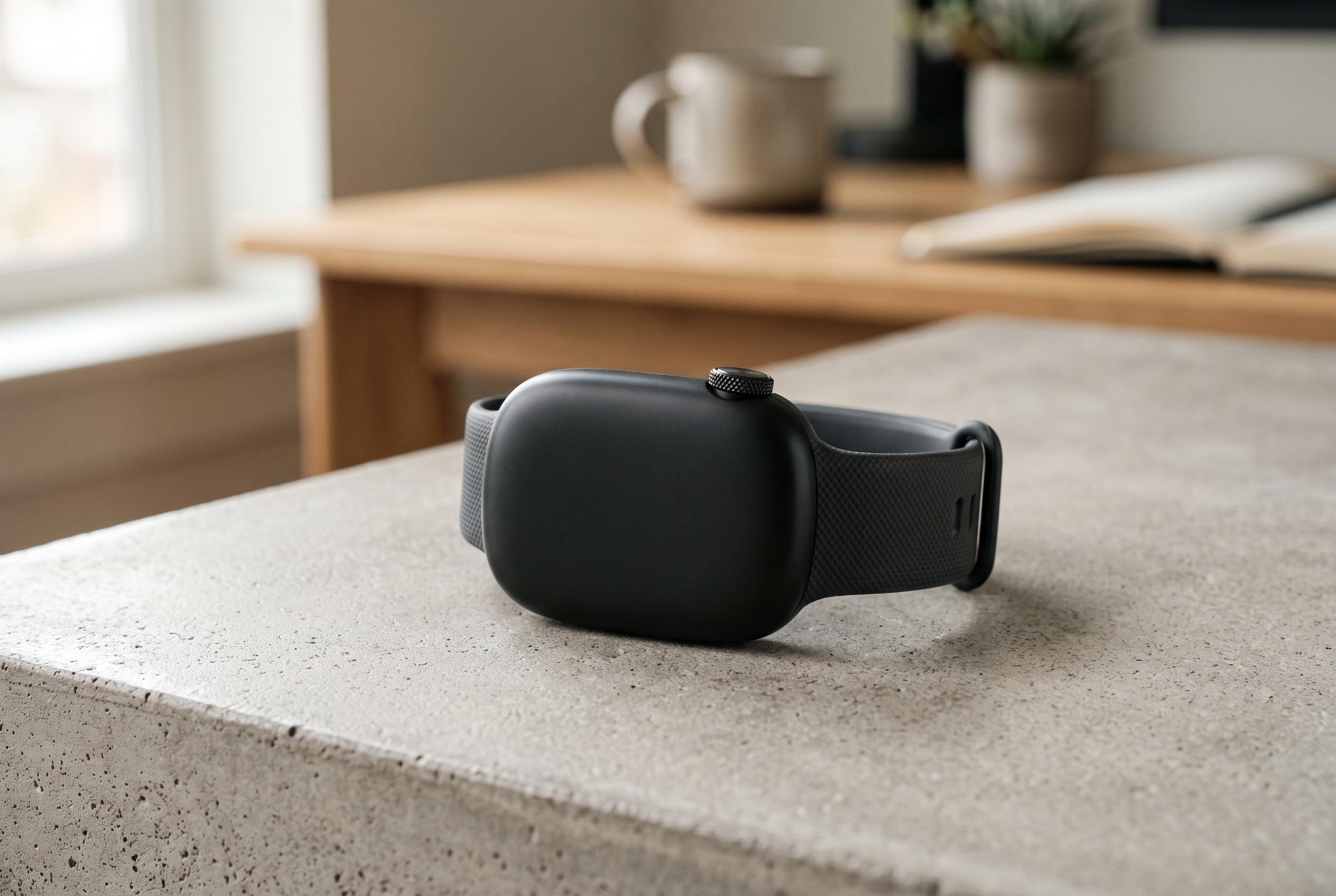
The hardware is deliberately spare. Garmin supplies a small pod, a strap and optional band arrangements, with wearability on the wrist, bicep or arm. That flexibility is useful, but it also introduces compromises: positioning can affect comfort and measurement quality. The device uses Garmin’s Gen 4 optical heart-rate sensor and supports skin-temperature readings, sleep tracking and a broad set of activity profiles, but it does not include advanced capabilities such as ECG. Tom’s Guide says that, in a market crowded with subscription-driven products, the Cirqa’s value proposition is its breadth of free data rather than its finish.
In practice, performance appears mixed. DC Rainmaker’s review, as summarised by Geeky Gadgets, says the tracker handles steady exercise and sleep fairly well, and supports more than 80 workout types. Yet it can struggle with interval sessions, cold-weather use and automatic activity recognition, especially for cycling. Android Central’s comparison with the Pixel Watch 5 and Galaxy Watch 9 found the Cirqa generally strong on heart-rate consistency and step counting, although GPS performance depended on phone connection and was less precise than Samsung’s during a 5K test.
Battery life is another area where the specification sheet and real-world use do not fully match. Garmin advertises about 10 days, but reports cited by Geeky Gadgets suggest results can vary from roughly four to 10 days, with some heavy-use days draining the battery sharply. That inconsistency matters because the Cirqa is intended to be worn continuously. Tom’s Guide also places it against other screenless devices with longer quoted endurance, including Whoop 5.0 at around 14 days, although that product requires a subscription.
Software has also complicated the launch. Reviewers have reported bugs and stability issues affecting both the app and the device itself, even as Garmin continues to issue updates. That leaves the Cirqa in an awkward position: its underlying idea is attractive, and it may suit existing Garmin users who want a lighter companion to a watch, but it is not yet the most polished choice for buyers who need dependable all-day tracking with few compromises. For now, it looks more promising than finished.
Disclaimer: This content is intended for informational purposes only. Readers are advised to exercise their own judgement, conduct due diligence, or consult a qualified expert before acting on any information provided.