
Garmin’s flagship Edge 1050 bike computer boasts a stunning new display and quicker response, yet its hefty price and reduced battery life may challenge some riders’ priorities in this latest upgrade.
Garmin’s Edge 1050 is the company’s flagship bike computer, and it is easy to see why it has become the reference point for riders who want the fullest possible set of navigation, training and safety tools. Reviewers across the cycling press have consistently described it as a premium, feature-rich device with a display and interface that feel markedly more polished than previous generations. The trade-off is simple: it costs a lot, and it is larger and heavier than many rivals, but for riders who want Garmin’s most complete head unit, it makes a strong case.
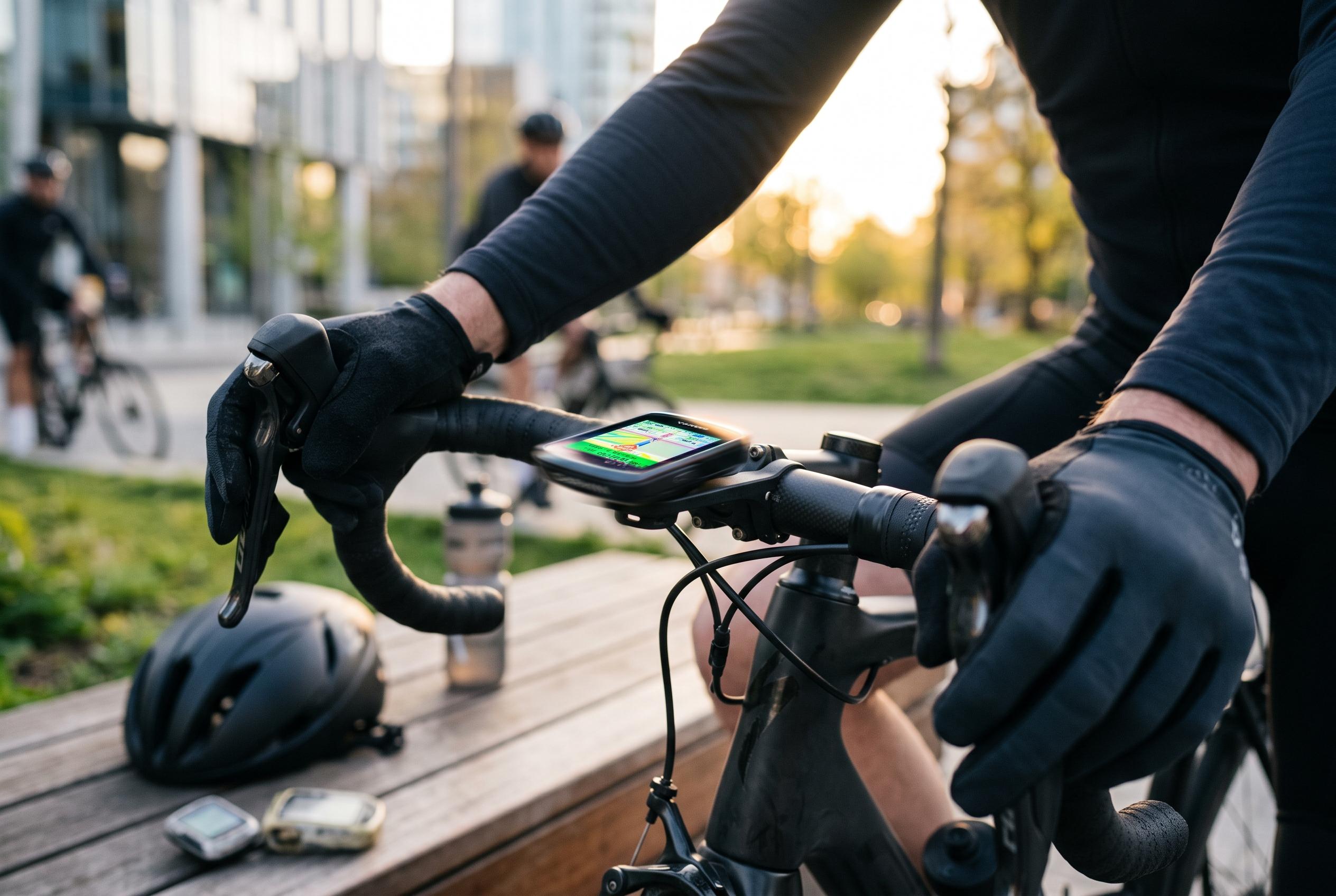
The most obvious change is the screen. BikeRadar and OutdoorGearLab both highlight the 3.5-inch display as the Edge 1050’s defining upgrade, while Garmin’s own launch placed emphasis on it as the company’s brightest and smartest unit to date. The screen is sharper, more vivid and more responsive than the one on the Edge 1040, and that makes a practical difference when scrolling through data fields, zooming on maps or checking prompts while riding. A few reviewers note that the display can be somewhat reflective in certain light, but the overall impression is of a major step forward in readability and touch performance.
That improved responsiveness is not just a matter of aesthetics. BikeRadar says the new processor helps the interface feel quicker and more modern, closer to a smartphone than the more conventional bike-GPS feel of earlier Edge models. Garmin has also reworked the layout of menus and cards, making the device easier to navigate even though the underlying feature set remains vast. Some testers found the mapping tools a little fiddly on the device itself, and the altered interface may not suit every mount or every riding position, but the general verdict is that the 1050 is more fluid to use than its predecessor.
Navigation remains one of the 1050’s strongest arguments. Reviewers praise its turn-by-turn directions, quick route calculation and ClimbPro ascent planning, with its multi-band satellite support helping it maintain accurate positioning in demanding environments. The device also adds newer connected-ride features, including GroupRide functions and hazard alerts, although their real-world value depends on how widely other riders use them. Some reports say the hazard system is most useful where riders contribute actively to the network, which means it can be more effective in some regions than others.
Garmin has also made a point of extending the 1050 beyond standard navigation. The built-in speaker enables spoken prompts and an audible bell, which reviewers see as a genuinely new convenience rather than a cosmetic flourish. Garmin’s announcement also highlighted Garmin Pay, allowing contactless payment from the device, and a replaceable quarter-turn mount. Those features do not change the core riding experience, but they reinforce the sense that Garmin is pushing the Edge line towards a more self-contained cycling platform rather than a simple data display.
Battery life is the one area where the 1050 is clearly less ambitious than the Edge 1040 Solar. Garmin’s move away from solar charging and the demands of the brighter screen mean the newer model cannot match the old one for endurance. That is a meaningful point for ultra-distance riders, and several reviewers suggest that the 1040 remains the better choice for those who prize battery autonomy above all else. For most road riders, though, the 1050’s quoted run time is still ample for long club rides, sportive days and most training blocks, especially if charging access is easy.
Value is therefore the real question. The Edge 1050 is expensive, and its best qualities are concentrated in presentation, speed and polish rather than in a fundamentally different feature set. Several reviews conclude that riders who already own an Edge 1040 may not need to upgrade unless they specifically want the brighter screen, the faster interface and the speaker-driven extras. For new buyers, however, the 1050 is widely seen as Garmin’s most complete bike computer yet: large, expensive, technically impressive and, for the right rider, thoroughly persuasive.
Disclaimer: This content is intended for informational purposes only. Readers are advised to exercise their own judgement, conduct due diligence, or consult a qualified expert before acting on any information provided.