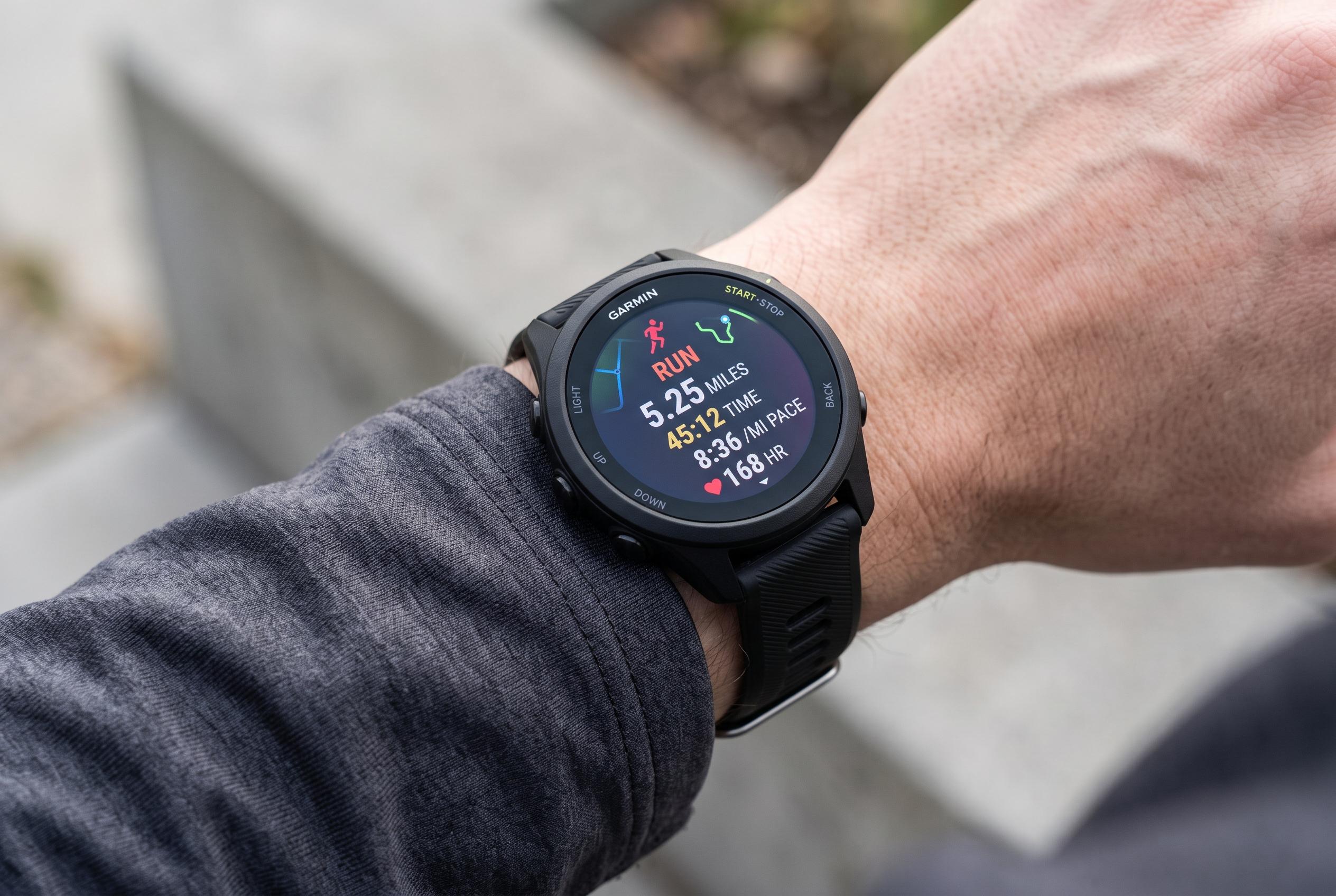

Garmin’s Forerunner 70 emerges as a budget-friendly, stripped-back running watch boasting extensive training features and a modern AMOLED display, appealing to serious runners seeking essential data without premium extras.
Garmin’s Forerunner 70 is shaping up as a stripped-back running watch aimed at people who want serious training data without paying for top-tier extras. Reviews published by Tom’s Guide, TechRadar and Runner’s World paint a consistent picture: this is a light, comfortable device with an AMOLED display, a modern Garmin interface and enough coaching features to satisfy most runners, even if it stops well short of being a full multisport flagship.
The appeal is in the balance. At $249.99, according to TechRadar, the watch undercuts Garmin’s higher-end Forerunner range while still offering tools such as Training Readiness, VO2 max estimates, Garmin Run Coach and daily workout suggestions. Runner’s World says it was launched in May 2026 with a 1.2-inch AMOLED screen, while Garmin-focused coverage notes a 43mm case, 40g weight and 5 ATM water resistance. That combination makes it easy to wear all day, and the battery life figures cited by Tom’s Guide and other reviewers are solid, with up to 13 days in smartwatch mode and roughly 16 to 23 hours with GPS use.
Performance-wise, the watch appears strongest where Garmin has pitched it: running and indoor cardio. The Quantified Scientist’s testing, as summarised by Geeky Gadgets, found heart-rate correlation of 0.99 for running and 0.98 for indoor cycling, which suggests dependable data for steady training. Accuracy fell away in outdoor cycling and weightlifting, however, which means athletes who split their time across multiple disciplines may still want a chest strap or a more advanced model. GPS performance is described as reliable rather than cutting-edge, helped by multi-GNSS support, but without the multi-band GPS found on pricier Garmins.
The Forerunner 70 also leans into recovery and training insight. Reviews point to sleep tracking, Training Load, morning and evening reports, smart alarms and access to Garmin’s Connect IQ ecosystem. Yet this is still an entry-level watch in Garmin terms, and the omissions are telling: there is no onboard music storage, no contactless payments, no altimeter and no open-water swim support. For runners who want a straightforward training companion, that may be a sensible trade-off. For anyone wanting navigation, triathlon functions or broader outdoor versatility, the more expensive Forerunner models remain the better fit.
Disclaimer: This content is intended for informational purposes only. Readers are advised to exercise their own judgement, conduct due diligence, or consult a qualified expert before acting on any information provided.