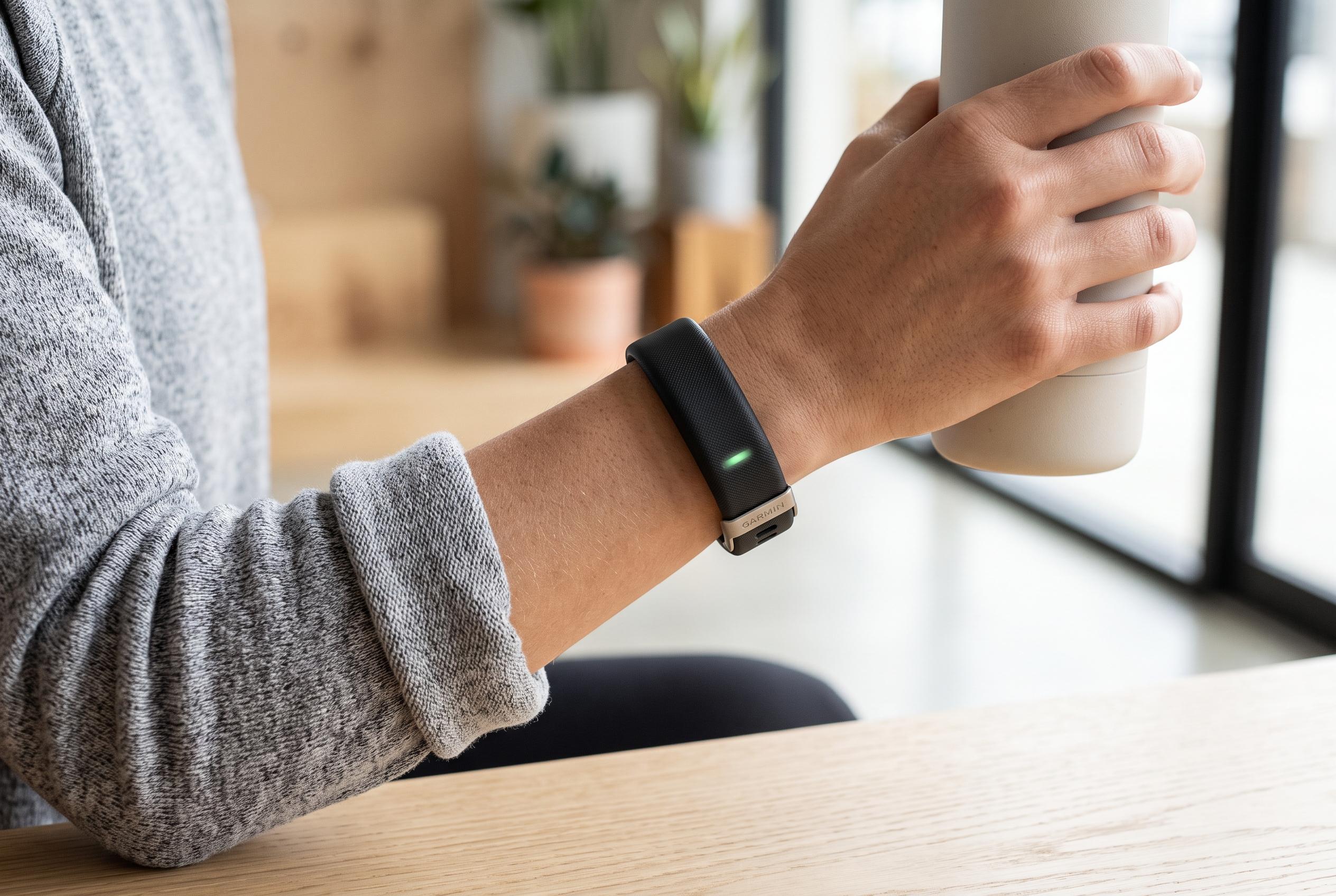

Garmin enters the crowded market of screenless health trackers with the Cirqa, offering detailed metrics, long battery life, and seamless integration without ongoing subscription costs, aiming to disrupt the niche dominated by rivals like Oura and Fitbit.
Garmin’s Cirqa enters a crowded corner of the wearables market with a simple pitch: a screenless tracker for people who want health data without a smartwatch on the wrist. Tom’s Guide says the device is priced at $199 and is aimed at the same audience that has been drawn to screen-free rivals such as the Whoop 5.0, the Oura Ring 5 and Fitbit’s own tracker. The appeal is clear. It promises detailed monitoring, long battery life and a lighter mental load than a constant stream of notifications.
The strongest argument for the Cirqa is Garmin’s software. Tom’s Guide says the device works through Garmin Connect, which gives users access to a broad set of metrics without a separate subscription. That matters because competing services often lock key features behind monthly fees. The publication notes that the Fitbit Air’s Gemini-powered coaching costs $9.99 a month, while Oura’s app requires $5.99 a month. For users already inside Garmin’s ecosystem, the Cirqa also sits neatly alongside other devices, allowing data such as Body Battery and sleep to remain visible even when a main watch is not being worn.
A second advantage is physical control. Unlike some screenless devices that rely heavily on auto-detection, the Cirqa includes a side button for starting and stopping timed activity. According to Tom’s Guide, Garmin presented that choice as part of its design philosophy, arguing that users should be able to record exercise immediately rather than waiting for the tracker to recognise movement on its own. The button can also be configured in the app to launch a preferred workout type.
Tom’s Guide also reports that the Cirqa performs well in health tracking, particularly for heart rate. Its resident testing suggested the readings were close to those from a chest strap, which remains the more precise standard, and the device also measures skin temperature. That opens the door to women’s health features, including compatibility with Natural Cycles for fertility, postpartum and perimenopause tracking. In earlier comparisons, Tom’s Guide found the Cirqa’s sleep insights broadly similar to the Oura Ring 5, although Oura recorded slightly longer awake periods.
The drawbacks are more practical than technical. Tom’s Guide says the strap can feel bulky, especially on smaller wrists, and the fabric band can stay wet for too long after exercise or a shower. Price is another sticking point: at $199, the Cirqa costs more than Fitbit Air, although it avoids an ongoing subscription model. There is also no built-in GPS, so runners and walkers still need a phone for route mapping. Tom’s Guide notes that this is less of a knock against Garmin than it first appears, since the current crop of screenless trackers generally lacks onboard satellite tracking. For readers who want a discreet, subscription-free device with serious training and wellness features, the Cirqa looks well judged. For those who value comfort or standalone mapping, it is less convincing.
Disclaimer: This content is intended for informational purposes only. Readers are advised to exercise their own judgement, conduct due diligence, or consult a qualified expert before acting on any information provided.