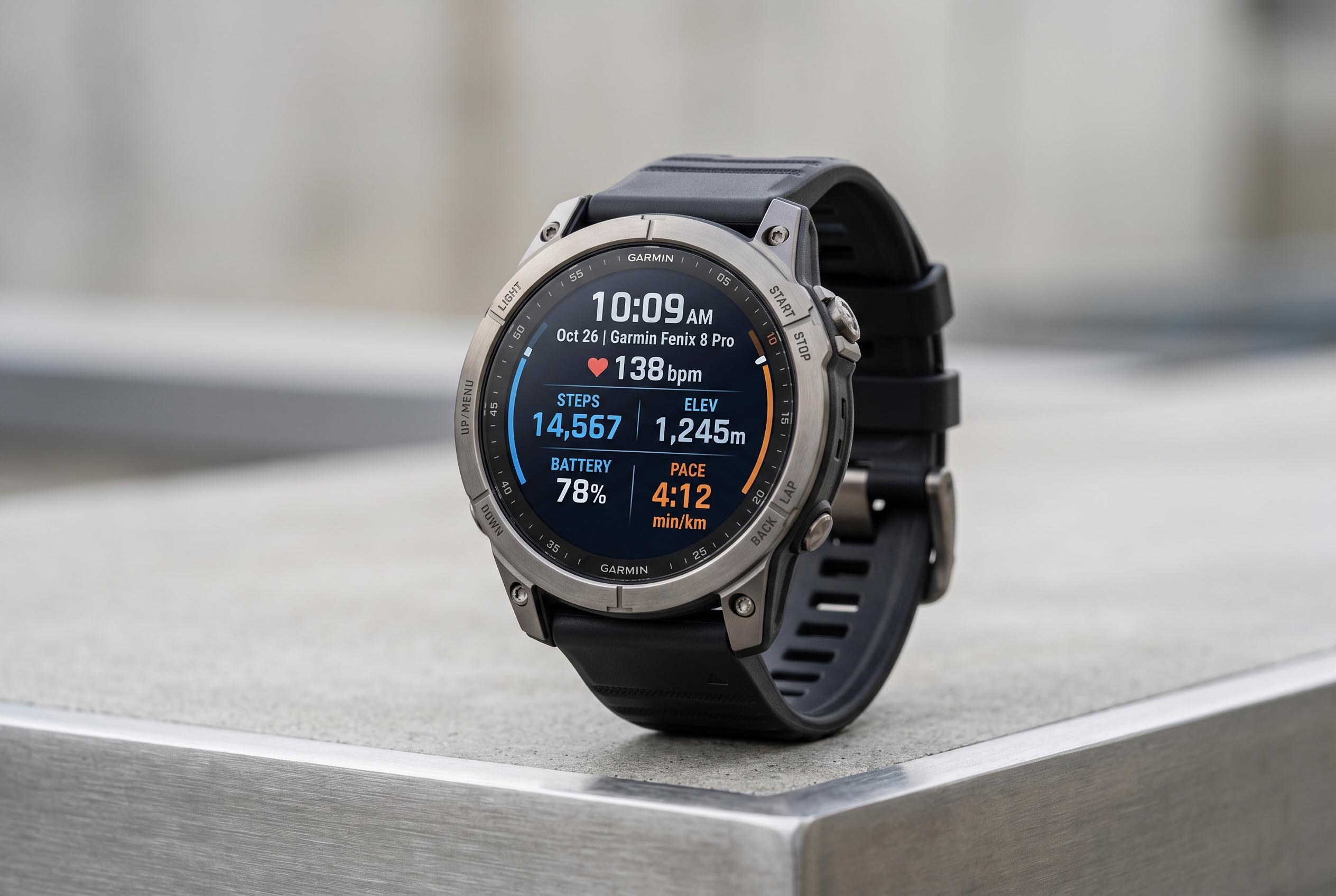

Garmin’s new Fenix 8 Pro features a microLED display with over 400,000 LEDs, delivering unprecedented brightness and readability in a rugged multisport smartwatch, but at a premium price and increased power consumption.
Garmin’s Fenix 8 Pro microLED is a statement product in every sense: a rugged multisport smartwatch built around a 51mm titanium case, sapphire crystal and a display that TechRadar says uses more than 400,000 individual LEDs to reach 4,500 nits of peak brightness. That makes it brighter than competing premium watches such as Apple’s Ultra line and, in practical use, far easier to read in direct sunlight, at odd angles and while moving through difficult terrain.
The appeal is not limited to the screen. Garmin has packed in the company’s usual depth of training, health and outdoor functions, including sleep tracking, activity detection, barometric pressure monitoring, altitude and temperature measurements, plus dive-watch capabilities. According to TechRadar, the watch also supports LTE and two-way satellite messaging, while Tom’s Guide and Gadgets 360 both noted that the Pro line extends beyond display upgrades into independent connectivity for calls and texts without a paired phone.
That breadth comes with a heavy trade-off in size and cost. TechRadar described the microLED model as slightly thicker and heavier than the AMOLED version, but still comfortable enough for all-day and overnight wear thanks to its strap and case design. Pricing places it in luxury territory: TechRadar listed it at £1,399.99, $1,699.99 and AU$3,399.99, while Tom’s Guide put the US launch price close to $2,000. Either way, it sits well above most rival multisport watches and forces buyers to weigh the display advantage against the premium.
Battery life is the main cost of that brighter panel. GarminRumors and TekX both said the microLED version draws more power than the AMOLED model, and TechRadar’s review found that longevity was still strong in daily use, with several days of life even on always-on display settings and more than 10 days with that feature disabled. The watch also appeared resilient in extreme conditions, from sub-zero snowboarding to climbing and trail running, with TechRadar reporting strong tracking accuracy and no obvious lag when waking the screen.
The broader picture is that Garmin is using the Fenix 8 Pro microLED to show what first-generation microLED can do in a wearable. Reviewers agreed that the main gain is not only raw brightness but also improved readability, better off-angle viewing and a more usable outdoor navigation experience. The downside is equally clear: this is a first-adopter product at a very high price, and Garmin’s own AMOLED alternative is likely to remain the more sensible choice for most buyers who do not need the absolute brightest screen.
Disclaimer: This content is intended for informational purposes only. Readers are advised to exercise their own judgement, conduct due diligence, or consult a qualified expert before acting on any information provided.