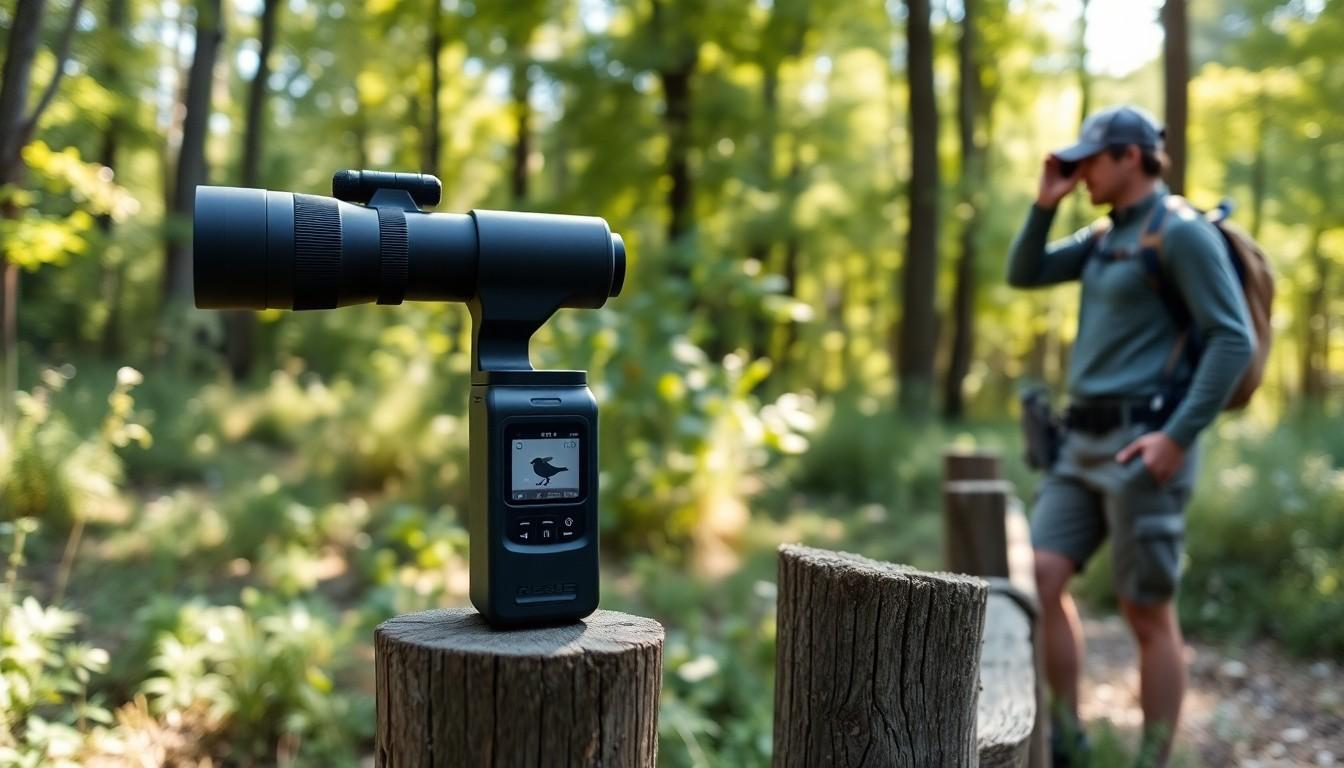

GoBirding’s Vision Master attempts to combine traditional birdwatching optics with advanced AI recognition, but current hardware limitations highlight the challenges of merging high-tech features into rugged outdoor equipment.
GoBirding’s Vision Master is a bold attempt to rethink birdwatching gear, pairing a traditional spotting scope with on-device species recognition, smartphone connectivity and 4K recording. In theory, it promises to make field identification faster and less dependent on guidebooks or guesswork. In practice, TechRadar’s review suggests it is at its best when its AI is allowed to do the heavy lifting, and at its weakest when the optics are pushed hard.
The appeal is obvious. GoBirding says the Vision Master can recognise more than 1,500 species without an internet connection and more than 10,000 when linked to a phone through its companion app. The company also pitches 30x optical zoom, up to 120x hybrid zoom, autofocus tracking and 4K wildlife capture as part of a package aimed at birders who want more than a conventional scope. GoBirding says the product is due to launch on Kickstarter in August, with pre-orders already being signposted on its site.
But the hardware appears to lag behind the ambition. TechRadar found the scope’s build reassuringly solid and its controls practical enough for outdoor use, yet also noted that autofocus is slow, stabilisation becomes unreliable at full zoom, and the app still feels unfinished. The review also pointed to odd colour rendering and an angular form of background blur that undercuts image quality, especially once digital zoom is involved.
Those limitations matter because the Vision Master is not cheap. TechRadar reports an official price of $999, while GoBirding has indicated early-bird Kickstarter tiers will start lower, with the company also promising a still-unspecified super early-bird deal. That puts it in awkward territory: expensive for a device with visible rough edges, but unusual enough that there is little direct competition. For birders who value built-in identification and are happy to use a tripod, it may still make sense; for anyone prioritising polished imaging, it looks more like an intriguing first draft than a finished answer.
What makes the Vision Master noteworthy is not that it replaces a conventional camera, but that it tries to merge spotting, recording and identification into one tool. Other reviews have described the same blend of promise and compromise, with praise for the concept and caution over execution. If GoBirding can tighten the software and improve responsiveness before wider release, the Vision Master could become a genuinely useful category-maker. As it stands, it is a fascinating idea that still needs work.
Disclaimer: This content is intended for informational purposes only. Readers are advised to exercise their own judgement, conduct due diligence, or consult a qualified expert before acting on any information provided.