
The Pixel 11 offers a refined design and enhanced on-device AI capabilities, but lacks significant hardware leaps, with critics noting modest updates and a focus on software features amid a conservative approach to innovation.
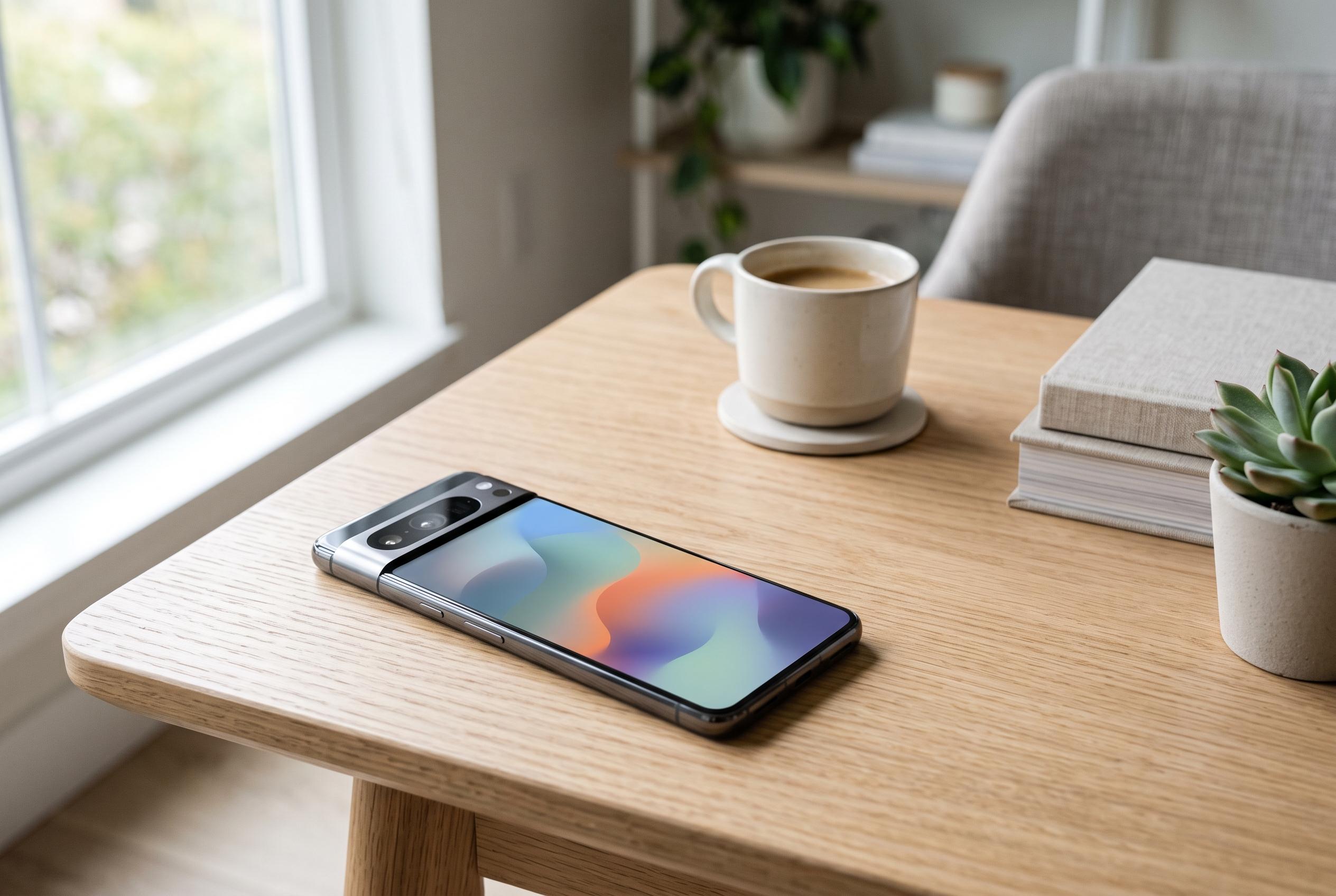
Google’s Pixel 11 arrives as a careful refinement rather than a clean break from the Pixel 10. In reviews published by Presse-citron, T3, Tom’s Guide and 01net, the handset is described as broadly familiar in design, with only modest changes to the camera bar and a small reduction in weight, while keeping the same 6.3-inch class display and IP68 protection. The result is a phone that feels polished, but intentionally conservative.
That restraint extends to the screen. Reviewers noted that the panel remains one of the device’s strongest points, with very high brightness and a 60Hz to 120Hz refresh range, but without LTPO technology to drop as low as 1Hz. Tom’s Guide and T3 both praised the display for visibility and overall quality, while also observing that it changes little from the previous generation. In practice, it is a dependable flagship-grade screen rather than a meaningful leap forward.
The bigger shift is inside. Google’s Tensor G6 is paired with 12GB of RAM and is positioned less as a raw performance chip than as a platform for on-device AI. Presse-citron says Google has redirected silicon space towards its TPU, improving local processing for features such as transcription, summaries and Gemini Nano. That emphasis comes with limits: T3 and Tom’s Guide say gaming performance and sustained heavy workloads still trail rivals, and TechSpot argues the Pixel 11 does not deliver the kind of generational jump that would justify the price increase on performance grounds alone.
Camera hardware has also moved only incrementally. The main rear sensor is now 48 megapixels with a slightly larger sensor, alongside a 13-megapixel ultra-wide camera and a 10.8-megapixel telephoto unit with 5x optical zoom. Press reviews from Presse-citron, T3 and Tom’s Guide agree that daylight shots remain very strong, with accurate colour and good highlight control, but low-light gains are modest rather than transformative. Google’s software additions, including Magic Capture and other creator-focused tools, appear more significant than the hardware changes themselves.
Battery and charging remain solid but unspectacular. Presse-citron says the battery is marginally larger than before at just under 5,000mAh, while Tom’s Guide reported average endurance and unchanged charging speeds. T3 added that wireless charging now reaches 25W with Qi2 support, yet wired charging stays relatively slow by modern flagship standards. The broader picture is of a phone that can comfortably last a day, but offers little to excite buyers looking for faster top-ups or standout stamina.
Software support remains one of the Pixel 11’s clearest advantages. Google continues to promise seven years of Android updates, security patches and Pixel Drops, and the phone ships with Android 17 in its cleanest form. Presse-citron also points to newer security features such as the Titan M3 co-processor, satellite SOS and theft protection. The caveat is regional availability: several of Google’s most ambitious Gemini features are still limited at launch, with France lacking functions that are available in markets such as the United States and, in some cases, the United Kingdom. That makes the Pixel 11 easier to admire than to recommend unreservedly, especially at a starting price that places it firmly in premium territory.
Disclaimer: This content is intended for informational purposes only. Readers are advised to exercise their own judgement, conduct due diligence, or consult a qualified expert before acting on any information provided.