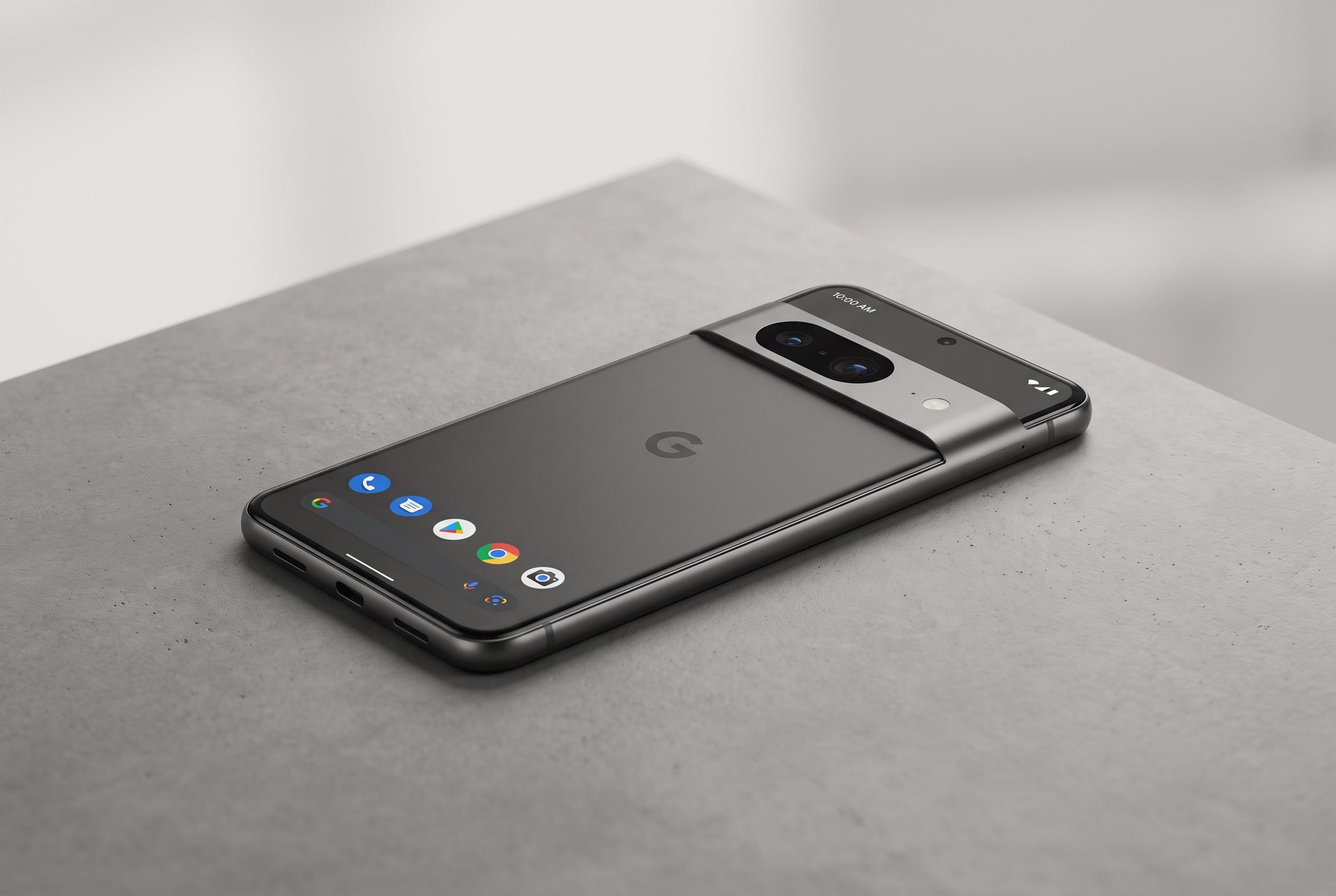

The Pixel 11 series from Google receives mixed reviews, with critics highlighting modest updates and a conservative design that may hinder its competitiveness against Apple and Samsung flagship models.
Google’s Pixel line has long been a study in contradiction: software that often feels polished and distinctive, paired with hardware that too often looks one step behind the market. That tension is once again in focus with the Pixel 11, which has been greeted with criticism over its conservative design, limited changes to the core formula and a launch that, according to Tom’s Guide, did little to convince sceptical buyers that Google has solved its hardware problem.
The strongest complaints are familiar ones. Tom’s Guide said the Pixel 11 Pro brings only modest changes, including a Tensor G6 chip, incremental camera improvements and a reduction in RAM on the Pro model, a combination that could weaken the device’s AI performance. TechSpot added to the unease by reporting that the chip may rely on an ageing PowerVR graphics design, raising questions about gaming performance even if the CPU side is improved. Preliminary Geekbench results circulating online, as Tom’s Guide noted, also suggest that the Pixel 11 still trails rivals in raw speed.
That stands in contrast to the more positive story Google is trying to tell on imaging and on-device processing. Android Central said the Pixel 11 family includes the Pixel 11, Pixel 11 Pro, Pixel 11 Pro XL and Pixel 11 Pro Fold, with RAM up to 16GB on Pro models and storage options reaching 1TB. Digital Camera World reported that Google is pitching a new 48-megapixel main camera with markedly better light sensitivity, while the Pro models move to a 50-megapixel main sensor and a 48-megapixel telephoto unit with very high zoom. The same report said Magic Capture is designed to record video and high-resolution stills at the same time, while TechRadar highlighted the removal of the 128GB entry point in favour of 256GB base storage.
Yet the broader criticism is not just about benchmark numbers. It is about whether Google is building a premium product that can stand beside the best from Apple and Samsung. Tom’s Guide described the launch as strikingly unambitious, arguing that the overall package feels too familiar for a flagship release. That critique aligns with the wider view that Google still excels at software, but has not fully translated that strength into hardware leadership. The company’s clean Android build, useful interface features and strong integration with Gemini remain central to the Pixel appeal, but for many buyers they are no longer enough to offset doubts about performance, consistency and value.
In that sense, the Pixel 11 looks less like a breakthrough than a reminder of Google’s long-running problem. Its camera upgrades and AI features may give it a clearer identity, but the hardware story remains clouded by trade-offs that are hard to ignore. For a company that wants its phones to be taken as serious flagships, that is still a difficult gap to close.
Disclaimer: This content is intended for informational purposes only. Readers are advised to exercise their own judgement, conduct due diligence, or consult a qualified expert before acting on any information provided.