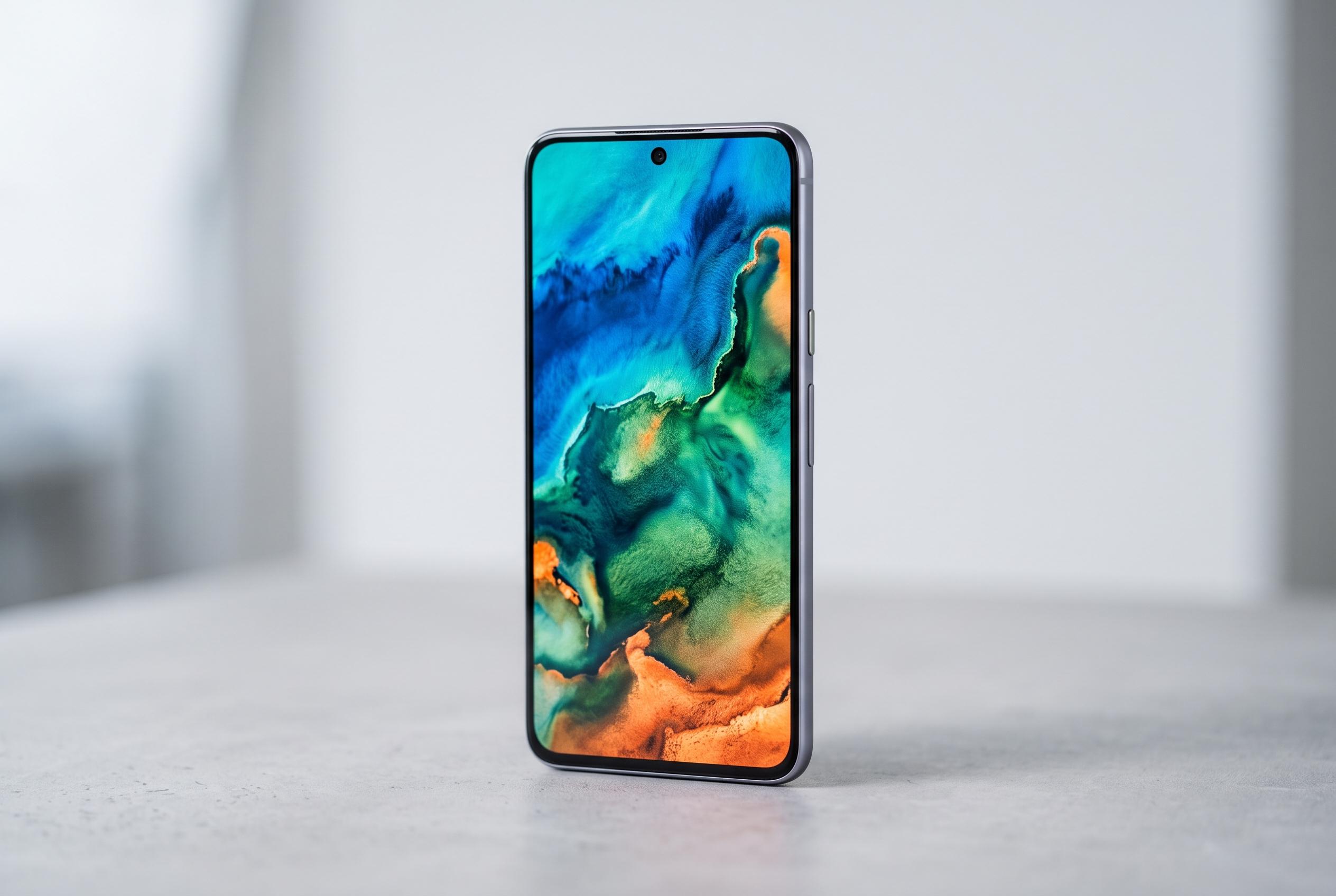

The newly launched Google Pixel 11 Pro XL enters the premium smartphone market, directly rivaling Samsung’s Galaxy S26 Ultra by emphasising software innovation, display brightness, and camera capabilities, offering consumers a choice based on hardware versus software strengths.
Google’s new Pixel 11 Pro XL arrives as a direct challenge to Samsung’s Galaxy S26 Ultra, with both phones aimed squarely at buyers willing to pay flagship prices for large displays, premium materials and advanced AI tools. According to ZDNET, the two models both start at $1,300, but they take different routes to the same goal: Google leans on software, brightness and image processing, while Samsung counters with broader hardware and a more established performance profile. The comparison is especially relevant because the Pixel has only just launched, whereas the Galaxy has already been in the market long enough to build a stronger real-world reputation.
Performance appears to be one of the clearest dividing lines. ZDNET says the Pixel 11 Pro XL uses Google’s Tensor G6 chip, built on TSMC’s 2-nanometre process, and that it is designed to improve power efficiency, thermal control and on-device AI work. The Galaxy S26 Ultra, by contrast, runs Qualcomm’s Snapdragon 8 Elite Gen 5, a chip with a third-generation Oryon CPU, Adreno graphics and Hexagon NPU for heavier sustained workloads. Tom’s Guide similarly argues that Samsung currently has the edge in raw speed, gaming and benchmarks, while Android Central says the Pixel may narrow the battery gap thanks to the Tensor G6 and a new MediaTek modem.
Cameras are another area where the phones reflect different philosophies. Samsung’s Ultra model carries a four-camera array, led by a 200-megapixel main sensor plus 3x and 5x telephoto lenses. The Pixel 11 Pro XL uses a simpler triple-camera setup with a 50-megapixel main camera, 48-megapixel ultrawide and 48-megapixel telephoto. ZDNET notes that Google’s computational photography could still give the Pixel an advantage in how images are processed, especially for skin tones, motion and low light. Tom’s Guide also says Samsung’s advantage in hardware is offset, at least partly, by Google’s stronger software approach.
Display quality looks more favourable to Google. ZDNET reports that the Pixel 11 Pro XL can reach 3,600 nits of peak brightness, compared with 2,600 nits on the Galaxy S26 Ultra. In practical terms, that should make the Pixel easier to read in direct sunlight. The Samsung panel is slightly larger at 6.9 inches, but the Pixel’s 6.8-inch OLED screen has the stronger brightness figure and may prove more usable outdoors.
On features and software, the decision is less about a clear winner and more about priorities. Android Central says Google is expected to offer seven years of operating system updates and highlight features such as Pixelsnap magnetic charging and Qi2 support. The Samsung phone, meanwhile, adds the S Pen and a Privacy Display function that limits visibility from side angles. Tom’s Guide says Samsung also offers stronger privacy-focused tools and reverse wireless charging. For buyers weighing long-term value, the choice may come down to whether they prefer Google’s cleaner software and display brightness or Samsung’s broader hardware toolkit and faster chip.
Disclaimer: This content is intended for informational purposes only. Readers are advised to exercise their own judgement, conduct due diligence, or consult a qualified expert before acting on any information provided.