
Google’s screenless Fitbit Air offers a minimalist approach to fitness tracking, emphasising comfort, long battery life, and AI-driven coaching, appealing to users seeking subtle health insights without a screen.
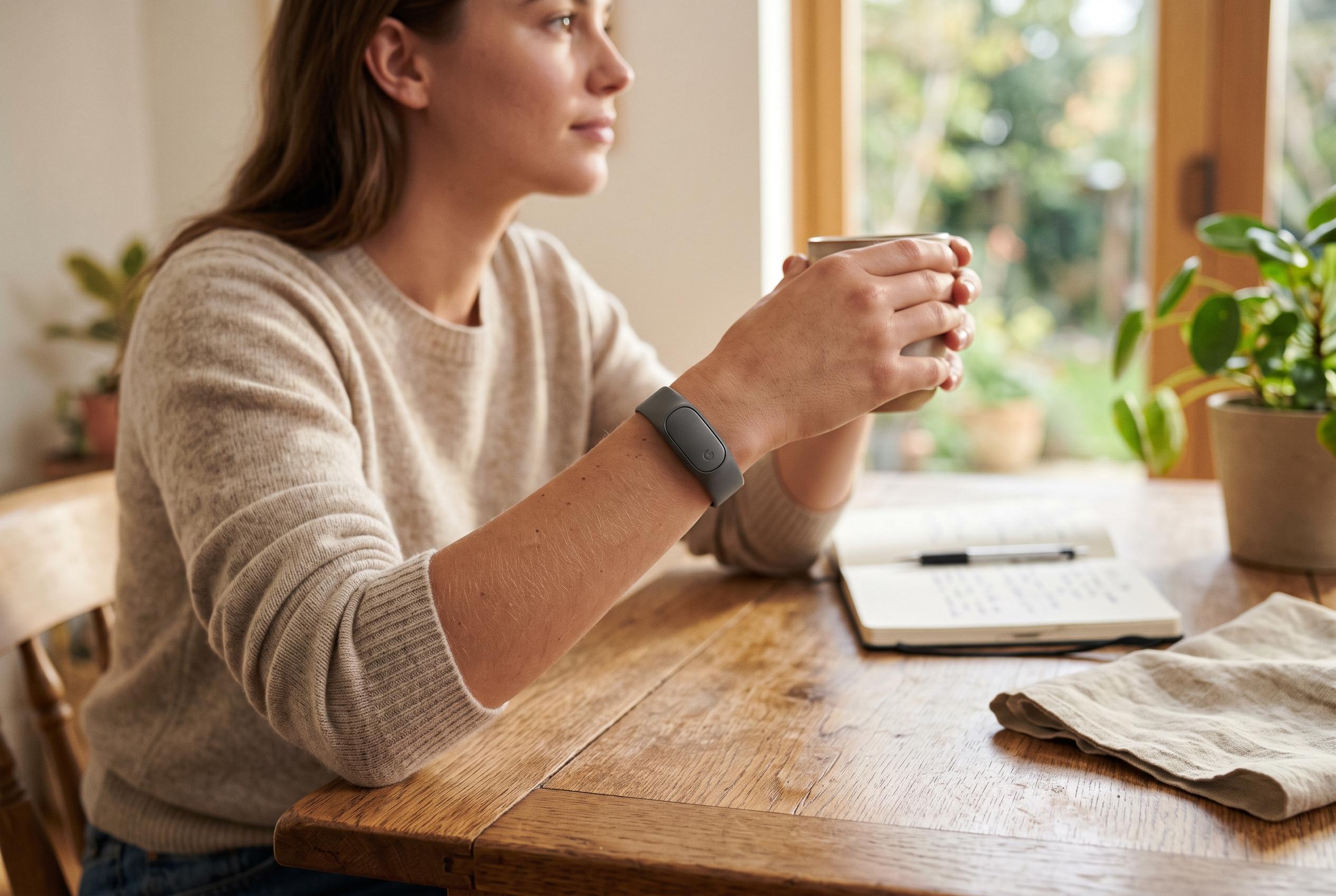
Google’s screenless Fitbit Air is a neat answer to a simple question: how much smartwatch can you remove before you start missing it? In three months of use, the device appears to have won over reviewers precisely because it does so little on the surface. Android Central described it as a minimalist tracker built around comfort and simplicity, and that is also the strongest impression from hands-on testing. At 12 grams, it is easy to forget on the wrist, even at night, and its plain, low-profile design reads more like jewellery than electronics.
That restraint is matched by its battery performance. Google says the Fitbit Air lasts up to seven days per charge, and the review testing went beyond that, reaching a little over eight days before the battery fell to around 4 per cent. Recharging is unusually quick, taking roughly an hour from empty to full, with a short 10-minute top-up delivering a substantial charge. That combination makes the tracker easier to live with than many full-featured watches, which often need nightly charging.
The more ambitious part of the product is Google Health Premium, the paid layer built around Gemini. It is free for the first three months, then costs $9.99 a month or $99.99 a year. The reviewer found the AI Coach genuinely useful for building structure into workouts, from rowing sessions to stretching and core work. The app also makes it simple to add goals and keep them visible in the fitness tab, which gives the device a stronger case for people who want accountability rather than notifications. TechRadar and other early reviews have made the same point: the AI may not suit everyone, but it gives the Air a more distinctive purpose than a basic step counter.
The health tracking is strongest in sleep, nutrition and hydration. The Air’s near-invisible form factor makes it particularly well suited to overnight wear, and the sleep data was described as detailed and increasingly tailored over time. Nutrition logging is also flexible, with barcode scanning and food photos available, while macro tracking adds more precision for users who want it. Hydration reminders round out the package. But the nap detection is less dependable, with only about half of naps being picked up and some reports arriving late.
The weaknesses become clearer in movement tracking. Cycling detection was inconsistent, with only about three quarters of rides captured, and the lack of built-in GPS makes route logging more dependent on the phone. Stair tracking is absent altogether, leaving floors climbed at zero in weekly reports. The AI itself can also misread context, confusing light activity with food logging, and some workout instructions do not fully match the accompanying video. Those issues do not make the product unusable, but they do show the limits of relying on automated coaching.
Even so, the Fitbit Air seems to succeed as a comfort-first tracker for people who do not want a screen, constant alerts or a bulky watch face. Its durability also impressed after months of continuous wear, with the band still looking new despite daily use. That makes it a strong option for users who value subtle design, long battery life and simple health tracking. It is less convincing for cyclists, heavy stair users or anyone uneasy about AI-led coaching. But for readers who want a discreet wearable that stays out of the way and still offers useful health data, it appears to be one of the more compelling budget choices.
Disclaimer: This content is intended for informational purposes only. Readers are advised to exercise their own judgement, conduct due diligence, or consult a qualified expert before acting on any information provided.