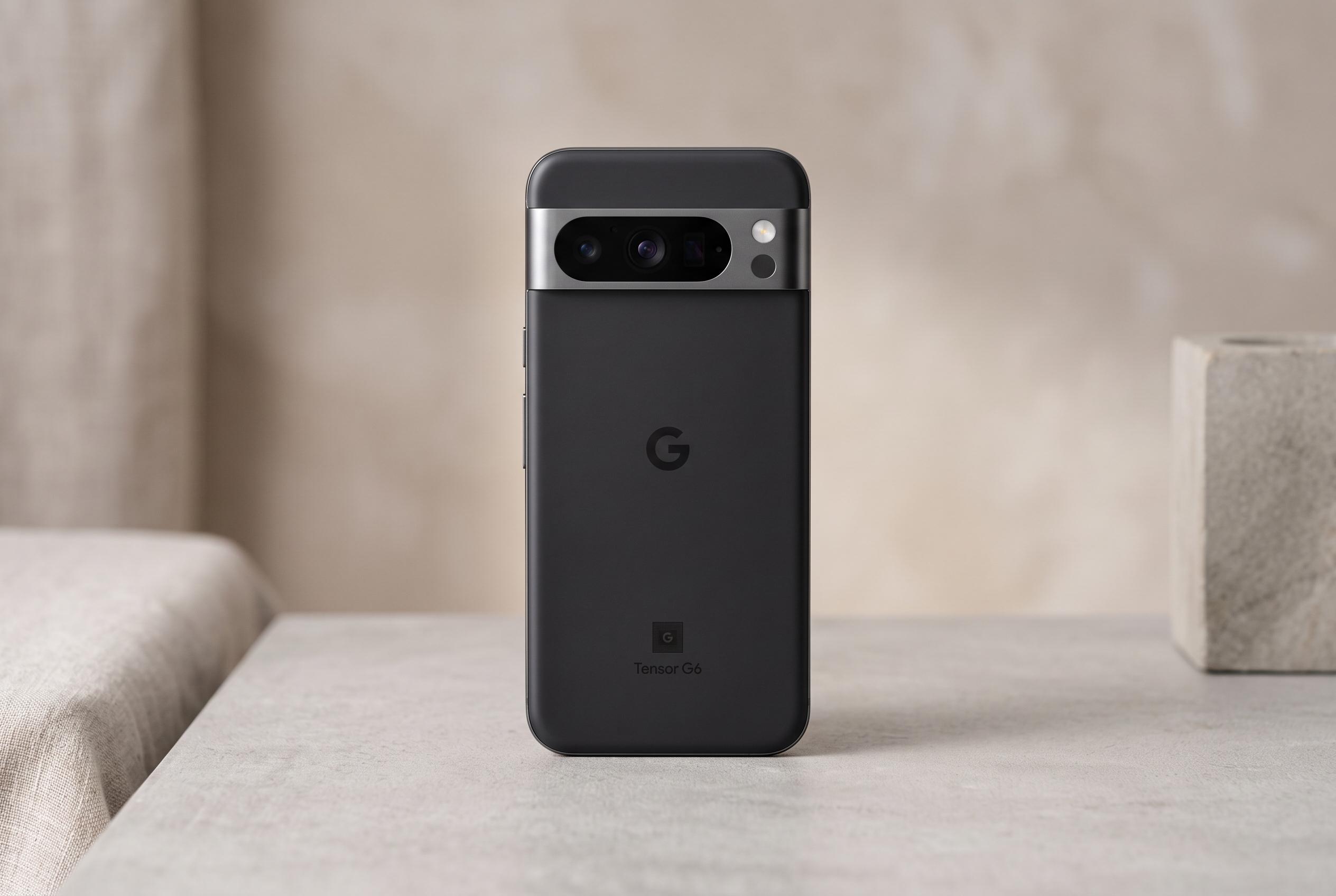

Google’s latest Tensor G6 chip for Pixel 11 pro shows notable gains in AI and everyday tasks but falls short in graphics and sustained workloads, signalling a shift towards AI features over benchmark dominance.
Google’s Tensor G6 marks a clear shift in priorities for the Pixel 11 line: more attention to on-device AI, modest gains in everyday speed, and only limited progress in graphics. Android Authority’s testing suggests the chip is better than last year’s Tensor G5 in CPU and TPU workloads, but the overall performance picture remains uneven. That matters because Google is pairing the new silicon with only 12GB of RAM in the Pixel 11 Pro, down from 16GB last year, which weakens the case for its flagship AI ambitions.
The new chip moves to Arm’s latest C1-based core design and is built on TSMC’s 3nm process rather than the 2nm node some rumours had suggested. Google has also replaced its older Samsung modem with MediaTek’s M90 and upgraded the security co-processor to Titan M3. According to Android Central and Tom’s Guide, Google is pitching the G6 as a more efficient platform with faster web browsing, quicker app launches and a far stronger TPU for AI features such as live translation and enhanced image processing.
Benchmark results, however, show that the improvements are real but not transformative. Android Authority reports gains of roughly 18% in single-core and 21% in multi-core Geekbench 6 tests versus the previous generation, while graphics results in 3DMark rise by only about 7% to 10%. That leaves the Pixel 11 comfortably capable for normal use, but still well short of the class-leading performance offered by Snapdragon, Apple and Samsung rivals.
The gap is most visible in gaming and other sustained workloads. Android Authority found that Tensor G6’s peak graphics scores are far below competing flagship chips, and that performance can fall off after only a few minutes of stress testing. The chip does hold on to a relatively high share of its peak performance under load, but that advantage is not enough to offset the much faster raw throughput of rival processors. It also still lacks ray tracing support, which increasingly limits its appeal for mobile gaming.
The broader question is what Tensor is now for. Google appears to be betting that AI features, rather than benchmark leadership, will define the Pixel experience. That may be a reasonable commercial strategy, but it leaves the line exposed on future-proofing, especially given Google’s promise of seven years of support and the possibility that rival chips will continue to widen the performance gap. For buyers who value Google’s software features, the Pixel 11 remains a credible option. For those seeking the fastest handset at the price, the Tensor G6 does not make that case convincingly.
Disclaimer: This content is intended for informational purposes only. Readers are advised to exercise their own judgement, conduct due diligence, or consult a qualified expert before acting on any information provided.