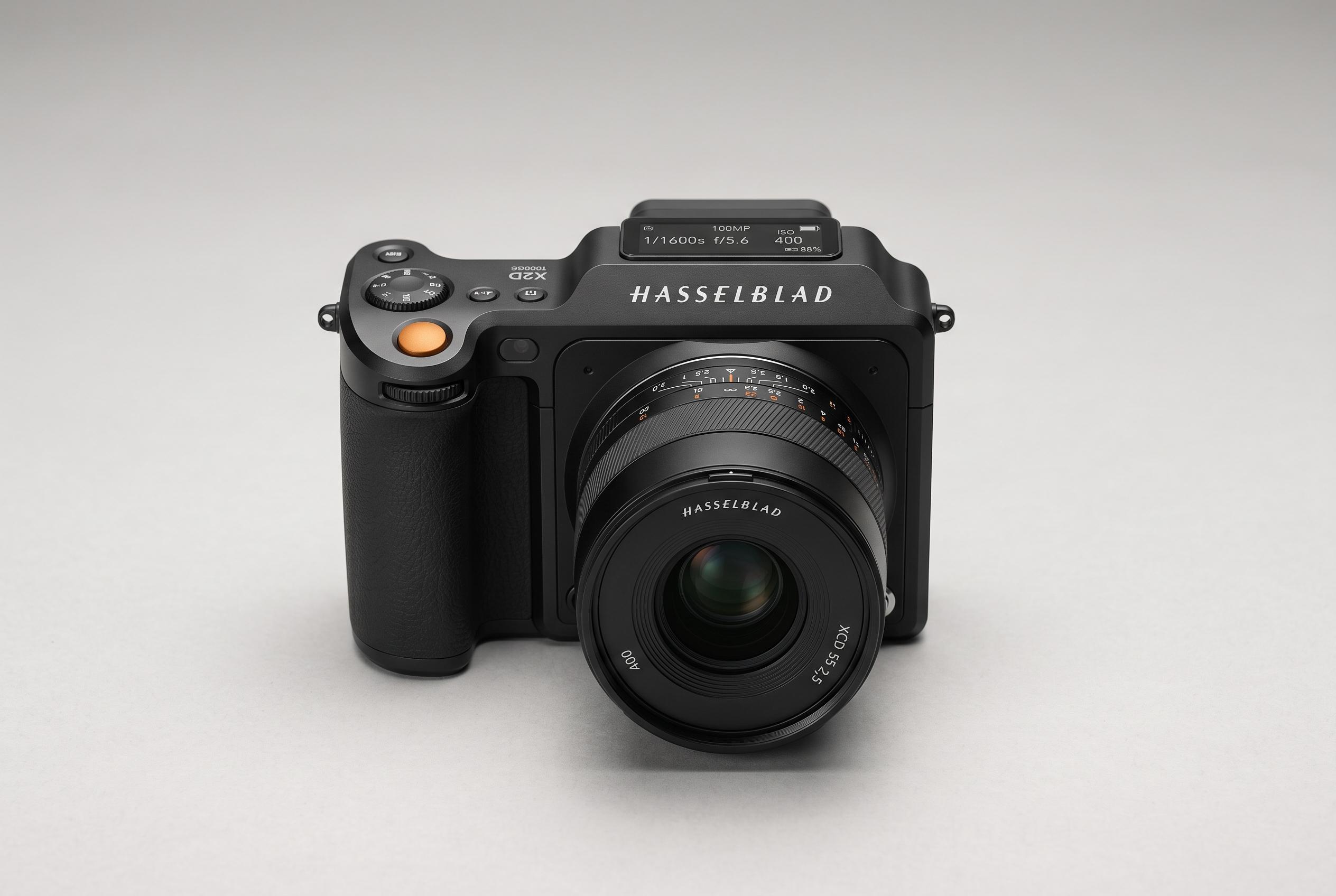

The Hasselblad X2D II 100C, praised for its high resolution and colour fidelity, gains groundbreaking autofocus features, making it a practical tool for dynamic shooting environments and not just studio scenarios.
Hasselblad’s X2D II 100C is being presented as the rare medium-format camera that is no longer limited to careful studio work. In a hands-on test across Porto and Lisbon, Sean Dalton found that the decisive change was autofocus. The original X2D 100C impressed him, but its response was too lethargic for regular use. With the new model, continuous autofocus, a larger phase-detection array and LiDAR-assisted focusing give the camera enough pace to stay useful when subjects are moving, even if it still sits well behind Sony’s fastest systems.
That shift matters because the X2D II is still built around a 100-megapixel sensor, and Hasselblad continues to pair that resolution with the company’s colour pipeline and HDR workflow. The camera offers 16-bit colour, HNCS HDR and a 5-axis in-body stabilisation system rated at 10 stops, while the 3.6-inch OLED screen is designed for bright HDR viewing. Hasselblad also says the camera supports wireless transfer and remote control through Phocus Mobile 2 on iOS, reinforcing its appeal as a high-end travel and location tool rather than a locked-down studio body.
Dalton’s review also highlights how much the ergonomics now matter. The X2D II adds a rear joystick, a custom button and a screen that tilts further back, all of which make the camera easier to use quickly in the field. He assigned the new button to crop modes and found himself using the Xpan framing option for skylines and harbour scenes. With so much resolution available, he argues, cropping is no longer a compromise but part of the shooting method. A 38mm frame can be pulled much tighter in post-processing, turning one prime into something closer to a short zoom.
Even so, the camera is not without limits. Dalton said he missed the option to disable shutter-button autofocus while keeping back-button focus, a control pattern he uses elsewhere. He also wanted a faster burst mode than the camera’s three frames per second, especially for more chaotic street moments. And while he liked the JPEG output straight from the camera, he felt more in-body adjustment would be welcome. Hasselblad’s own launch material emphasises the X2D II’s autofocus, stabilisation and HDR ambitions, but Dalton’s test suggests the real breakthrough is more specific: for the first time, the system feels quick enough to justify carrying medium format every day.
Disclaimer: This content is intended for informational purposes only. Readers are advised to exercise their own judgement, conduct due diligence, or consult a qualified expert before acting on any information provided.