
A new guide emphasises matching equipment to shooting styles rather than cost, revealing versatile microphone options from Rode, DJI, and Sennheiser that enhance outdoor sound capture and reduce post-production effort.
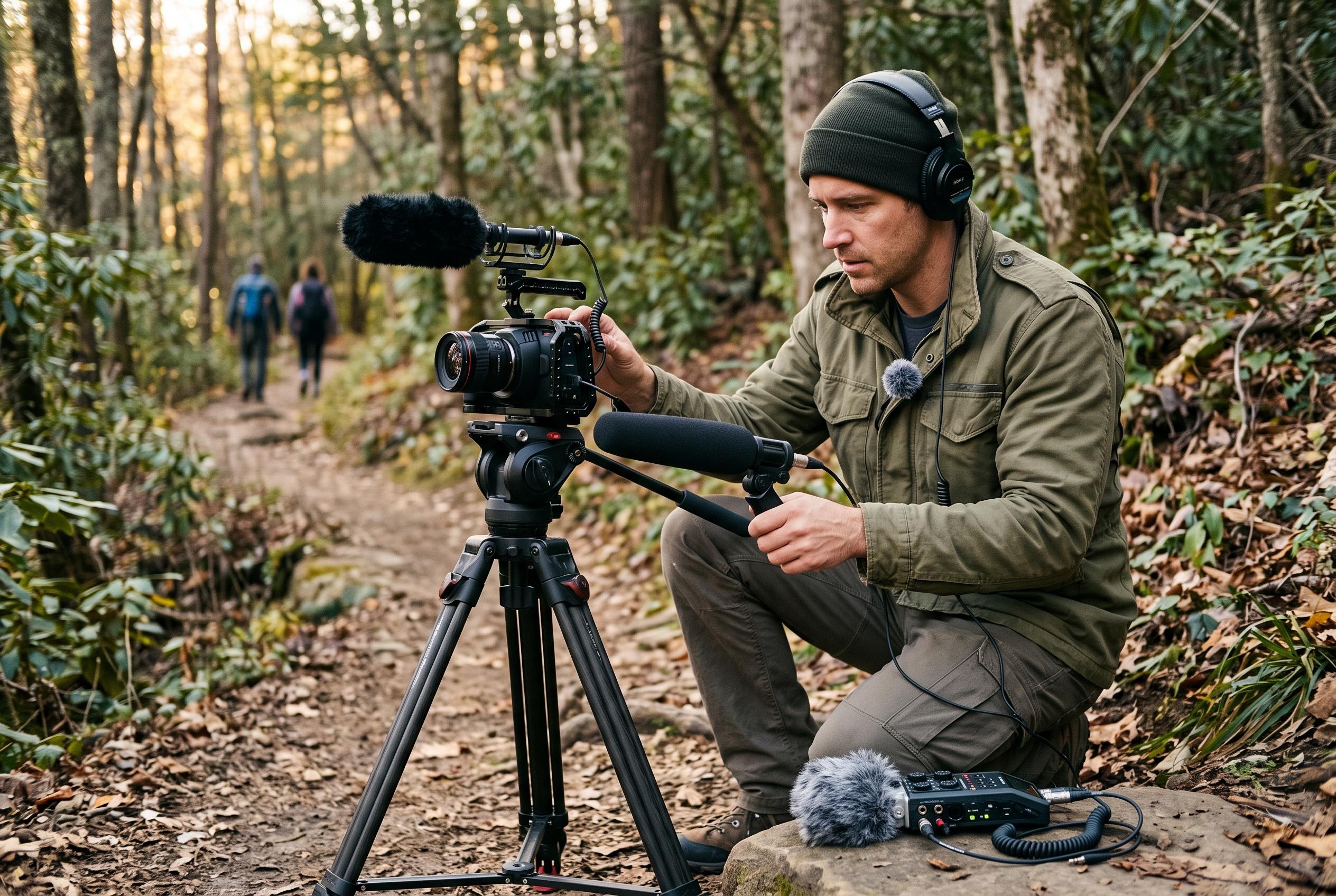
Outdoor filmmaking is as much an audio problem as a visual one. Wind, traffic, crowd noise and moisture can quickly overwhelm dialogue, which is why microphone choice matters as much as camera choice. The Short Film Central guide for September 2026 argues that the best results come from matching the microphone to the shooting style rather than buying the most expensive model. Its testing covers shotgun mics for boom work, wireless systems for moving subjects and compact options for travel productions. The core message is practical: in exterior locations, the right mic can save hours in post-production.
For on-camera shotgun use, the Rode VideoMic NTG stands out as the most versatile option in the guide. The review highlights its natural sound, USB-C and 3.5mm connectivity, and digital controls such as a high-pass filter, pad and safety channel. Rode says the mic uses a supercardioid polar pattern and offers more than 30 hours of battery life, which supports its appeal for hybrid shooters who need a single mic for camera, phone and computer workflows. In practice, that makes it well suited to documentary work and small crews that move between devices.
The same article places the DJI Mic 2 at the top of the wireless category for two-person shoots. Its key advantage is internal 32-bit float recording, which gives editors more room to recover dialogue that peaks during unpredictable moments. DJI also positions the system as a compact, portable option with a long transmission range and noise cancellation, which aligns with the guide’s emphasis on run-and-gun filming. For interview work, that combination of backup recording and cable-free operation is especially valuable.
Sennheiser’s MKE 400 is presented as a compact directional alternative for creators who want a smaller rig without abandoning real monitoring. According to Sennheiser, the microphone includes a built-in windscreen, a headphone output for live monitoring and a supercardioid pickup pattern aimed at focused dialogue capture. The Short Film Central review adds that its portability and interchangeable camera-and-phone cabling make it useful for vloggers and journalists. Its limitation is reach: it is better suited to close interviews than boom-pole work at distance.
For budget-conscious buyers, the guide favours smaller systems that still protect against the main risks of outdoor recording. The DJI Mic Mini 2 is described by DJI as an ultralight wireless system with up to 400 metres of range and intelligent noise cancellation. At the same time, Rode’s VideoMicro II is framed as a simple plug-and-play shotgun for small cameras and travel kits. Together, they illustrate the article’s broader point that outdoor audio does not have to be expensive, but it does have to be appropriate to the environment and the working distance.
The buying guidance is the most useful part of the piece because it explains why so many microphones fail outside. Shotgun mics are preferred when the camera or boom can stay close to the speaker, while lavalier systems work better when talent moves freely. Wind protection is treated as essential rather than optional, with foam covers, furry windshields and full blimps each serving a different level of exposure. The article also distinguishes clearly between XLR and 3.5mm connections, notes the effect of polar patterns on rejection of side noise and stresses that moisture resistance, battery endurance and backup recording are all part of outdoor readiness.
Overall, the guide makes a sensible case that outdoor filmmaking audio is about trade-offs, not absolutes. A compact shotgun may be ideal for one-person work, while a wireless lavalier system is the safer choice for movement and separation. The best microphone is therefore the one that fits the shot, the weather and the crew size. For filmmakers working in uncontrolled spaces, that judgement matters more than brand prestige.
Disclaimer: This content is intended for informational purposes only. Readers are advised to exercise their own judgement, conduct due diligence, or consult a qualified expert before acting on any information provided.