
Samsung’s latest Galaxy Watch Ultra 2 aims to redefine its rugged appeal by balancing durability, comfort, and comprehensive health monitoring, offering a compelling upgrade for dedicated outdoor and fitness users amidst mixed comfort reviews.
Samsung’s second Ultra watch appears to have done the harder thing than simply adding another outdoor credential: it has made Samsung’s most aggressive wearable easier to live with. Reviews published after the model’s July 22, 2026 unveiling broadly agree that the Galaxy Watch Ultra 2 is defined less by a dramatic redesign than by better comfort, markedly stronger stamina and a more convincing claim to being an everyday flagship rather than a specialist adventure watch. Samsung began pre-orders on July 22 and moved to wider availability on August 7, pairing the Ultra 2 with the mainstream Galaxy Watch 9 in the same launch. (wareable.com)
That repositioning starts with the hardware. Samsung’s own specification sheet lists a 47.4 x 47.1 x 10.7mm case weighing 61.5g, built from titanium with sapphire crystal over a 1.52-inch, 498 x 498 Super AMOLED display that reaches up to 5,000 nits. TechRadar says the chassis is 12% slimmer than the first Ultra and that the strap is 25% lighter, while Digit argues that Samsung’s silicone band is one of the most successful parts of the redesign because it makes a very large watch feel less top-heavy over long stretches of wear. The improvement is real, but reviewers still describe the watch as bulky rather than universally comfortable. (techradar.com)
The screen is the least disputed strength. Business Standard found the Ultra 2 noticeably easier to read outdoors than the Watch 9, whose panel peaks at 3,000 nits, and said the larger display leaves more room for navigation and information-dense watch faces. Gadgets 360 reached a similar conclusion from daily use, saying the extra brightness may sound excessive on paper but makes the panel plainly legible in harsh midday sun with little visible glare. For buyers deciding between Samsung’s two 2026 watches, that difference appears to be one of the clearest practical advantages of the Ultra 2. (business-standard.com)
Software is being judged in the same way: less on novelty than on execution. The Ultra 2 runs Wear OS 7 with One UI 9 Watch on Qualcomm’s Snapdragon Wear Elite platform and offers 64GB of storage, double the Watch 9’s 32GB, according to Business Standard. The same review says Google Maps, Google Wallet, Gmail and Spotify fit neatly into the Galaxy ecosystem, while TechRadar highlights on-watch Gemini and Samsung’s Raise-to-Talk shortcut as meaningful convenience features. Yet the AI layer is not uniformly polished. Business Standard says the raise-to-talk gesture did not activate reliably in testing, and both Business Standard and FoneArena note that ECG and blood-pressure monitoring still depend on a compatible Samsung phone and Samsung’s Health Monitor app. (business-standard.com)
Samsung’s official health pitch is broader than ordinary activity tracking. The company says the new line adds sleep-apnoea monitoring backed by new FDA clearance, overnight Vitals alerts, Heart Health Score, Daily Cardio Load, Fitness Index and a Hearing mode that warns about unsafe noise exposure. The limitations are important. Samsung says Vitals needs at least seven nights of sleep data, Daily Cardio Load is built around at least seven days of activity and recommends 28 days of continuous wear for best accuracy, and Heart Health Score requires a compatible Samsung Galaxy handset. Wareable welcomes the attempt to turn raw numbers into more useful guidance, but questions how much confidence users should place in wrist-based body composition, noting that its test watch read body fat around 2-3 percentage points above a Withings reference scale. (news.samsung.com)
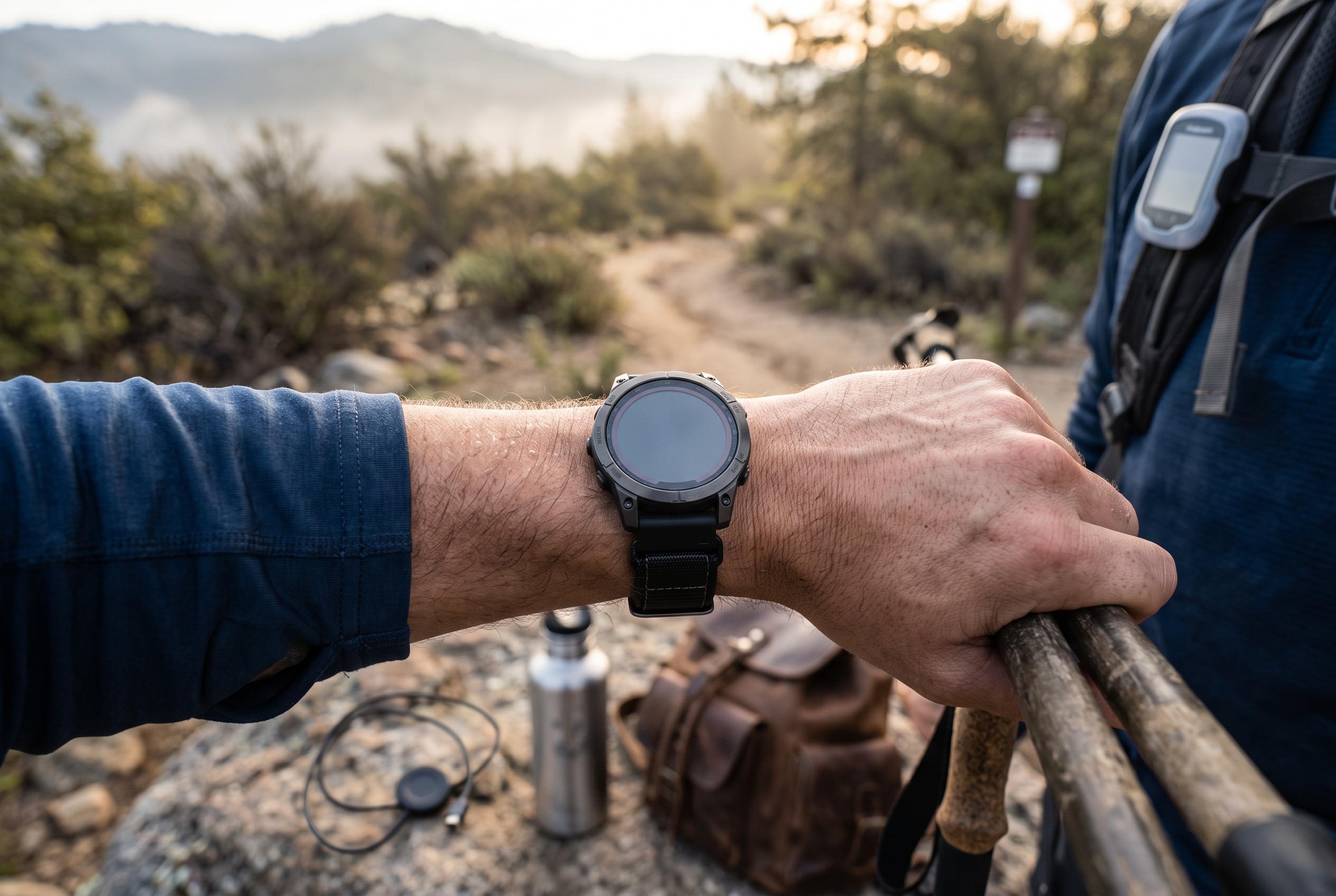
For fitness and outdoor use, the Ultra 2 remains unusually ambitious for a mainstream smartwatch. Samsung says Trail Run tracks elevation, climbing progress and terrain impact, and now adds hydration guidance through Nutrition Alert; TechRadar says runners can also import GPX routes and follow turn-by-turn directions on the watch itself. Diving is presented as more than marketing shorthand. Samsung says the watch is rated to 10ATM and IP69K, is EN13319 certified, can log depth, time and water temperature automatically in the water, and is due to gain an Ultra2 Diving app developed with Mares later in 2026. FoneArena, however, says serious runners may still miss native running power metrics, while TechRadar argues that Garmin and Coros remain stronger options for buyers who prioritise route tools and extreme battery endurance over full smartwatch functions. (news.samsung.com)
Battery life is where reviewers most clearly mark a generational advance. Samsung’s headline figure is up to 60 hours with the always-on display enabled and up to 80 hours without it, backed by an 800mAh battery that FoneArena says is 35% larger than the first Ultra’s. Wareable calls the result a “genuine four-day smartwatch”; FoneArena reports more than three days with constant heart-rate and stress monitoring plus overnight blood-oxygen tracking; and Digit says the watch no longer felt like a product that demanded daily charging even with the always-on display, GPS and connectivity all left active. Charging improves, but not without trade-offs. Digit measured about 40% in 30 minutes and a full recharge in roughly 100 minutes, while FoneArena says the bundled charging puck is effectively mandatory because older Galaxy Watch chargers and phone-based Wireless PowerShare no longer work with the Ultra line. (wareable.com)
The consensus that emerges is therefore narrow but important. At Rs. 64,999 in India, $699.99 in the US and £649 in the UK, the Galaxy Watch Ultra 2 remains a premium purchase, and its size alone will rule it out for some wrists. Business Standard argues that the Galaxy Watch 9 is still the easier everyday choice for buyers who mainly want comfort and simplicity, while TechRadar says the Ultra 2 makes the clearest sense for runners, Samsung phone owners and committed Gemini users. Even so, Wareable, Digit and FoneArena all arrive at broadly the same end point: Samsung has taken a rugged, slightly overbearing first-generation idea and turned it into one of the most complete Android smartwatches currently available, provided the buyer is willing to pay for endurance, brightness and durability they may not fully use every day. (techradar.com)
Disclaimer: This content is intended for informational purposes only. Readers are advised to exercise their own judgement, conduct due diligence, or consult a qualified expert before acting on any information provided.