
Samsung’s Galaxy Z Fold 8 marks significant progress in foldable technology, offering a slimmer, more durable device that excels as a tablet, yet still faces questions about its everyday usefulness and high price point.
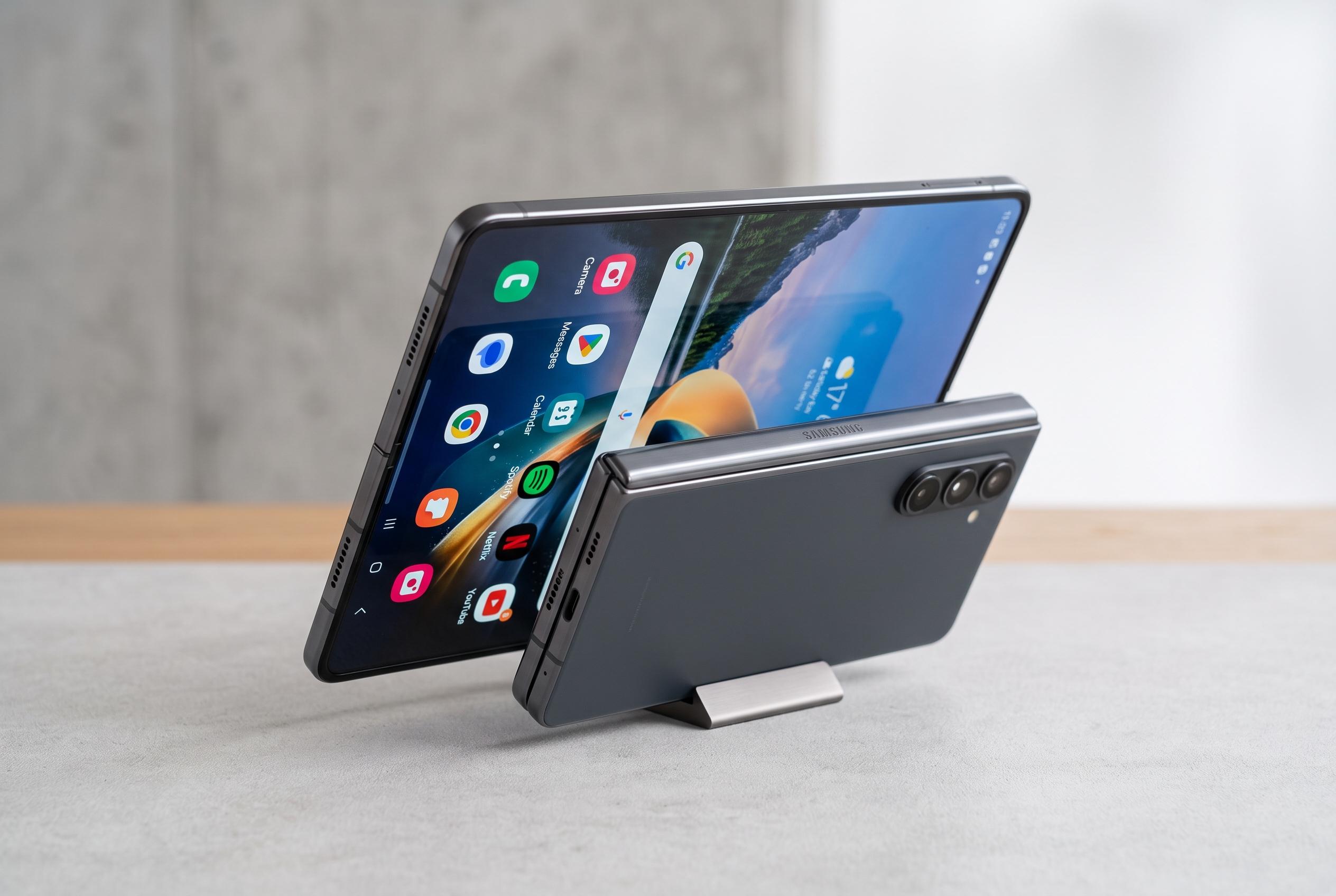
Samsung’s Galaxy Z Fold 8 is the most convincing book-style foldable I have used, but after three weeks with it the appeal is still complicated. The device has clearly become slimmer, lighter and easier to carry than earlier generations, and Android Central says its shorter body and wider aspect ratio make it feel unusually pocketable for a phone with a 7.6-inch inner display. Yet that same format also forces a basic question: for many everyday tasks, is a folding screen actually useful?
For messaging, notifications, quick searches and taking photos, the answer is often no. Those are speed-first jobs, and they can feel slower on a device that has to be opened to deliver its full promise. Social apps do not always help the case either. Instagram and TikTok still leave awkward gaps or cropped layouts on wider foldables, which means the larger screen is not always a better screen.
Where the Fold 8 does make a strong case is in reading, media and gaming. Android Central notes that the inner panel is effectively crease-free and both displays run at up to 120Hz, which helps the experience feel fluid. That lines up with the broader view from reviewers that Samsung has finally made a foldable that works well as a small tablet, especially for longer articles, newsletters and photo viewing. The larger canvas also makes gaming more engaging, though it can tempt users into longer sessions than they may intend.
Samsung continues to pitch the Fold line as a productivity tool, but that claim still has limits. According to Android Central, the device can run split-screen multitasking across three apps and handles tablet-style interfaces well, yet it remains a compromise compared with a laptop for serious work. The Fold 8 sits in the narrow space between phone and computer, useful for occasional desktop-like tasks but not a replacement for a proper keyboard and large display.
The biggest obstacle remains price. The Fold 8 launched at $1,899, while the Fold 8 Ultra starts at $2,099, according to Samsung-focused reporting from SamMobile, which also says both models went on sale on August 7, 2026. At that level, buyers may reasonably expect more hardware compromises to disappear. Critics have singled out the missing telephoto camera, the lack of built-in magnets for accessories and Samsung’s slow embrace of gesture navigation polish in One UI. TechRadar also reported a striking reaction to the phone’s uneven camera bump, after one owner allegedly cut off the module to stop the handset rocking on a flat surface.
The broader picture is that Samsung has made real progress with the Fold 8, but the product still reflects the trade-offs of the foldable category. It is lighter, more durable and more refined than many earlier models, with an IP48 rating for water resistance and stronger internal hardware than before, according to Android Central and SamMobile. Even so, the device remains expensive, incomplete and, for many users, more specialised than necessary. That may be enough to make it the best foldable yet. It is less clear that it is enough to make foldables essential.
Disclaimer: This content is intended for informational purposes only. Readers are advised to exercise their own judgement, conduct due diligence, or consult a qualified expert before acting on any information provided.