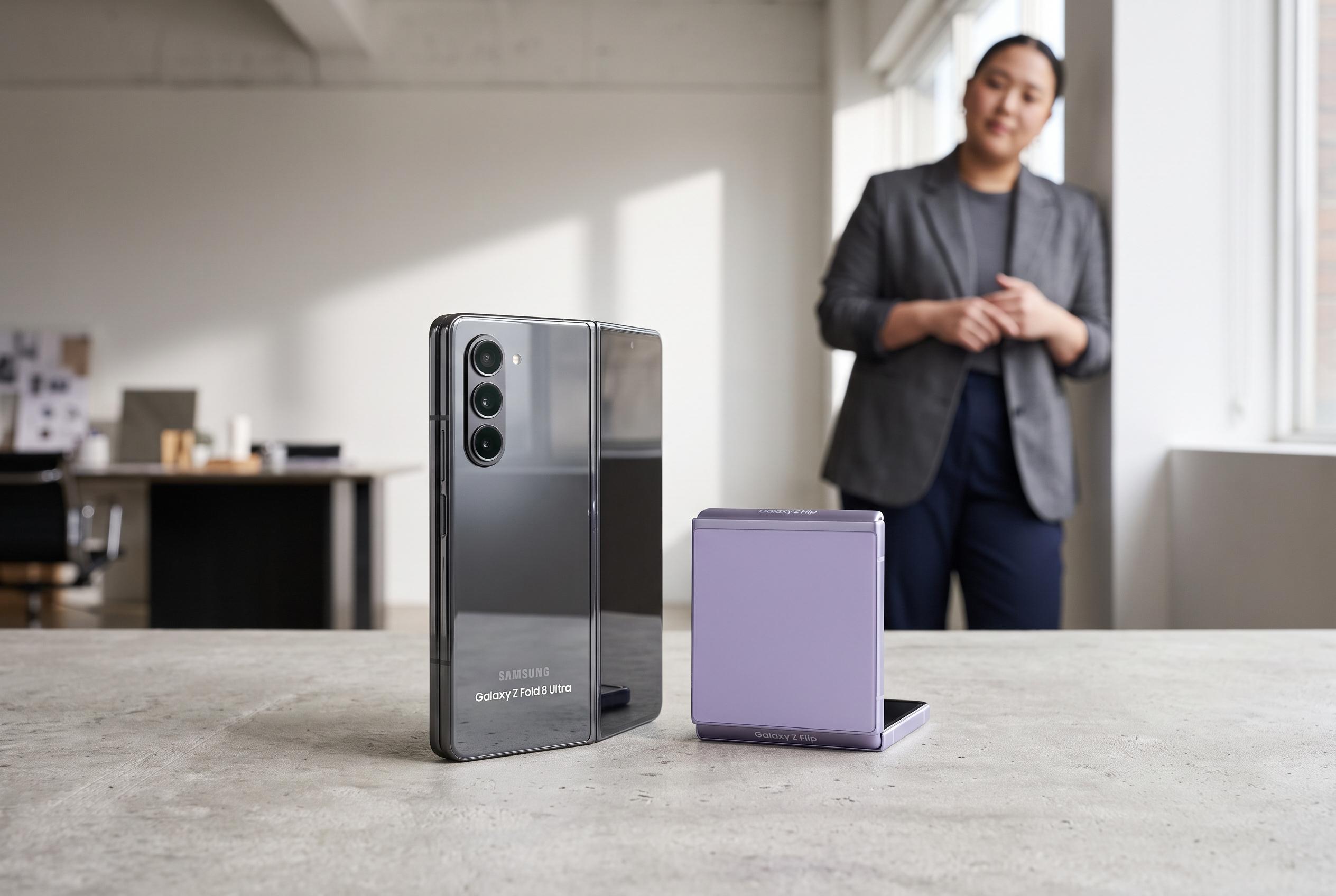

Samsung’s Galaxy Z Fold 8 Ultra impresses with its hardware and design refinements but struggles to outshine its lighter, more practical sibling, raising questions over the best choice amid high costs and evolving foldable tech.
Samsung’s Galaxy Z Fold 8 Ultra is an easy phone to admire and a harder one to recommend without caveats. It is, by any normal measure, a major foldable: fast, sharply built and equipped with a display that is flatter, brighter and less reflective than before. Yet the clearest rival to its appeal comes from Samsung itself. The smaller Galaxy Z Fold 8, launched alongside it, is lighter, easier to handle and, for many people, more practical in day-to-day use.
At first glance, the Ultra feels like an evolution of the old big-screen foldable formula rather than a radical rethink. It keeps the tall cover display and wide internal panel that made earlier Fold models distinctive, while refining the hinge and trimming the crease to near invisibility. Samsung’s Flex Titanium display stack helps the inner screen sit more smoothly, and the anti-reflective coating makes the panel easier to read in bright light. The company has also kept the device reasonably manageable for a handset of this type, at 215 grams, while adding IP48 water resistance rather than full waterproofing. That means it can cope with limited immersion, but it is not dustproof and should not be treated like a rugged phone.
The problem for the Ultra is not that it fails to impress, but that its own sibling often feels like the better answer. Android Police found the Z Fold 8 to be the more enjoyable device to use because of its smaller footprint and easier grip, while TechRadar reached a similar conclusion after heavy camera use, saying the standard Fold was the one they preferred to carry and edit on. The Ultra’s tall, narrow body still asks users to accept the same old compromise: excellent screen real estate when open, but a form factor that can feel awkward when closed or when used one-handed. That tension is now more visible because Samsung has finally offered a second route into the same product line.
Samsung has, however, given the Ultra some genuinely strong hardware. The camera system now includes a 50-megapixel ultra-wide sensor, alongside a 200-megapixel main camera and 10-megapixel 3x telephoto lens. Reviewers generally praise the main camera and ultra-wide camera for their punch and detail, but the telephoto remains the weak point, especially in indoor shooting. On the software side, the phone is built for multitasking, with split-screen use, floating windows and Samsung’s taskbar all making sense on the large internal panel. Quick Share’s new compatibility with Apple’s AirDrop is also a useful touch, making file transfer between ecosystems far less awkward than before.
Battery life is another clear strength. Samsung’s move to a 5,000mAh silicon-carbon battery, combined with the efficiency of its Snapdragon 8 Elite Gen 5 for Galaxy chip, gives the phone the stamina expected of a premium foldable. Android Police said it could last two days with moderate use, and charging is relatively quick at up to 45W wired. Even so, there is a catch: Qi2 wireless charging is not built in without a special case, which undercuts the convenience buyers may expect at this price. At $2,100 and up, the Z Fold 8 Ultra is an expensive device that often feels less like a new category and more like a polished, if conservative, continuation of Samsung’s original big foldable vision.
Disclaimer: This content is intended for informational purposes only. Readers are advised to exercise their own judgement, conduct due diligence, or consult a qualified expert before acting on any information provided.