
The Sony ZV-E10 continues to offer value for beginner creators in 2026, but its limitations are increasingly evident compared to the newer ZV-E10 II, prompting a reassessment for budget-conscious videographers.
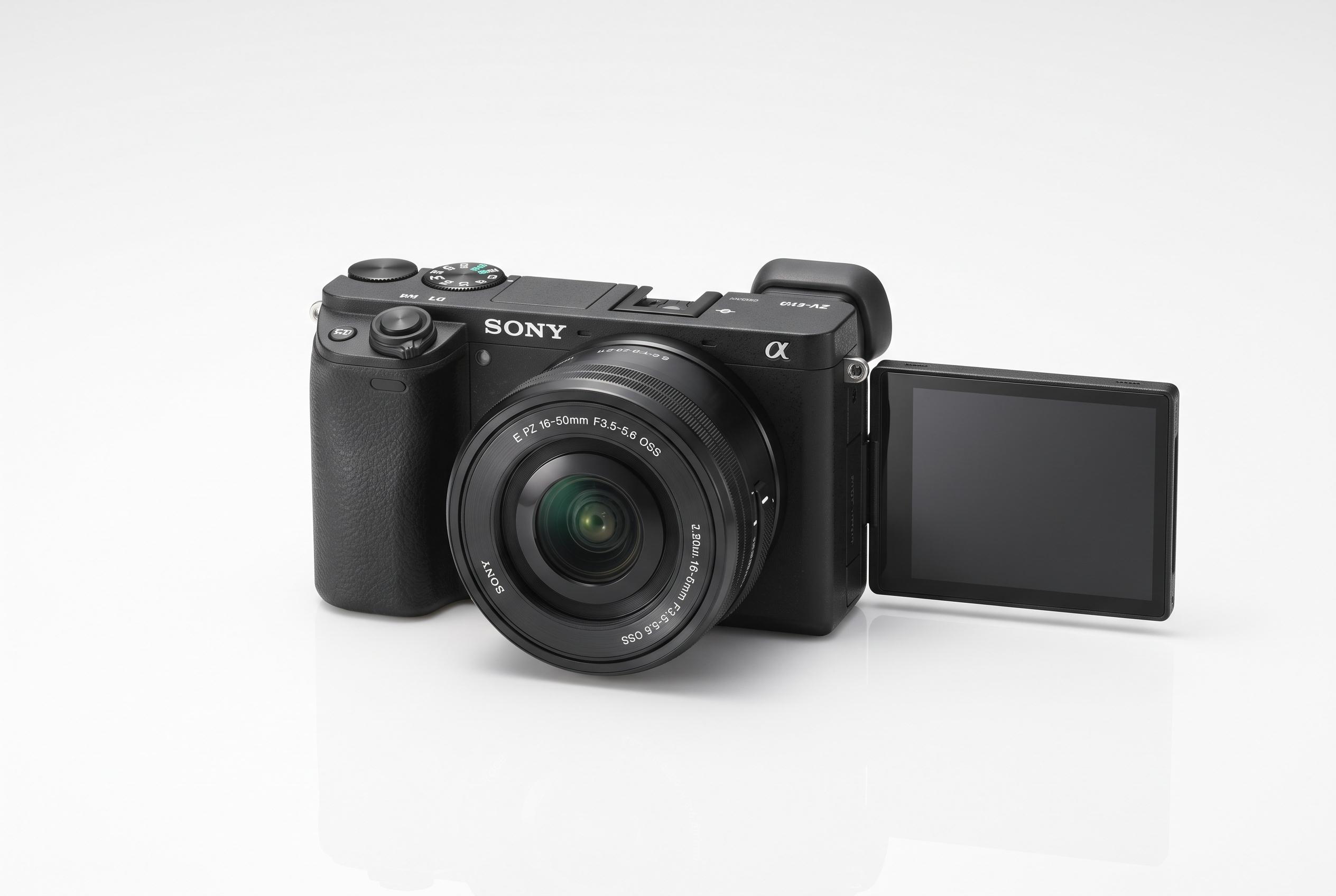
The Sony ZV-E10 remains a sensible budget vlogging camera in 2026, but only for buyers whose work fits its limits. For talking-head videos, tutorials, product demonstrations and desk-based livestreams, the original body still offers a useful mix of an APS-C sensor, dependable autofocus, a fully articulating screen, microphone input and headphone output. RTINGS describes it as a strong value option for creators, while also noting the absence of an electronic viewfinder and in-body stabilisation.
Its age matters more now because Sony’s newer ZV-E10 II raises the bar in the areas that define modern video work. TechRadar’s comparison says the second generation adds 4K/60p, 10-bit 4:2:2 recording, a newer autofocus system, a larger battery and improved rolling-shutter performance. That leaves the original model best suited to buyers who can live with 4K/30p, controlled movement and a lower system cost, rather than those who need a more future-proof video body.
The ZV-E10’s imaging hardware is still respectable. It uses a 24.2MP APS-C sensor, which gives a clearer step up from a phone than most compact cameras, especially for depth of field and subject separation. Digital Camera World argues that the Sony E-mount ecosystem is a major advantage, with a very broad lens range and extensive third-party support, making the body easier to build into a complete kit than many rivals.
Video, however, remains the camera’s chief constraint. The original ZV-E10 records 4K up to 30p and Full HD up to 120p, but it does not offer 4K/60p. That means it remains well suited to seated presenters and carefully staged clips, yet less convincing for walking shots, fast pans or run-and-gun filming. Rolling shutter is also still a meaningful weakness, so users who move the camera often will notice distortions sooner than they would on the ZV-E10 II.
Autofocus is still one of the camera’s strengths. Sony’s face and eye tracking, along with the camera’s subject-friendly creator modes, make it a practical choice for solo presenters. The system is not perfect in difficult lighting or when objects pass close to the lens, but it remains good enough for the sort of content this camera is designed to make. For product work and tutorials, that reliability still matters more than specification-sheet chasing.
The body design is similarly focused on creators rather than traditional photographers. The side-flip screen is easy to use for self-recording, and the camera stays compact enough for travel or desk setups. But the lack of an EVF will be a drawback in bright sunlight and for anyone used to composing through a viewfinder. RTINGS says the ergonomics and portability suit vloggers well, though the camera is less reassuring in the hand than some stills-focused rivals.
Battery life and audio remain practical strengths rather than headline features. Sony rates the NP-FW50 battery for about 80 minutes of actual movie recording, so a spare battery or USB power is sensible for longer shoots. The headphone jack is particularly useful for monitoring sound before publishing, and the microphone input makes the camera far more usable than a phone for serious speech recording. For many beginners, that combination is enough to justify the purchase if the body is priced clearly below the ZV-E10 II.
The verdict is straightforward: the Sony ZV-E10 is still worth considering in 2026, but mainly as a low-cost entry into Sony’s E-mount system. It makes sense when the savings can fund a better lens, microphone or light. It makes less sense when the price is close to the ZV-E10 II, because the newer camera is the better long-term video buy. For photography-first users, the original still has value, but the missing viewfinder means it is not the most natural choice.
Disclaimer: This content is intended for informational purposes only. Readers are advised to exercise their own judgement, conduct due diligence, or consult a qualified expert before acting on any information provided.