
The wearable device market is fragmenting into specialised tools for sleep, swimming, heat training, golf, and hydration, transforming how athletes and health-conscious users tailor their routines, according to the latest FT report.
Fitness wearables are becoming more specialised, with brands now building devices for sleep, swimming, heat training, golf and even hydration as much as for general health. The Financial Times’ latest roundup reflects that shift, with products ranging from jewellery-like rings to rugged outdoor watches and niche sensors for serious athletes.
At the top end of the market is Oura Ring 5, a titanium smart ring that is markedly slimmer than before and designed to look like jewellery rather than a tracker. The device monitors heart rate, heart-rate variability, temperature, blood oxygen, sleep and activity, and its battery life now stretches to around six to nine days. In testing reported by Tom’s Guide, the ring’s sleep insights and reminders were credited with helping improve sleep consistency, underlining why discreet form factor remains one of its strongest selling points.
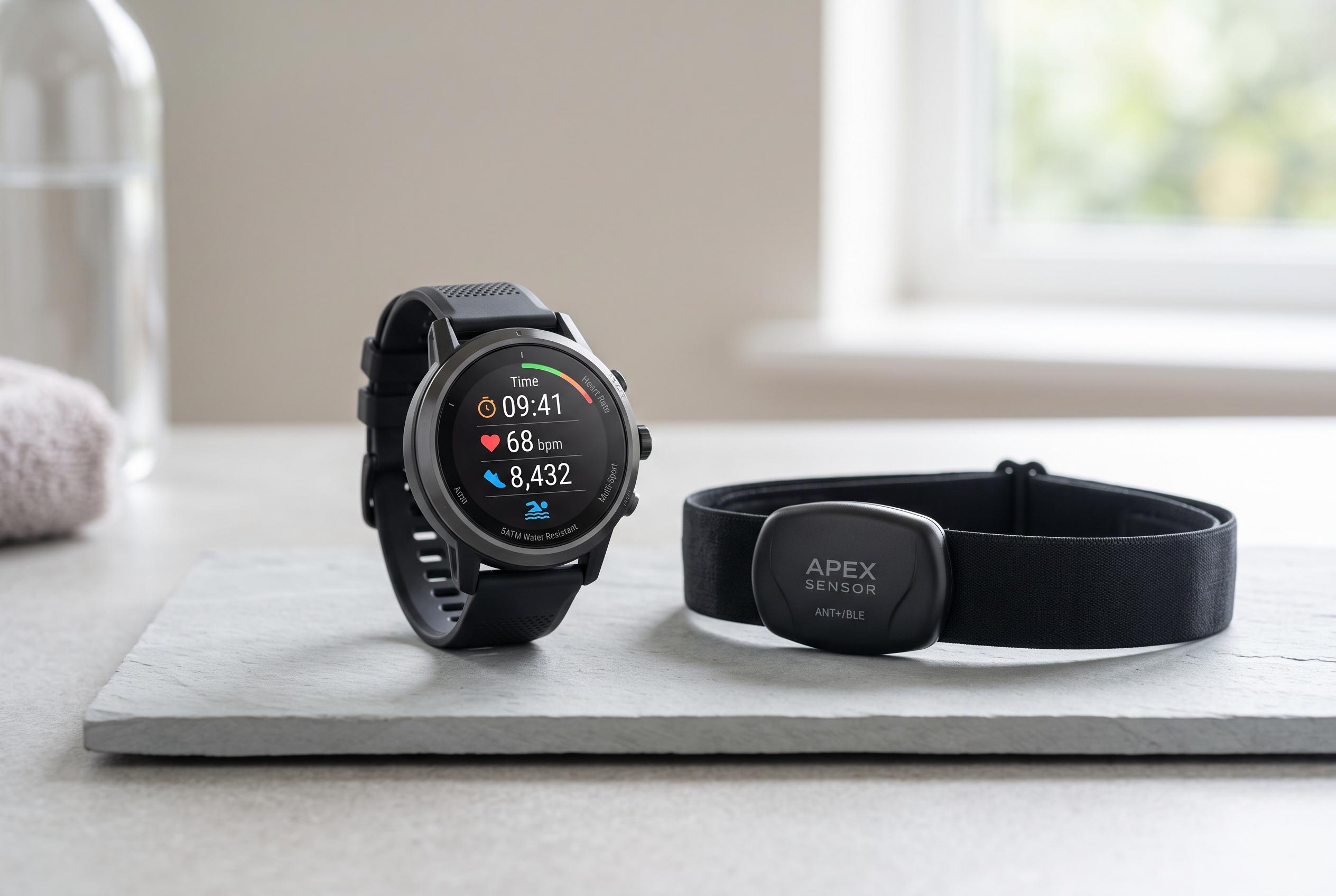
For runners and triathletes, Coros Pace 4 Jakob aims to deliver premium training tools without excess weight. Coros says the watch weighs about 32g with a nylon strap and offers a 1.2-inch AMOLED touchscreen, dual-frequency GPS, an optical heart-rate sensor and up to 41 hours of GPS use. Its appeal lies in the balance between low mass, long battery life and training features, although it stops short of full mapping and is better suited to performance-focused athletes than outdoor explorers.
Several of the other devices target specific sports or conditions rather than general wellness. Form Smart Swim 2 adds an in-lens display for pace, distance, stroke data and heart rate, but relies on a paired watch for GPS in open water. Core 2 measures core body and skin temperature to support heat acclimatisation and race pacing, while Tymewear VitalPro combines ECG and breathing sensors to estimate thresholds without a laboratory test. Flowbio Sensor takes a different approach again, using sweat rate and sodium readings to build hydration guidance for endurance exercise.
The broader health-tracking category is also moving towards subscription-led services. Whoop Life continues to push continuous monitoring and long-term recovery trends, with higher-tier features such as ECG-based atrial fibrillation detection and blood-pressure estimates. Google Fitbit Air offers a cheaper entry point, with up to seven days of battery life and AI-assisted coaching through a premium plan. Tom’s Guide’s comparison of Fitbit and Oura sleep tracking suggests that the market is converging on similar core metrics, even if the devices differ sharply in design and cost.
At the more rugged end, Garmin Fēnix 8 AMOLED remains the all-rounder for outdoor users who want maps, GPS, training tools and durability in one package. TAG Heuer’s Connected Calibre E5 Golf Edition, by contrast, is aimed at players who want premium materials and detailed course mapping. Taken together, the range shows how wearables are splitting into two camps: general-purpose trackers that chase broad health trends, and specialist tools that try to solve one problem exceptionally well.
Disclaimer: This content is intended for informational purposes only. Readers are advised to exercise their own judgement, conduct due diligence, or consult a qualified expert before acting on any information provided.