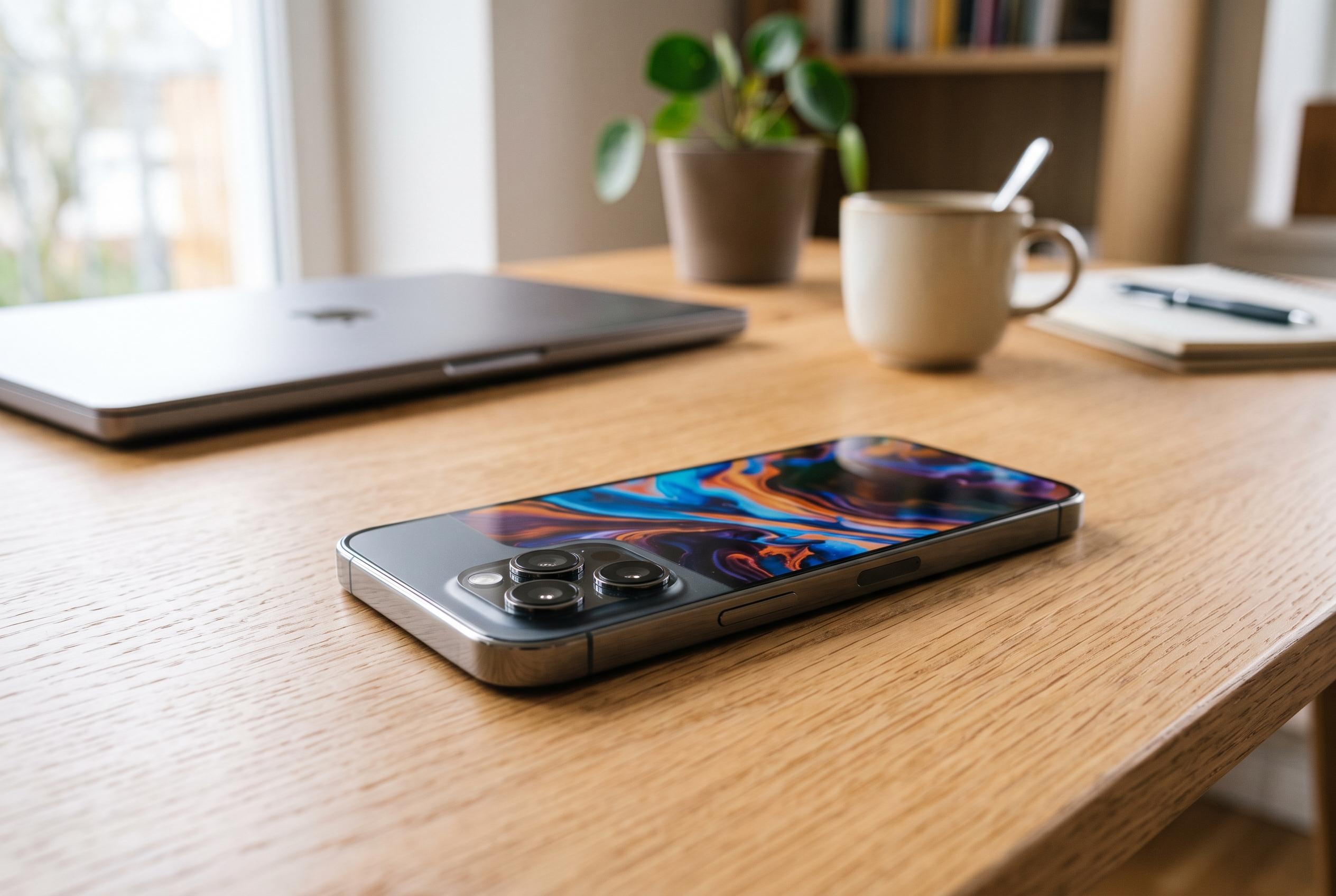

Affordable phones in the sub-$500 category are now packed with high-refresh OLED screens, powerful cameras, and extensive software updates, challenging premium models for value and longevity.
Flagship phones now cost close to the price of a laptop, yet many buyers still need only a device that can handle messaging, maps, work apps, streaming, photography and occasional gaming. In that context, the sub-$500 category has become far more capable than it once was, with high-refresh OLED screens, larger batteries, stronger cameras and longer software support now appearing on phones that sit well below premium pricing.
Google’s Pixel 10a is the most balanced option in the group. It combines a 6.3-inch 120Hz OLED display, a 5,100mAh battery and wireless charging with a 48MP main camera and a 13MP ultrawide. Google also promises seven years of operating system and security updates, which is one of the strongest support commitments in this price range. The main compromise is storage: the base model still starts at 128GB.
For buyers who care more about endurance than polish, HONOR’s X9d is built around battery life and toughness. Its 8,300mAh battery is rated by the company to last more than three days under test conditions, while its durability claims include drop testing from 2.5 metres and IP69K protection. That makes it appealing for travel, long shifts and rougher use, although US buyers would usually need to import it and accept the limits that can bring for warranty and local support.
Motorola’s Moto G Power 2026 remains the clearest option for those trying to stay well under budget. At $299.99, it offers a 5,200mAh battery, microSD expansion up to 1TB and IP68/IP69 protection. Its LCD panel is less advanced than the OLED screens used by some rivals, and Motorola’s update policy is weaker than those of Google and Samsung, but it still delivers a practical mix of battery life, storage flexibility and weather resistance.
Nothing’s Phone (4a) Pro stands out for one specific reason: it gives you real optical zoom. The 50MP periscope camera with 3.5x optical magnification is unusual at this price and is useful when you cannot move closer to a subject. It is paired with a stabilised 50MP main camera and a Snapdragon 7 Gen 4 processor, although the 128GB US version keeps the storage ceiling relatively low.
If raw speed matters most, OnePlus’ Nord 6 is the most powerful choice here. With a Snapdragon 8s Gen 4 chip, UFS 4.1 storage and a 165Hz AMOLED display, it is better suited to gaming and heavier multitasking than the rest of the list. Its 7,500mAh battery and 80W charging add to the appeal, but availability is a major drawback for US shoppers because the model is not launching there in the normal way and would need to be imported.
Samsung’s Galaxy A37 5G is the safest long-term purchase for buyers who keep a handset for years. Samsung promises six generations of Android upgrades and six years of security updates, which gives it a long lifespan on paper. The 6.7-inch 120Hz AMOLED display, IP68 rating and stabilised 50MP camera make it well-rounded, but the $449.99 128GB version leaves little headroom for users whose storage needs grow over time.
Xiaomi’s Redmi Note 15 Pro 5G pushes the hardware further in some areas, particularly the 200MP main camera and the 6.83-inch 1.5K AMOLED display. It also tends to offer generous storage, with 256GB common in many markets. The trade-off is that the camera system is less flexible than the headline specification suggests, because it lacks a dedicated optical telephoto lens, and US buyers will generally be dealing with imports and region-specific variants.
The best choice depends on how you use your phone. The Pixel 10a is the safest all-rounder, the Moto G Power is the value pick, the Nothing model is best for zoom, and the Nord 6 is the performance leader. International models from HONOR and Xiaomi can be excellent on paper, but network compatibility, warranty coverage and return terms matter just as much as raw specifications. For most buyers, the right phone is not simply the cheapest one; it is the one that fits both the budget and the way the device will actually be used.
Disclaimer: This content is intended for informational purposes only. Readers are advised to exercise their own judgement, conduct due diligence, or consult a qualified expert before acting on any information provided.