
Team-BHP’s comprehensive review of 11 electric vehicles highlights the shifting landscape of Indian EV choices, focusing on real-world use, features, and market adaptations, as buyers navigate increasingly diverse options and trade-offs.
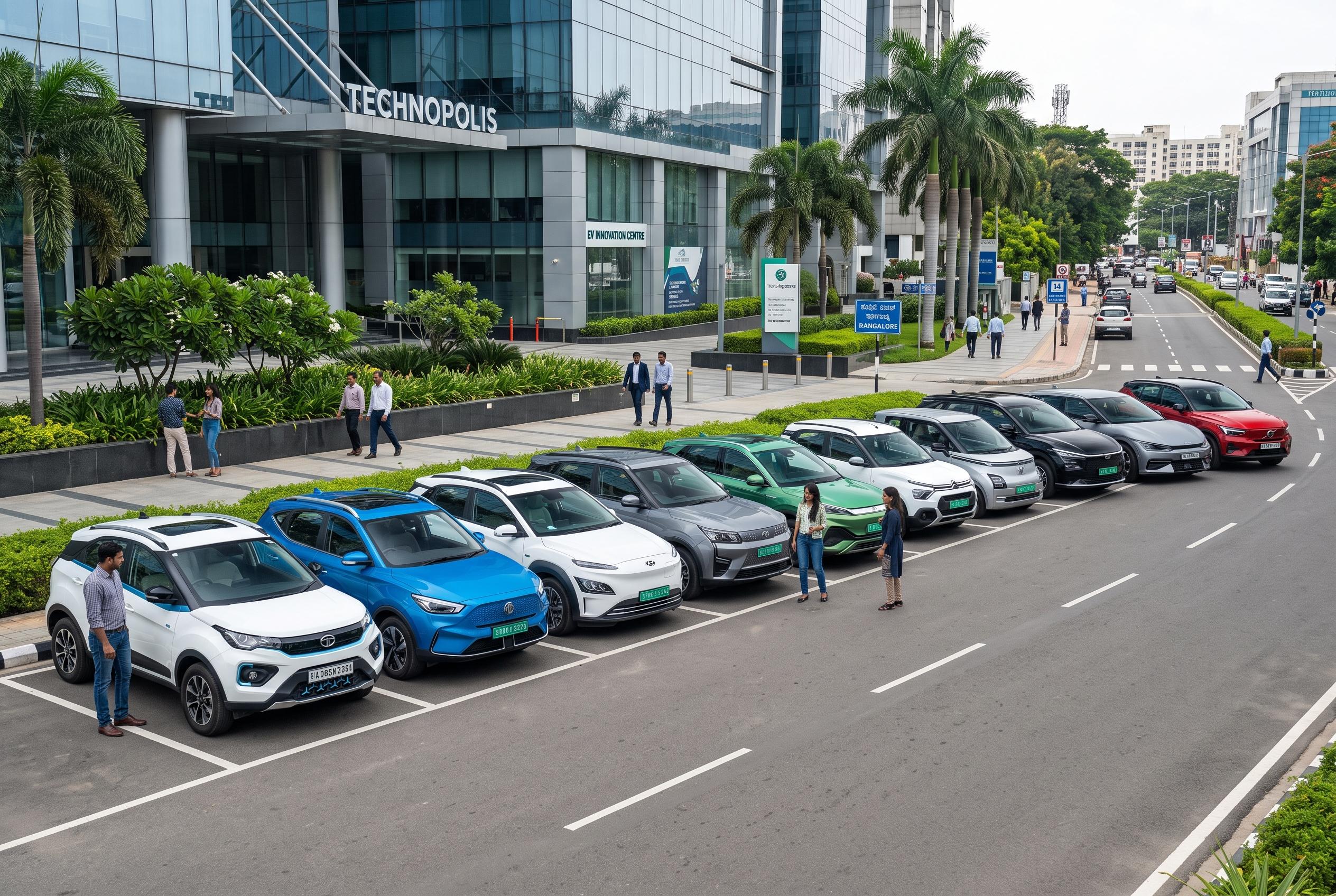
Team-BHP’s back-to-back comparison of 11 electric vehicles places the Kia Syros EV, MG Windsor EV and Tata Nexon.ev among a broad field of mainstream options aimed at Indian buyers weighing range, equipment and day-to-day usability. The exercise is less about outright specifications than about how each model fits real roads, family use and the compromises that come with battery-powered motoring. It also reflects a market that is moving quickly, with more choice across body styles, price bands and ownership models than ever before. Team-BHP’s own summary frames the review as a practical buying guide rather than a simple ranking exercise.
Among the standouts, the Kia Syros EV is presented as a neatly packaged crossover with strong cabin space, a 169 bhp motor and ground clearance that should suit rough urban conditions. The report highlights its feature count, including sliding and reclining rear seats, ventilated seats, a panoramic sunroof and vehicle-to-load functionality, while also noting that the styling remains unusual and the ride can feel firm on larger wheels. Team-BHP’s comments suggest that the rear bench is best for two adults and a child rather than three adults, and that some equipment is reserved for the top X-Line trim. A separate review by MeraEV similarly describes the Syros EV as a well-rounded daily driver with useful range and a strong value case for buyers prioritising practicality.
The MG Windsor EV is positioned differently. According to Team-BHP, it is a crossover MPV that puts comfort and space ahead of conventional SUV styling, with especially generous rear accommodation, a 604-litre boot and a long list of convenience features. The review also notes the Battery as a Service option, which lowers the upfront purchase cost by separating the battery from the vehicle. V3Cars describes the Windsor as a family-oriented urban EV with a premium cabin and a clear focus on comfort, while MeraEV and Car Chaska both underline its real-world practicality and ownership appeal. Across those reviews, the same weaknesses recur: a busy rear ride, a heavy reliance on the touchscreen and missing items such as a rear wiper and spare wheel.
The broader comparison shows how crowded and uneven the electric-car field has become. Team-BHP points to Tata’s Nexon.ev and Curvv.ev for performance and equipment, the Hyundai Creta Electric for balance and dealer reach, and the Tata Sierra.ev for its strong hardware, all-wheel-drive option and unusually long feature list. The common thread is that each model solves a different problem: some favour value, some comfort, some range and some technology. For buyers, the real decision is no longer whether an EV can work, but which compromise matters least.
Disclaimer: This content is intended for informational purposes only. Readers are advised to exercise their own judgement, conduct due diligence, or consult a qualified expert before acting on any information provided.