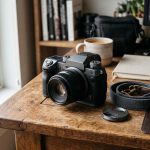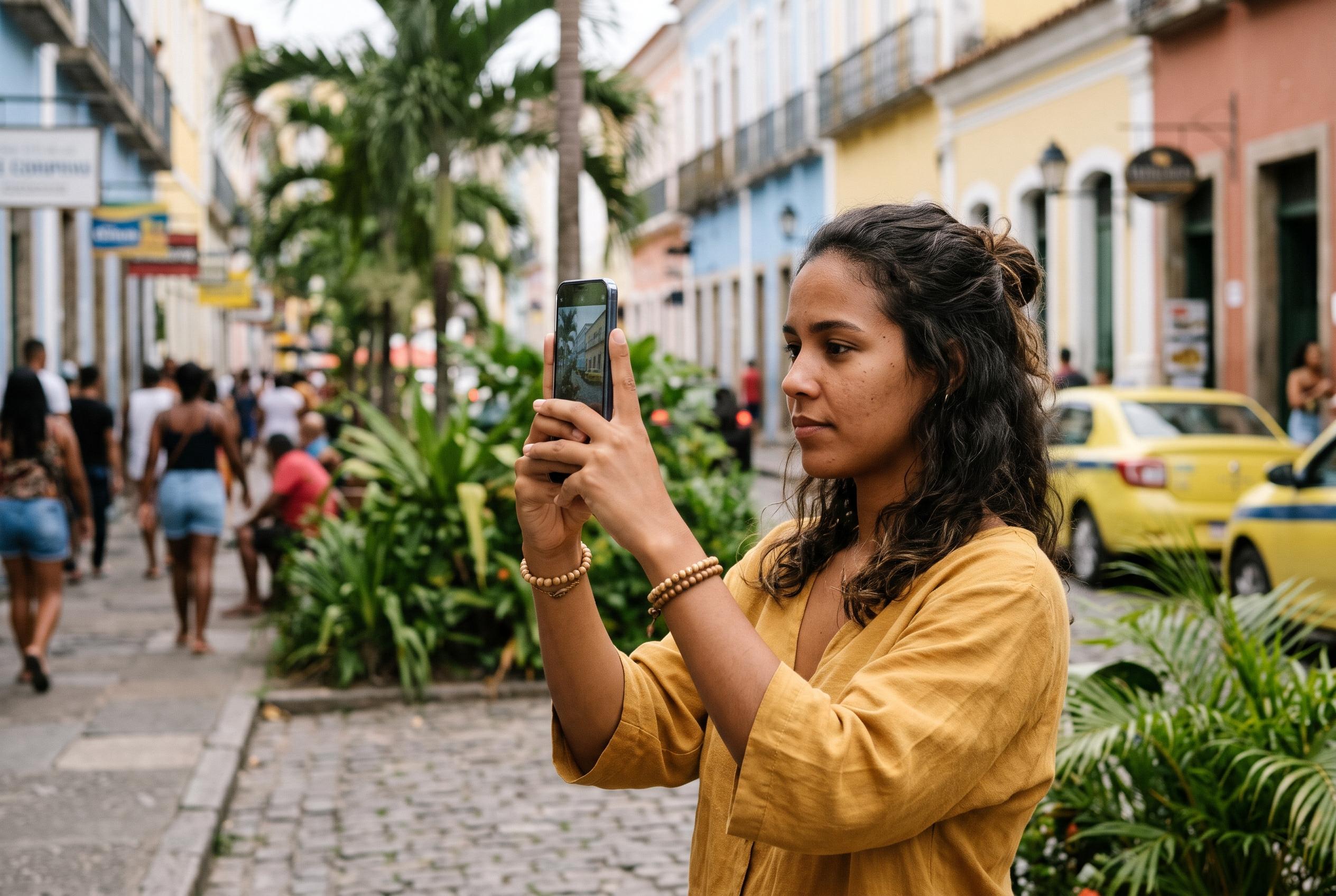

After 5,000 photographs in Brazil, Vivo’s latest imaging flagship is showing a restrained approach to colour and skin tones, while European buyers face higher prices and regional hardware compromises.
The Vivo X500 Pro Max has now reached European and other international markets, and its camera has already spent close to a month on the road in Brazil. After roughly 5,000 photographs and a small number of videos, the early verdict is less about laboratory numbers than about how the phone behaves in real travel conditions: it aims for a restrained, natural look, especially in skin tones, rather than the heavily processed rendering that often marks flagship camera phones. Notebookcheck says the review unit was supplied ahead of the trip by Vivo Austria, but the report is presented as independent and unsponsored.
That matters because the X500 Pro Max arrives at a moment when flagship phone pricing is becoming harder to justify. Notebookcheck notes that the device is available in Europe in more variants than expected, while preorder offers are being used to soften the impact of sharply higher prices linked to the ongoing memory shortage. A separate hands-on report from Spain also suggests that Vivo has had to adapt the European model for local rules, including a smaller 6,750mAh battery than the 8,000mAh pack in the Chinese version.
Vivo’s own European product page highlights a long list of features intended to support that premium positioning, including the BlueVolt battery system, intelligent power management, liquid cooling, IP68 and IP69 resistance, ultrasonic fingerprint scanning and cross-ecosystem connectivity. Yet the launch is not without compromises. According to coverage of the European release, the X500 Pro ships without a charger in the box, while the Pro Max retains the 90W adapter. That makes the Max model the more fully equipped option, even as both phones continue Vivo’s push to present photography as the main reason to buy.
The broader significance of the trip is that the X500 Pro Max is being tested not just as a showcase for Zeiss-branded optics, but as a travel companion in varied and sometimes demanding conditions. The author of the Brazil report says the journey also challenged some of the fears associated with travel in South America, describing it as uneventful for a cautious visitor. Notebookcheck says more material is planned, including future comparisons and a longer-form camera test in Antarctica, suggesting that this first account is only the opening chapter in a wider evaluation of Vivo’s latest imaging flagship.
Disclaimer: This content is intended for informational purposes only. Readers are advised to exercise their own judgement, conduct due diligence, or consult a qualified expert before acting on any information provided.