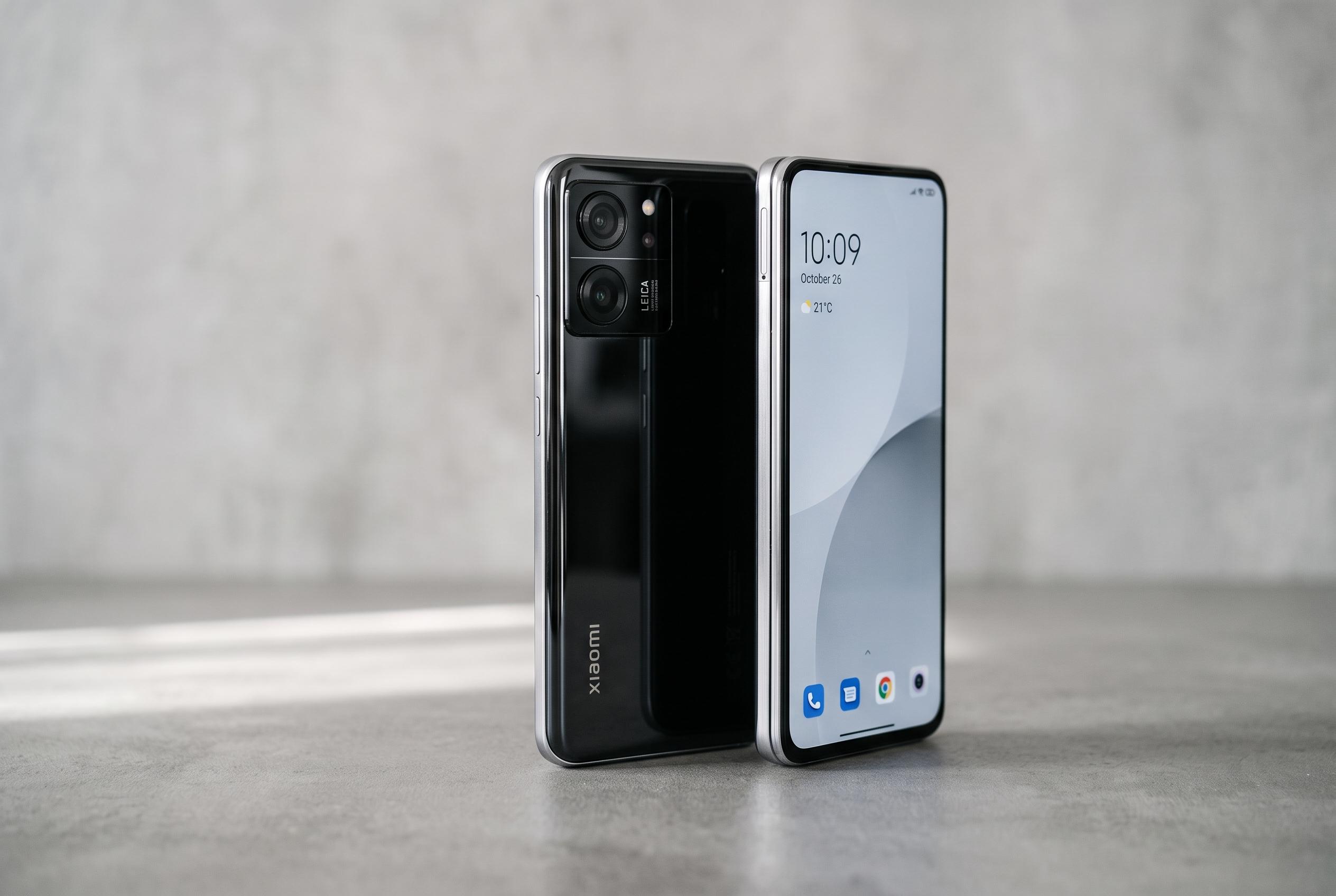

The Xiaomi 17T emerges as a compelling contender in the upper-mid-range segment, offering flagship-like features, a Leica-tuned camera, and robust performance at a significantly lower price point, prompting a reconsideration of traditional flagship value.
In a market where upper-mid-range phones are increasingly hard to separate from true flagships, the Xiaomi 17T makes a strong case for itself. At roughly ₹64,999, it combines a MediaTek Dimensity 8500 Ultra chipset, a premium-looking design and a Leica-tuned camera system that, on paper and in practice, gives it a clear advantage over many rivals in the segment. Reviews from Business Standard, TechRadar and Tech Advisor broadly agree that Xiaomi has aimed the 17T at buyers who want high-end performance without paying full flagship prices.
Design is one of the phone’s cleaner successes. The 17T borrows the visual language of Xiaomi’s mainline flagships, with a flatter frame, rounded corners and a more restrained camera module than earlier T-series models. The violet finish has been singled out as the most distinctive option, while the device is also available in blue, black and other market-specific colours. The plastic frame is a cost-saving measure, but it does not appear to undermine day-to-day durability, and the phone’s IP68 and IP69 ratings add useful protection against water and dust.
The display is another area where Xiaomi has avoided obvious compromise. The 6.59-inch 1.5K AMOLED panel runs at 120Hz and is described by multiple reviews as bright, crisp and well suited to video, gaming and outdoor use. Xiaomi’s claim of peak brightness reaching 3,200 nits is consistent with reports that the screen remains readable in strong sunlight, while support for Dolby Vision and HDR10+ strengthens its appeal for streaming. Several reviews also note the inclusion of eye-comfort features such as PWM and DC dimming, plus a configurable reading mode.
Performance is equally convincing. The Dimensity 8500 Ultra, paired with up to 12GB of LPDDR5X RAM and UFS 4.1 storage, delivers fast app launches, fluid multitasking and strong gaming performance. Benchmarks place it below Xiaomi’s top-end silicon, but real-world use appears to narrow that gap more than the raw numbers suggest. The main criticism is HyperOS itself: reviewers praise its smoothness and broad customisation, but also point to cluttered menus, duplicated Xiaomi apps and some interface choices that feel borrowed from iOS rather than refined for Android. Xiaomi says the phone will receive five years of Android updates and six years of security patches.
Battery life may be the 17T’s most practical strength. Its 6,500mAh cell has been described as comfortably lasting a full day of heavy use, and in some testing it has stretched close to two days. Fast charging at 67W is decent rather than class-leading, but still enough to make top-ups relatively quick, while reverse charging adds a useful extra function. The camera system is the main selling point, though. Reviews consistently highlight the 50-megapixel main sensor, the 50-megapixel 5x telephoto and the ultra-wide lens as a well-balanced set, with the telephoto in particular standing out for detail and reach. Low-light zoom and selfie-camera behaviour are weaker points, but the overall result is a rare mid-premium phone that seems to prioritise image quality over gimmicks.
Disclaimer: This content is intended for informational purposes only. Readers are advised to exercise their own judgement, conduct due diligence, or consult a qualified expert before acting on any information provided.