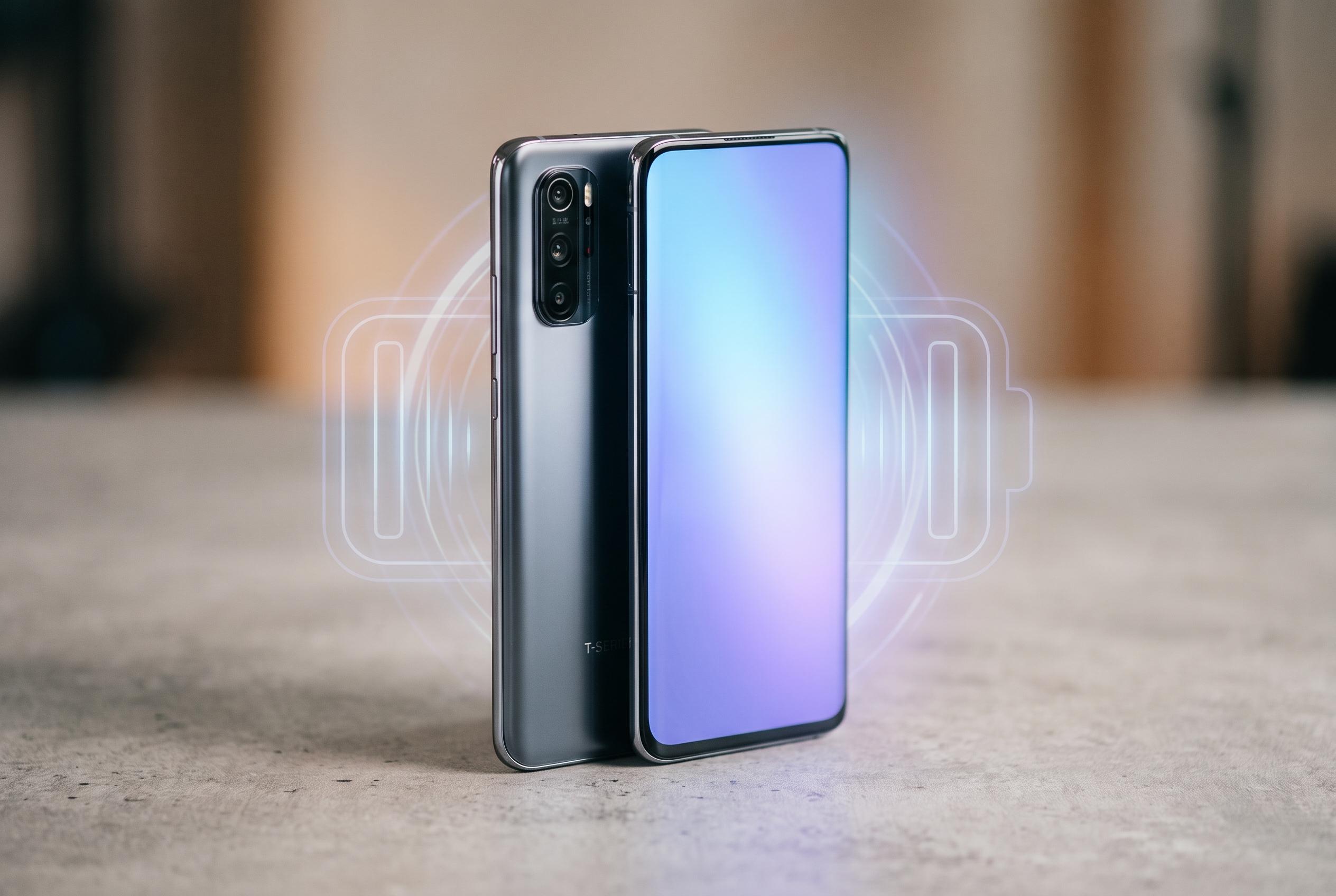

The Xiaomi 17T Pro offers significant improvements over the 15T Pro, including a brighter display, longer battery life, and a more powerful processor, prompting a rethink on its value proposition.
Xiaomi’s T-series has become harder to recommend on value alone. According to Frandroid, the Xiaomi 17T Pro arrives at a noticeably higher asking price than last year’s 15T Pro, which changes the comparison from an easy upgrade story into a more selective choice. The older model was widely praised for offering near-flagship hardware without pushing into premium pricing, whereas the newer phone must justify a larger jump in cost with clear gains.
On paper, the two handsets look closely related. Both use a 6.83-inch AMOLED display with the same resolution, both carry IP68 protection, and both keep the same overall camera layout with a 50-megapixel main sensor, a 12-megapixel ultra-wide lens and a 32-megapixel front camera. Yet the 17T Pro does improve the panel in practice. Frandroid says peak brightness rises, colour handling is better, and the larger model is easier to read outdoors. Industry comparisons from NanoReview and others also point to a 144Hz refresh rate and a peak brightness around 3,500 nits for the newer device, which strengthens its case for use in bright conditions.
The software picture is broadly familiar. Both phones run Android 16 with Xiaomi’s HyperOS skin, and Xiaomi promises five years of Android updates and six years of security patches. Frandroid notes that the interface remains heavy with pre-installed software, but that Xiaomi has expanded its AI tools, including search, writing assistance, transcription and photo editing features. The 17T Pro appears to refine these tools rather than reinventing the experience.
Performance is one of the clearest upgrade areas. The 15T Pro uses MediaTek’s Dimensity 9400+, while the 17T Pro moves to the newer Dimensity 9500. Frandroid says the newer chip is faster overall, although it can throttle more under sustained load. That means the 17T Pro is the stronger choice for buyers who want the newest platform, even if long gaming sessions may still push thermals. TechRadar’s review of the 15T Pro had already highlighted that model’s unusually strong performance for its class, so the newer handset is building on a solid base rather than correcting a weakness.
The most important practical change is battery life. Frandroid says the 17T Pro’s 7,000mAh battery gives it a major endurance advantage over the 15T Pro’s 5,500mAh cell, with test results showing a clear step forward in runtime. It still charges quickly over cable, although the older model is slightly faster to refill. Other comparison sites and TechRadar’s review also describe wireless charging support on both models, with the 17T Pro extending the lead in capacity rather than in headline charging speed.
Camera improvements are narrower, but real. Frandroid says the main and ultra-wide cameras are broadly similar on both devices, yet the 17T Pro’s revised 50-megapixel telephoto unit gives it better long-range detail and more consistent zoom results. The 15T Pro remains a strong imaging phone, especially for a model at its original price, but the newer version is the more versatile option for anyone who uses telephoto framing often. That makes the 17T Pro the better all-round device, even if the gain is incremental rather than dramatic.
In short, the Xiaomi 17T Pro is the more complete phone. It offers the brighter display, the larger battery, the newer processor and the stronger zoom camera. But the 15T Pro remains relevant because it delivered much of this experience at a lower price, and that difference matters. For buyers who want the best Xiaomi T-series phone without compromise, the 17T Pro is the one to take. For those who care more about value, the 15T Pro still makes a strong case.
Disclaimer: This content is intended for informational purposes only. Readers are advised to exercise their own judgement, conduct due diligence, or consult a qualified expert before acting on any information provided.