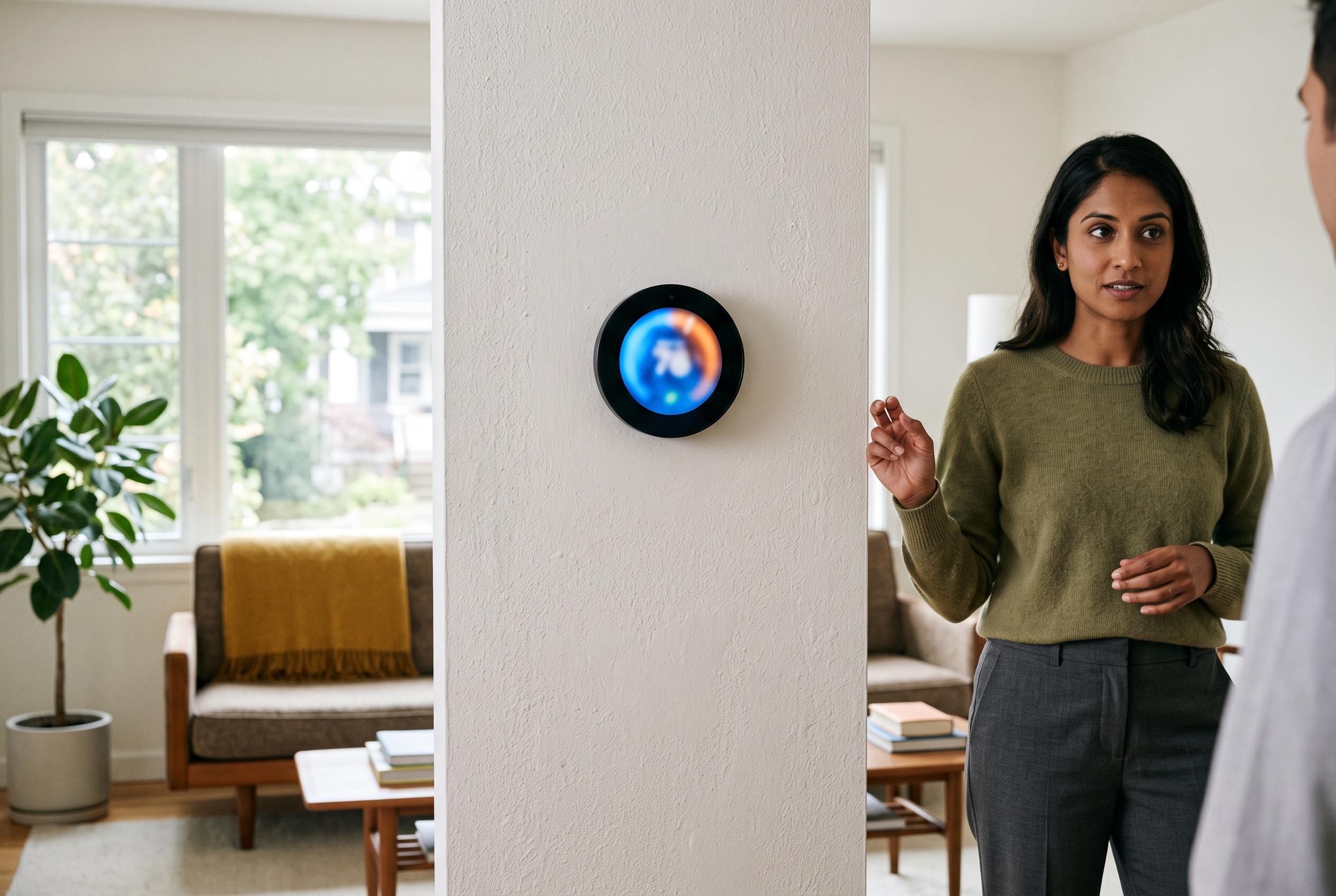

As climate change intensifies summer heat, the latest smart thermostats emphasise personalised installation, compatibility, and practical features, making the right choice a home-specific decision rather than a one-size-fits-all solution.
Smart thermostats have moved from convenience gadgets to practical energy tools, particularly as cooling demand rises in hotter summers. According to comparison guides from ACDirect, Consumer Reports, SmartHomeExplorer and other recent round-ups, the strongest models in 2026 are not defined by one universal “best” choice, but by how well they fit a home’s wiring, HVAC system, voice assistant and room layout. That is the central lesson for buyers: the right thermostat is the one that matches the house as much as the household.
Across the current field, the Google Nest Learning Thermostat 4th Gen and Ecobee Smart Thermostat Premium remain the most frequently recommended premium options. Consumer Reports and several 2026 guides place them among the strongest performers because they combine automation, broad compatibility and strong day-to-day usability. Nest leans on adaptive scheduling and a cleaner interface, while Ecobee is often preferred for homes with uneven temperatures because it supports room sensors and wider smart-home integration.
Feature sets matter more once a home has hot and cold spots. Ecobee’s Premium model is repeatedly highlighted for multi-room sensing, while Honeywell Home’s T9 and T10 are often recommended for larger or multi-storey homes where a single hallway reading is misleading. Reviewers also note that matter-of-fact details such as C-wire requirements, heat-pump support and occupancy sensing can matter more than headline features when installation day arrives.
For buyers seeking lower-cost options, the Amazon Smart Thermostat and Emerson Sensi Touch 2 are commonly positioned as value leaders. The Amazon unit offers a low entry price and basic smart scheduling, while the Sensi is often praised for a simpler privacy stance and free access to core features. Several guides also point out that these models can deliver much of the same remote-control convenience as premium devices, even if they lack the more advanced sensing and automation of pricier rivals.
The practical buying advice is consistent across the latest reviews. Check the wiring behind the existing thermostat, confirm whether a C-wire is present, verify heat-pump compatibility where relevant, and make sure the device works cleanly with the home’s preferred ecosystem, whether that is Google Home, Alexa, Apple HomeKit or SmartThings. Several guides also recommend checking local utility rebate programmes before purchase, since ENERGY STAR-certified thermostats often qualify for incentives that can offset a meaningful part of the cost.
The broader conclusion is unchanged: there is no single smart thermostat that suits every home. The best premium all-rounder, according to the latest testing and review round-ups, is still the Ecobee Smart Thermostat Premium for feature depth and room-by-room flexibility, while the Nest Learning Thermostat 4th Gen is the more natural fit for buyers who want a tidier, more automated Google-centred experience. For many households, though, the most important result is simply lower energy waste and steadier comfort during the hottest months of the year.
Disclaimer: This content is intended for informational purposes only. Readers are advised to exercise their own judgement, conduct due diligence, or consult a qualified expert before acting on any information provided.