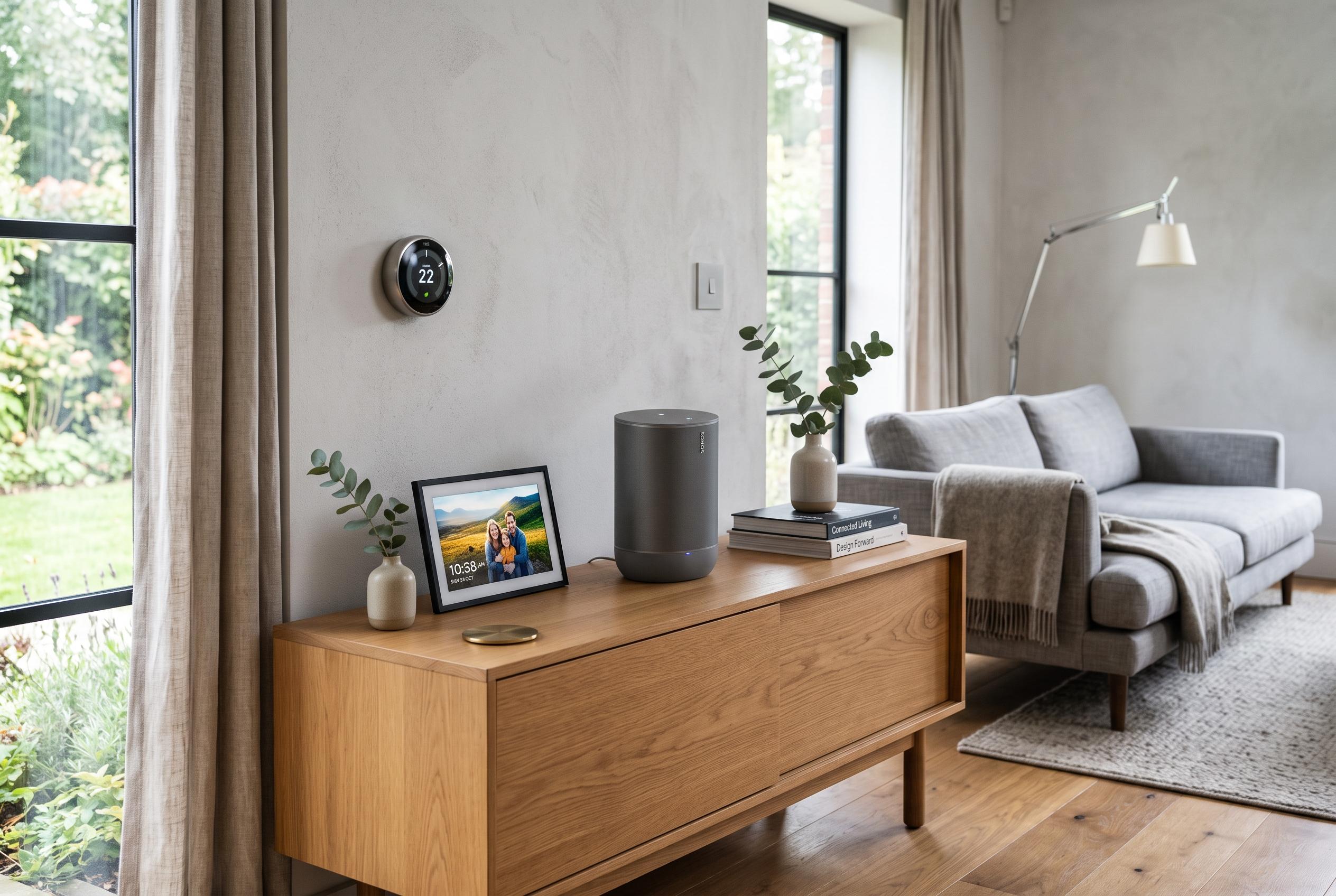

Amazon’s integration of the Model Context Protocol for Alexa+ signals a significant shift in how AI systems will connect with devices, aiming to reduce fragmentation, boost scalability, and merge household automation with commerce.
Amazon’s move to adopt the Model Context Protocol for Alexa+ marks more than another software update. It points to a broader shift in how AI systems will connect to the tools around them. AWS’s own explanation of the 2026-07-28 MCP specification says the protocol has become stateless, removing the old session handshake and making each request self-contained. The same update also tightens authorisation and adds lifecycle guarantees meant to reduce future breakage, changes that matter if Alexa+ is to work reliably across many devices and brands. (aws.amazon.com)
For consumers, the immediate appeal is simpler control. Reports from T3 say Amazon has broadened Alexa+ compatibility to devices from Bosch, Delta, Ecovacs, Govee, iRobot, Twinkly, Yale Home, Whirlpool, Tapo and Eufy, with the assistant able to route requests to the right device. Eufy already documents Alexa integration for its own products through the eufyHome skill, which shows how fragmented the smart-home setup has traditionally been. Amazon’s pitch is that MCP can reduce that fragmentation by letting brands connect through a common interface rather than forcing users into separate apps and logins. (t3.com)
The more important change is technical. AWS says the latest MCP version removes the need for an initial handshake and lets servers discover capabilities on demand, which should make large-scale deployments easier. That matters because Alexa+ is not just acting as a voice layer; it is becoming a routing layer for requests that involve devices, services and, increasingly, transactions. Forkast says Amazon Wallet is being tied into the MCP toolkit and category software development kits, allowing checkout inside the conversation flow. The result is a tighter link between household automation and commerce, with Amazon positioned to benefit each time a device-triggered task leads to a purchase. (aws.amazon.com)
Amazon is not alone in treating MCP as infrastructure rather than a novelty. TechRadar reported that Zendesk has also adopted the standard, adding both client and server capabilities to connect AI agents with external systems while exposing its own data to other tools. That broader uptake suggests MCP is becoming a common layer for AI interoperability, even as the practical test remains whether these integrations can work cleanly outside developer previews. Forkast notes that Amazon’s Alexa+ features were still in preview in July 2026, so the real measure will be stability, security and ease of use once the systems are under everyday household load. (techradar.com)
Disclaimer: This content is intended for informational purposes only. Readers are advised to exercise their own judgement, conduct due diligence, or consult a qualified expert before acting on any information provided.