
With the approach of cooler weather and the start of the school year, August is highlighted as an ideal period for homeowners to upgrade to smart thermostats that optimise energy use and enhance home control, according to industry experts and energy guidance.
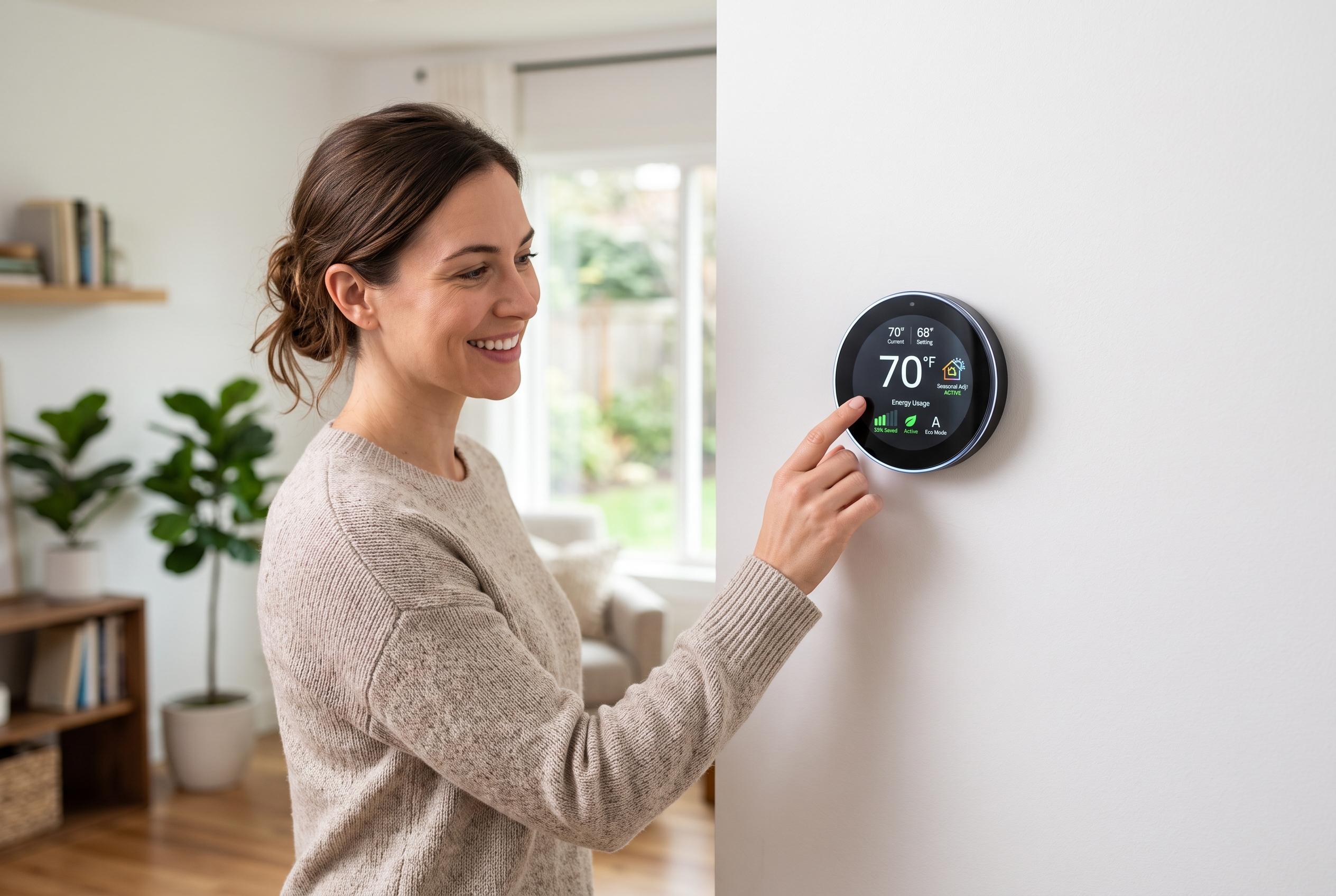
August is a practical moment for homeowners to think about a smart thermostat, according to Alert 360 and Patrick Bergeron, the company’s regional vice president. With summer routines giving way to the school year and cooler weather not far off, the company argues that late summer is an ideal time to install a device that can manage heating and cooling more intelligently than a standard manual thermostat.
That pitch is backed by broader energy guidance. The U.S. Environmental Protection Agency’s ENERGY STAR programme says smart thermostats are Wi-Fi enabled devices that automatically adjust temperature settings for better efficiency, while the New York State Energy Research and Development Authority says thermostats control a large share of household energy costs and can be one of the quickest ways to save money. Consumer Reports has also said ENERGY STAR-certified models save users an average of 8% on utility bills, although the exact figure depends on household habits, climate and the system in place.
The appeal is mostly in automation. Rather than cooling or heating an empty house, a smart thermostat can follow a schedule, respond when occupants are asleep or away and, in some models, use motion sensors or geofencing to detect when people are home. The Department of Energy has said lowering or raising the temperature by 7 to 10 degrees Fahrenheit for eight hours a day can cut heating and cooling use by about 10%, and smart thermostats are designed to make that kind of setback easier to maintain consistently.
Alert 360 says its thermostats are intended to work alongside the company’s broader smart home system, including cameras, locks and lighting, with control available through a mobile app. That combination of remote access and integration is part of the reason many homeowners choose the devices, especially if they want one system that can handle comfort and security at the same time. The Week reported that upfront costs can range from about $100 to more than $350, plus installation, but that savings may offset the expense within one to two years for some households.
For Bergeron, the case is straightforward: a thermostat should adapt to the way people live, not the other way round. That message fits a wider industry view that smart thermostats can reduce wasted energy while improving convenience, particularly when installed before the weather turns.
Disclaimer: This content is intended for informational purposes only. Readers are advised to exercise their own judgement, conduct due diligence, or consult a qualified expert before acting on any information provided.