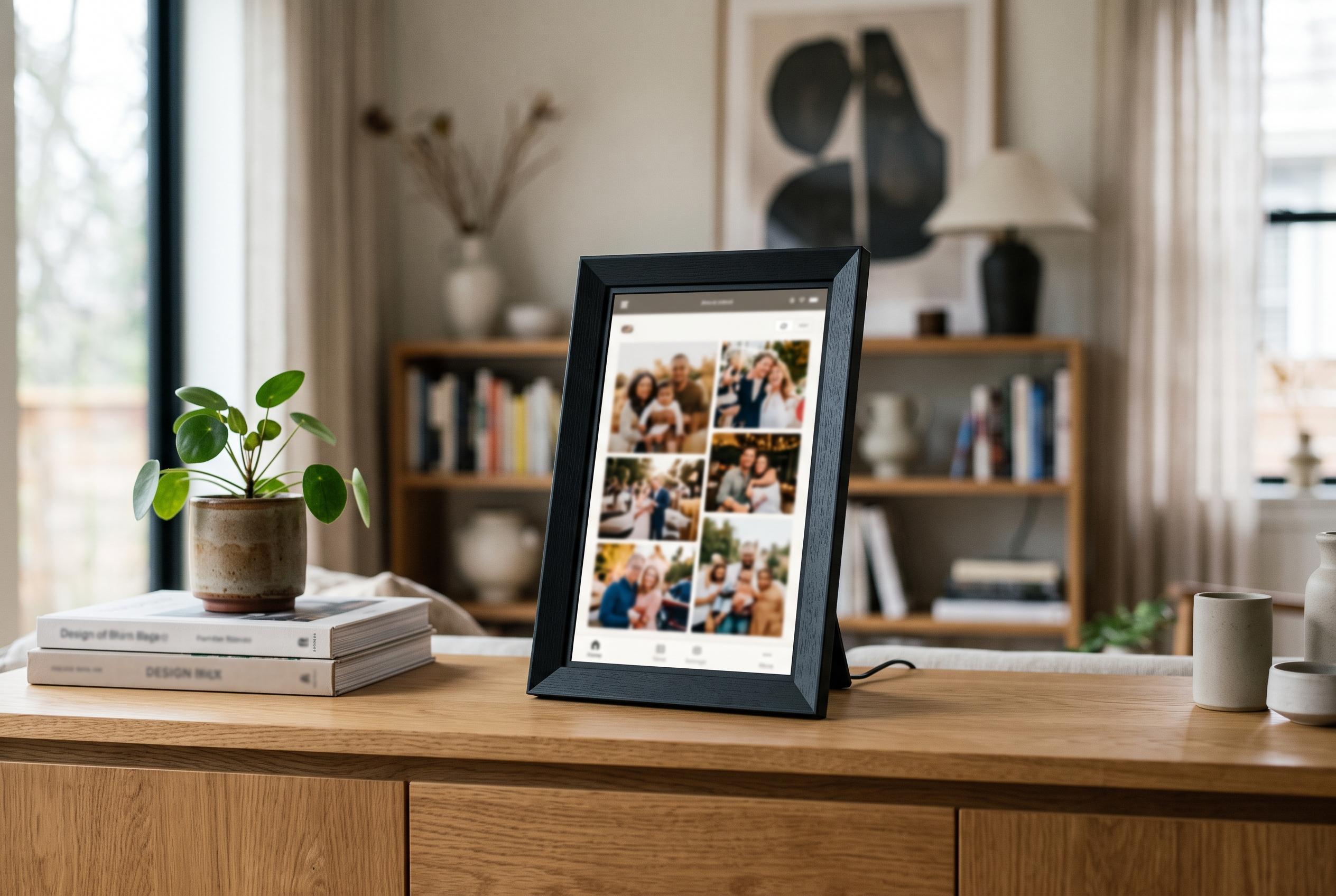

As digital photo frames become integral to the connected home, concerns over personal data security, permissions and lifecycle management are prompting buyers to rethink what ‘convenience’ means for private media.
Buying a connected digital photo frame now involves more than checking screen size, resolution or storage. The sharper issue is how personal photographs are moved, who can see them, what remains on the device and what happens when ownership changes. The Klay Studio says those questions matter because these frames can hold years of family images, including pictures that users may not want exposed if the device is sold, gifted or replaced.
The publication’s review of the Uhale ecosystem places privacy and access control alongside the product’s everyday convenience. It says the system is designed around photo-sharing, multiple contributors and mobile access, but that each of those functions also raises practical questions about permissions, pairing and where data is handled. The review also notes trade-offs familiar to many connected devices, including reliance on local Wi-Fi and the absence of a conventional central backup.
That framing reflects a wider shift in consumer technology. A family buying a digital frame is no longer simply choosing a display; it is also deciding how personal media will travel through an app, a home network and the hardware itself. According to The Klay Studio’s buyer-focused checklist, the key questions are straightforward: how images are transferred, who can add content, how unwanted users are removed and whether photographs are stored locally, remotely or in both places.
The Uhale Photo Blog adds another layer to that discussion by publishing material on photo protection, physical access and data transmission within the Uhale environment. Its guidance suggests that security is not only about the initial pairing process, but also about limiting exposure once the frame is installed in a home. The Klay Studio’s FAQ section similarly says the system uses encrypted connections, account-based access and controlled pairing to help households manage sharing more carefully.
The most overlooked risk may appear at the end of a device’s life. A frame that seems secure in normal use can still retain personal material if it is passed on without a proper reset. Uhale’s own instructions on factory resetting the frame and clearing data focus on removing local content and settings before transfer. That makes lifecycle management a central part of privacy rather than an afterthought.
The broader lesson is that connected photo frames are becoming part of the connected home in the same way as speakers, cameras and displays: simple to use, but capable of handling highly sensitive information. For buyers, the practical test is not just whether the frame can display remote photos. It is whether the product gives them clear control over collection, access, storage and deletion throughout the period they own it.
Disclaimer: This content is intended for informational purposes only. Readers are advised to exercise their own judgement, conduct due diligence, or consult a qualified expert before acting on any information provided.