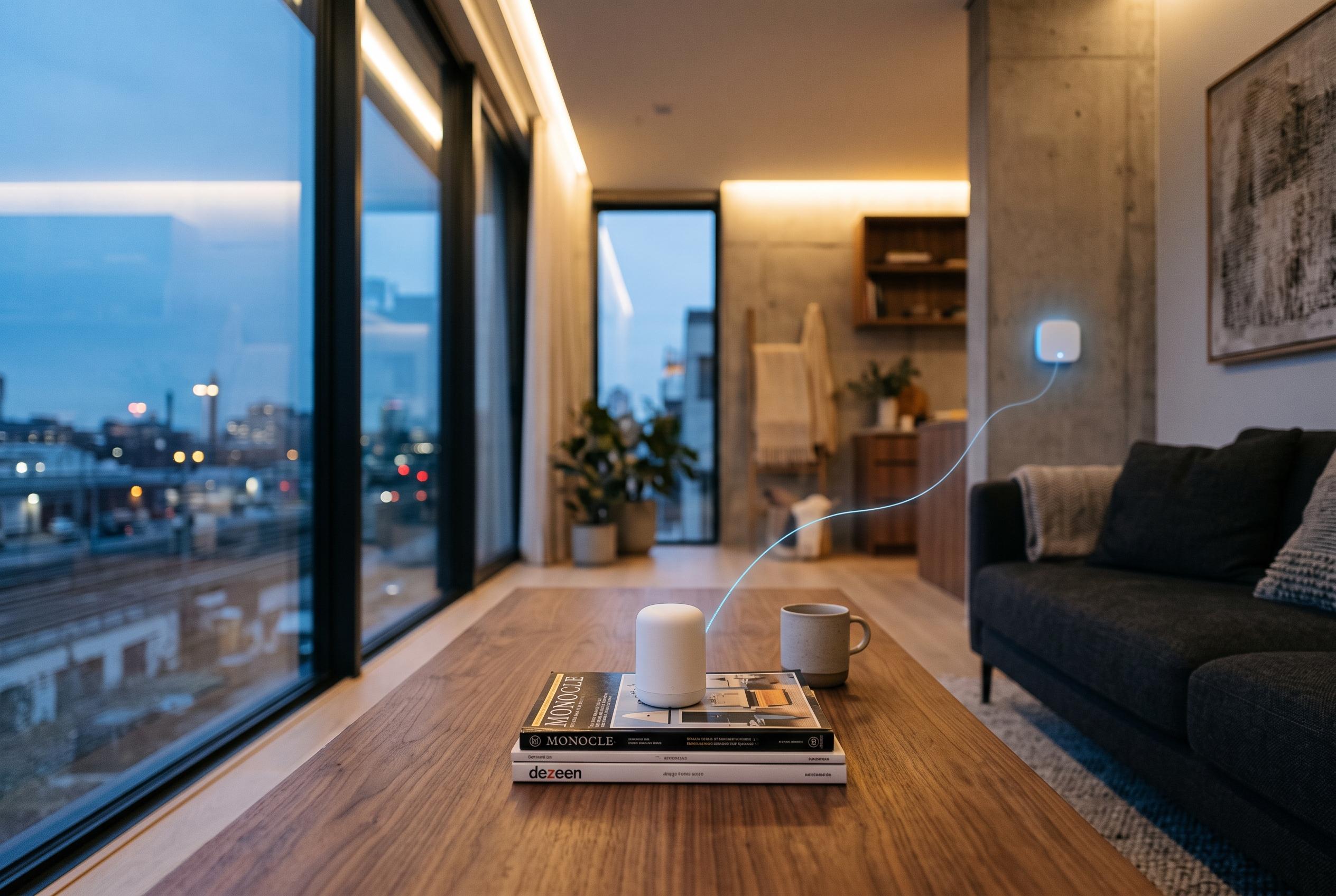

The CSA has launched certification for Suzi, a sub-GHz extension for Zigbee, enhancing long-range, low-power connectivity for industrial, municipal, and home applications, marking a significant step in IoT standardisation.
The Connectivity Standards Alliance has opened certification for Suzi, its sub-GHz extension to Zigbee, marking the next stage in a plan to push the wireless standard beyond the short-range limits of the 2.4GHz band. The move follows the earlier Zigbee 4.0 release, which added Suzi as part of a broader update to security and device onboarding. According to the Alliance, the aim is to give manufacturers a standardised route to market for longer-range, low-power and interoperable connected devices.
Suzi is designed for environments where ordinary Zigbee links can struggle, including large buildings, industrial sites, campuses and outdoor installations. By operating in sub-GHz spectrum such as 800MHz in Europe and 900MHz in North America, it is intended to improve range, wall penetration and resilience in crowded radio conditions. The Alliance says the technology keeps Zigbee’s mesh networking approach while reducing reliance on repeaters in larger deployments.
The certification programme is intended to ensure that products from different vendors work together and meet security requirements aligned with current best practice. Industry coverage of Zigbee 4.0 has also highlighted additional security features, including Dynamic Link Key support and Smart Energy Authentication Level Control, while preserving compatibility with existing Zigbee 3.0 and Smart Energy profiles. That backward compatibility matters because Suzi is meant to extend existing networks rather than replace them.
The Alliance also says bridge devices will be important to the transition, allowing 2.4GHz and sub-GHz devices to operate within the same wider deployment. In practical terms, that should let manufacturers and operators expand current installations without a full redesign. For the wider IoT market, the significance of Suzi is less about novelty than about standardising long-range mesh networking for use cases ranging from the smart home to industrial and municipal systems.
Disclaimer: This content is intended for informational purposes only. Readers are advised to exercise their own judgement, conduct due diligence, or consult a qualified expert before acting on any information provided.