
Emerging DIY home security systems now challenge traditional professionally installed setups by focusing on faster response times, smart compatibility, and flexible ownership options, with SimpliSafe leading the pack for balance and agility.
DIY home security with professional monitoring has become a practical middle ground between full-service alarm contracts and self-managed cameras. The appeal is straightforward: homeowners can buy equipment outright, install it themselves and still get a monitoring centre that will escalate an alarm if needed. Recent reviews from PCWorld, Consumer Reports, Tom’s Guide and NerdWallet all point to the same broader trend: the strongest systems now compete on response speed, app control, smart-home compatibility and the real cost of ownership, not just on sticker price.
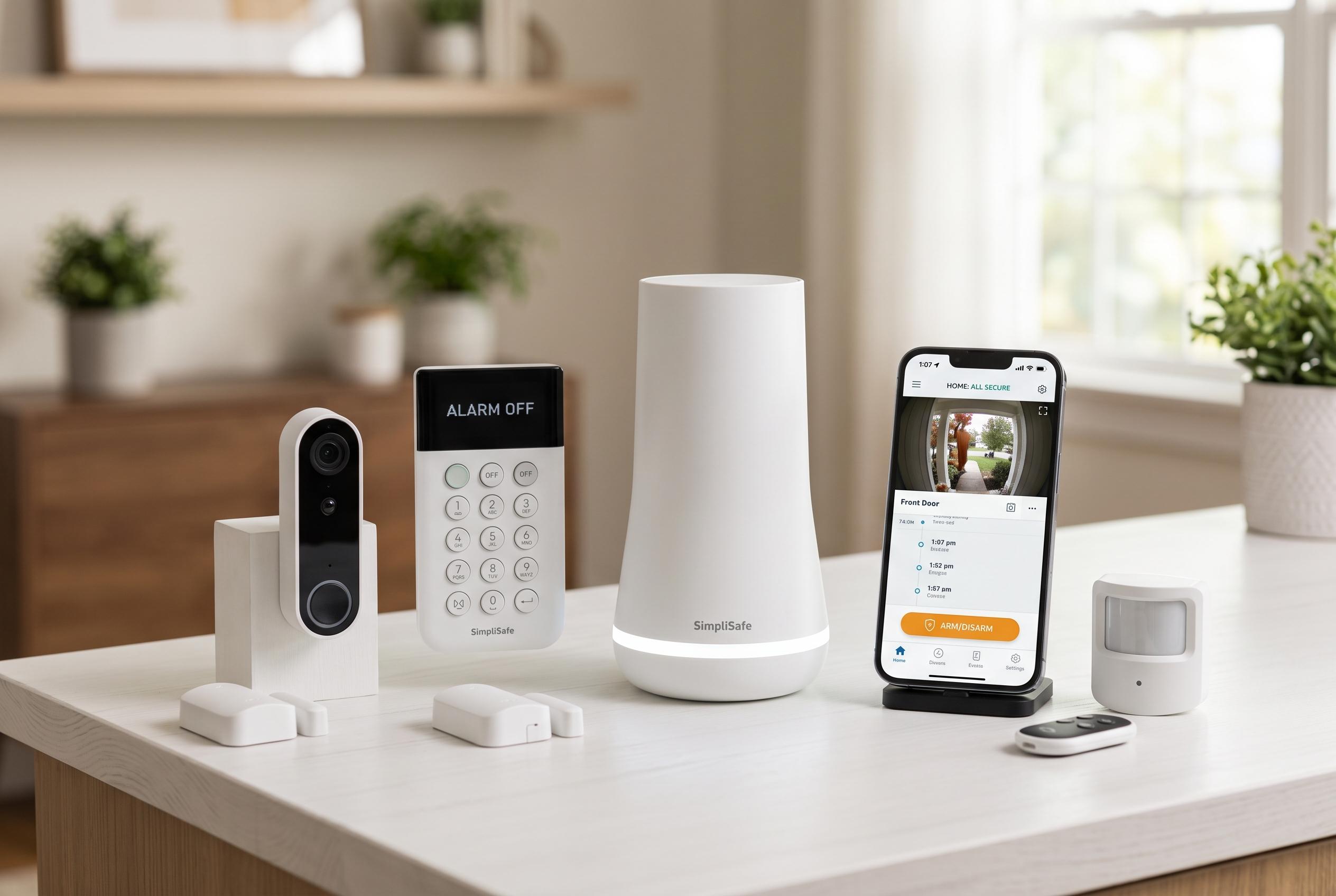
Among the systems reviewed most often, SimpliSafe stands out as the most balanced choice. SecuritySystemsReview.com says it combines no-contract monitoring with fast response times, while other round-ups consistently place it near the top for ease of use and overall value. The practical advantage is that it offers both a free self-monitoring tier and paid professional plans, which gives buyers room to start small and upgrade only if they want live intervention and video verification.
Response time is one of the clearest differentiators in this category. The Geek Extreme summary says SimpliSafe was the fastest in testing at about 10 seconds, while Ring Alarm Pro averaged about 45 seconds and ADT Blu came in around 29 seconds. That gap matters because monitoring delay can affect whether an incident is interrupted early or discovered after the fact. The same summary also notes that systems with video verification can speed up police dispatch because agents can confirm a threat before escalating.
Ring Alarm Pro remains compelling for a different reason: it is not just an alarm, but also a Wi-Fi 6 mesh router. PCWorld and Tom’s Guide both highlight its strong camera ecosystem and the convenience of bundling networking hardware with security equipment. The trade-off is privacy sensitivity and a slower monitoring response than SimpliSafe, so it suits buyers who value cameras, connected devices and a single hardware stack more than absolute response speed.
Abode is the strongest option for people building a broader smart-home setup. Tom’s Guide and PCWorld both emphasise its support for major platforms and automation protocols, making it a better fit for users who want security rules to interact with lights, locks and routines. That flexibility comes with a narrower hardware range than some rivals, but for homeowners already invested in connected devices, it is often the most adaptable platform in the group.
Price comparisons are less simple than they first appear. The Geek Extreme summary says Cove has the lowest entry cost for equipment, but the app requires a subscription, which makes its no-contract marketing less generous in practice. Consumer Reports and NerdWallet both stress that buyers should weigh setup convenience against recurring fees, not just the starter kit price. Over time, monitoring, battery replacements, permits and add-ons can matter more than the initial bundle.
For most buyers, the decision comes down to priorities rather than brand loyalty. SimpliSafe is the best all-rounder for speed and flexibility. Ring Alarm Pro is strongest for cameras and networking. Abode is the better choice for smart-home control. Cove suits those who want the lowest initial outlay and do not mind a subscription. ADT Blu offers a more traditional brand with solid camera intelligence. Across the reviews, the common lesson is that DIY no-contract monitoring is now mature enough to compete with older professionally installed systems, provided buyers pay attention to the real terms, not the marketing.
Disclaimer: This content is intended for informational purposes only. Readers are advised to exercise their own judgement, conduct due diligence, or consult a qualified expert before acting on any information provided.