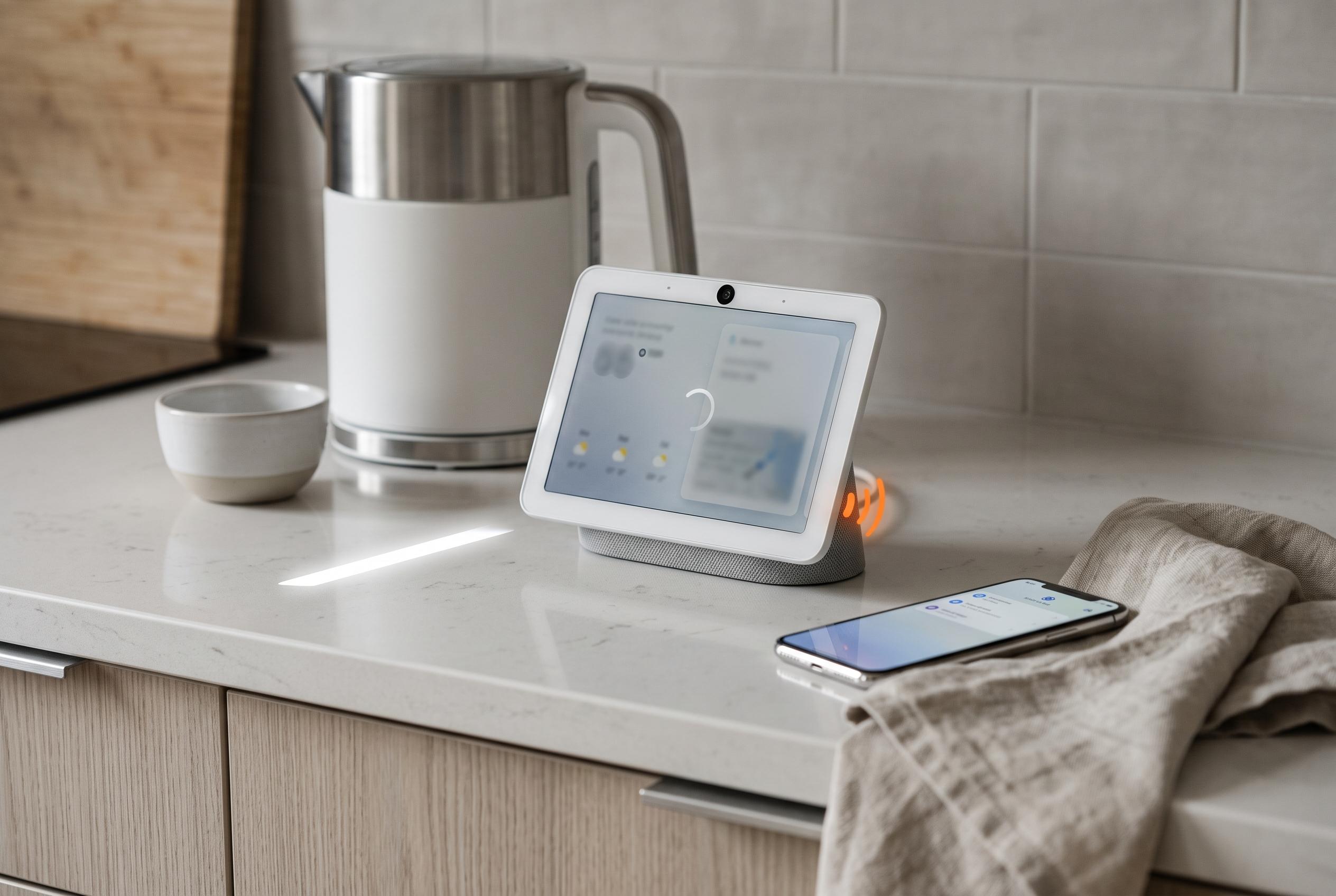

Google’s transition from Assistant to Gemini for Home has sparked criticism over slower performance and unreliable routines, prompting some users to seek local alternatives amid ongoing rollout challenges.
Google’s move from Assistant to Gemini for Home is landing badly with a sizeable part of its smart home audience. The backlash is not simply about change for its own sake. It is about speed, reliability and control, three traits that many users regard as non-negotiable in a home automation system. Reports from XDA Developers, TechRadar and PCWorld suggest the new experience is being judged less as a smarter assistant than as a slower and less predictable replacement.
The central complaint is that Gemini for Home appears to trade deterministic command execution for a more conversational, cloud-dependent system. That may suit open-ended queries, but it is a poor fit for basic tasks such as switching off lights or triggering routines. XDA Developers argues that the change has introduced delays, occasional misfires and awkward follow-up prompts, while TechRadar says users have described the assistant as painfully slow and sometimes wrong on simple tasks.
Google has also acknowledged that the launch is unfinished. According to PCWorld, the company warned that Gemini for Home would arrive with “rough edges” as it replaces Google Assistant on smart devices. That caution aligns with the wider user reaction, where people have reported broken routines, problems with voice triggers and inconsistent behaviour on smart displays. TechRadar reported that Google is proceeding with a global rollout despite the criticism.
Another source of frustration is the pricing model. PCWorld reported that some features, including live conversations, are being tied to a Premium subscription, creating confusion about what is included at no extra cost. XDA Developers says that has pushed some users towards local-first systems such as Home Assistant, which can keep voice control, automations and device coordination running without a permanent cloud dependency. In that model, the appeal is not artificial intelligence for its own sake, but faster response, local reliability and fewer surprises.
For now, Gemini for Home looks less like a polished upgrade than a reminder that smart home software still has to do the basics well. Google has promised improvements, but the early verdict from a vocal segment of users is clear: they would rather have a silent command runner than a talkative assistant that slows the room down.
Disclaimer: This content is intended for informational purposes only. Readers are advised to exercise their own judgement, conduct due diligence, or consult a qualified expert before acting on any information provided.