
A recent outage reveals that Google’s smart home ecosystem remains vulnerable due to reliance on remote services, prompting calls for more local control solutions like Home Assistant to ensure resilience.
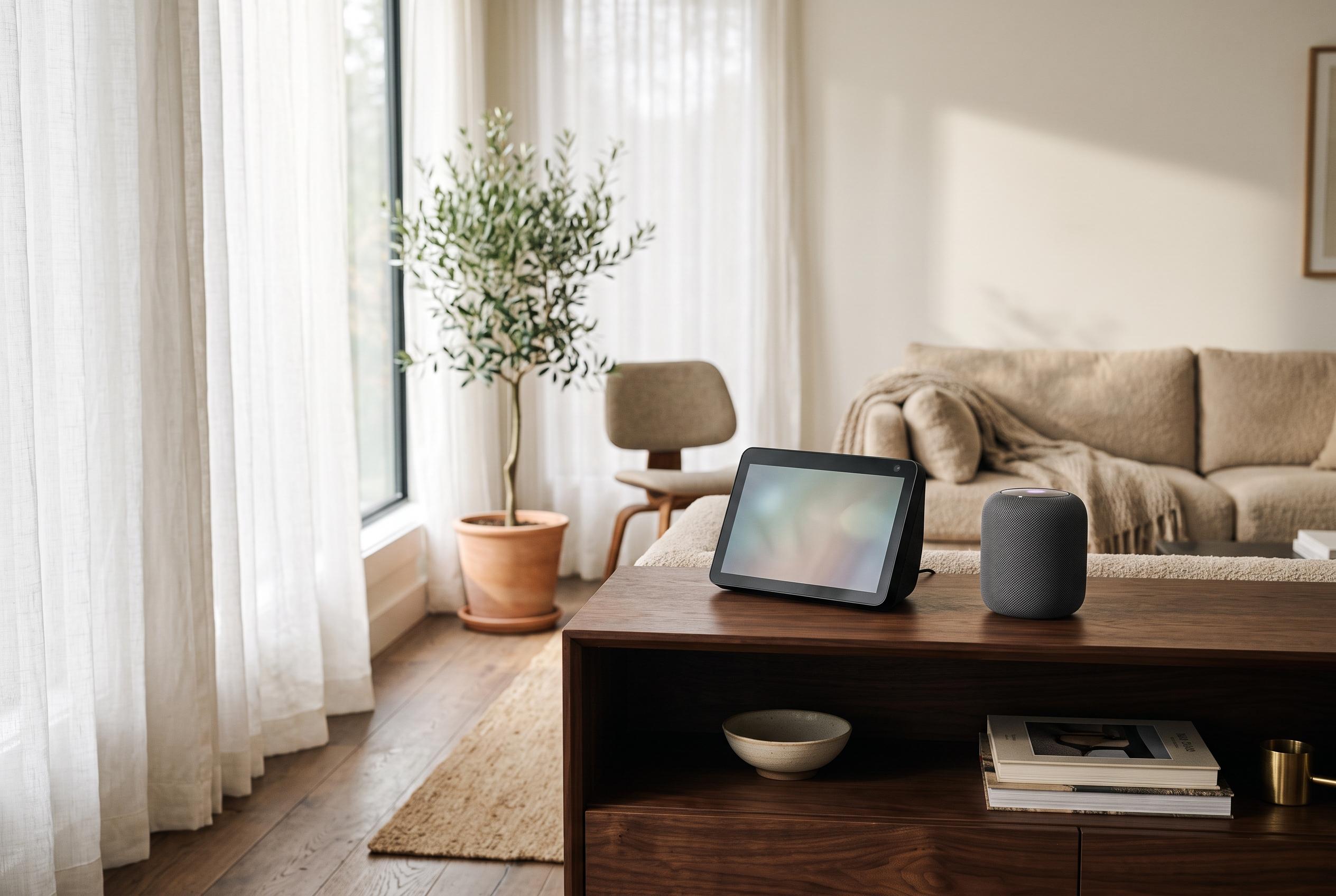
A modern smart home can feel immediate and dependable until the internet, or a cloud service several layers away, stops cooperating. That is the lesson behind a recent Android Police account of a Google-based home that failed to carry out routines and voice commands during an August 2026 outage. The problem was not limited to one bad moment, the piece argued, but to a broader design flaw: too many everyday actions still depend on remote services rather than equipment inside the home.
The technical weakness is easy to miss because cloud-mediated control is usually fast enough to seem local. A command can travel from a speaker or phone, through an internet provider, into a Google data centre, then onwards to a third-party platform before a bulb or plug finally responds. In practice, that means each extra hand-off introduces another point of failure. TechTarget reported that a June 2025 Google Cloud outage, caused by an invalid automated quota update in Google’s API management system, disrupted a wide range of Google services and third-party platforms, illustrating how a single backend fault can cascade outward.
Matter was meant to reduce that fragility by making local execution the default. Under the standard, a supported device can respond over the home network rather than relying on a round trip to the cloud. Google helped develop Matter, but Android Police noted that its early implementation still sent basic commands through remote services for roughly two years. Google then introduced local control for Matter devices through Home Runtime in January 2025, bringing its platform closer to the standard’s original intent.
Even so, local device control does not automatically make the entire smart home resilient. Automations, schedules and scene logic can still live on a vendor’s servers, which means the system’s “brain” may remain outside the house even when the light switch no longer is. Android Police said Google has begun allowing some automations to run locally on its hubs, but the company’s own terms still indicate that automations depend on an active internet connection and Google services.
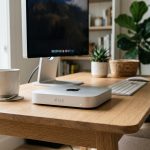
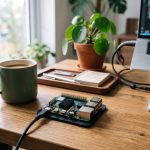
For homeowners who want the rules of the house to survive a cloud outage, the practical answer is to move those rules onto hardware they control. Home Assistant is the most obvious example: an open-source platform designed around local control and privacy, with support for more than 3,000 devices and the ability to run on personal hardware such as a Raspberry Pi or a small dedicated box. In a mixed setup, Google can remain the voice interface while Home Assistant handles the schedules and automations that should not vanish when a data centre has a bad day. The broader point is simple: if a light is supposed to come on when someone walks past a sensor, it should do so every time, not only when a cloud service is healthy.
Disclaimer: This content is intended for informational purposes only. Readers are advised to exercise their own judgement, conduct due diligence, or consult a qualified expert before acting on any information provided.