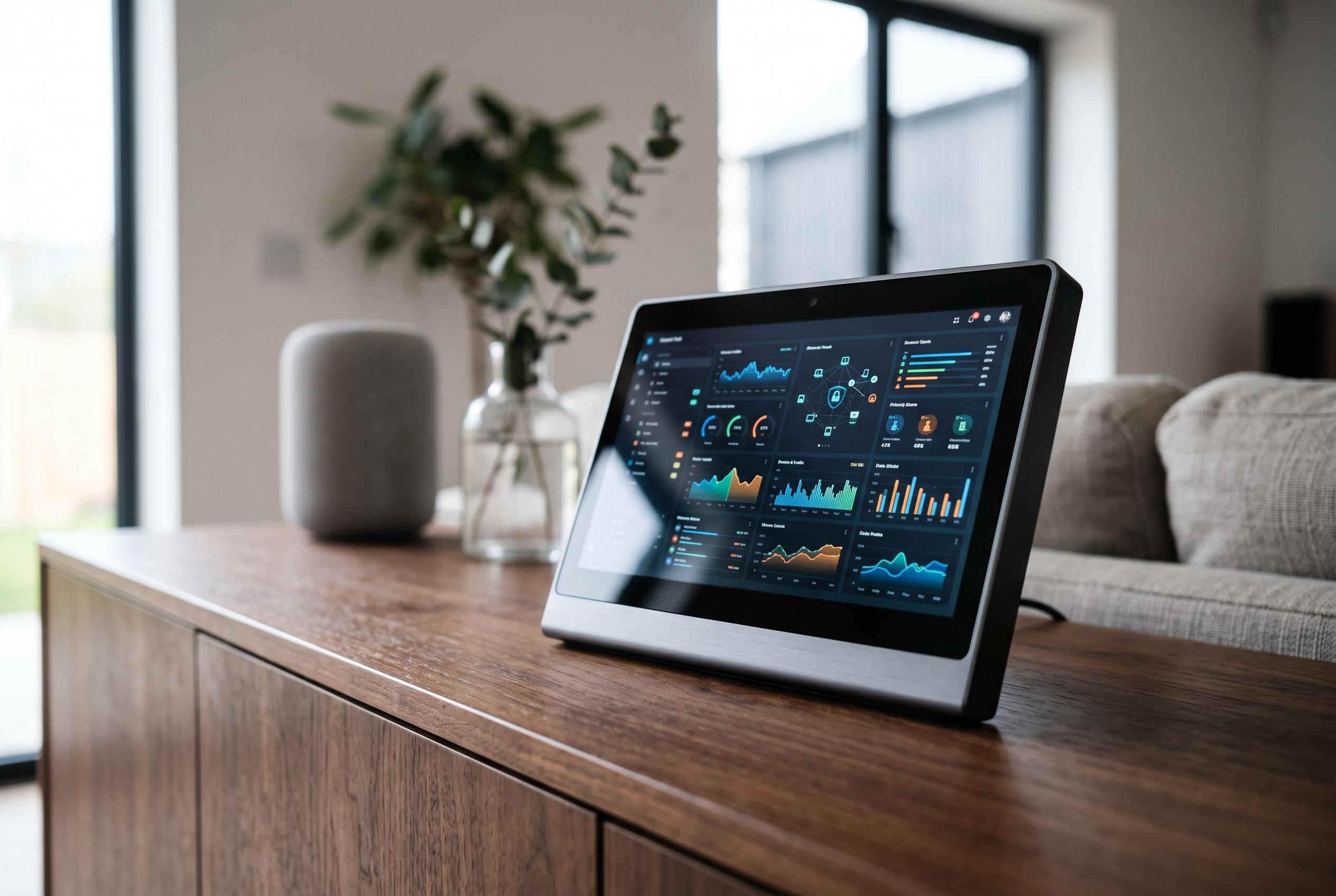

The upcoming Home Assistant 2026.9 beta introduces significant improvements to security alerts, data filtering, and network troubleshooting, shifting towards clearer, actionable insights for complex smart homes.
Home Assistant’s 2026.9 beta pushes the platform towards clearer, more actionable information rather than more raw data. The update places greater emphasis on what needs immediate attention, what can wait, and why a device or automation behaved as it did. In practice, that means a smarter interface for people running increasingly complex homes.
The most visible change is in security. Home Assistant now separates active alerts from ordinary warnings, so a smoke alarm no longer sits alongside something as minor as an open window. Each entity in the security view can be configured individually, allowing users to decide whether it should trigger an urgent alert or a lower-priority notice. That gives the dashboard a more realistic sense of urgency.
The History and Activity pages have also been redesigned with stronger filtering tools. Users can narrow results by floor, area, device, domain and integration, and the system remembers those filters when the page is reopened. The Activity view now adds context as well, showing not just that something changed, but whether it was caused by an automation or a manual action. For homes with many routines, that extra explanation matters.
According to reporting on the beta, the Matter integration gains a built-in network map that brings Thread and Wi-Fi devices into a single topology view. The map is intended to make troubleshooting easier by showing routers, nodes, offline devices and connections in one place. Matter-focused coverage said the feature also exposes signal and role information where available, which should help users diagnose weak links in their networks.
Other changes are smaller but still practical. Tile cards can now surface light effects and vacuum fan speeds directly on the dashboard, reducing the need to open deeper menus. Modbus support is also being revised at a lower level, with reports describing improvements to the underlying architecture that should help Home Assistant communicate more reliably with devices such as solar inverters, heat pumps and meters.
Disclaimer: This content is intended for informational purposes only. Readers are advised to exercise their own judgement, conduct due diligence, or consult a qualified expert before acting on any information provided.