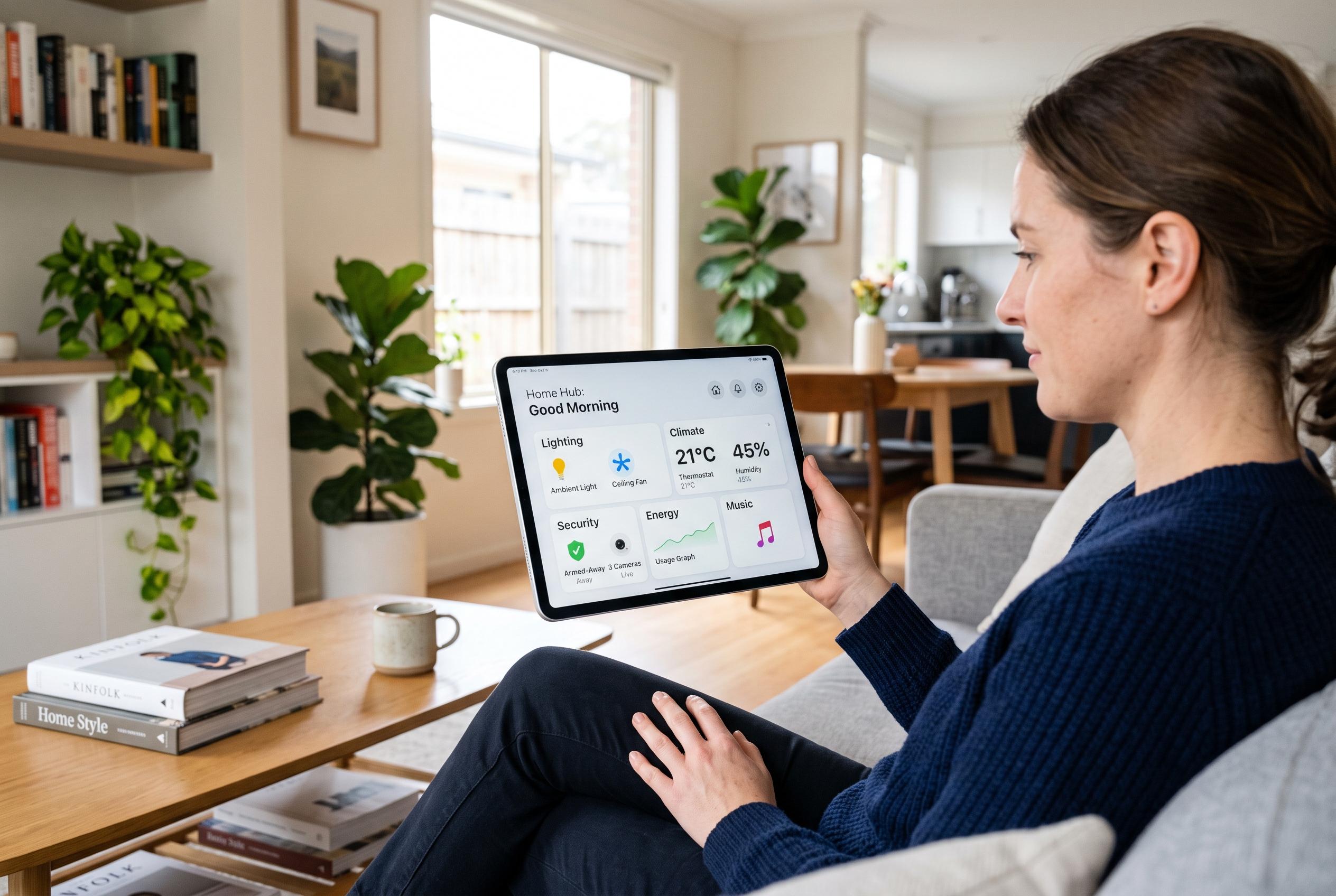

The latest Home Assistant release aims to reduce onboarding barriers with easier setup, enhanced network recovery prompts, and clearer interface organisation, making smart home management more accessible for new users.
Home Assistant’s August 2026 release is aimed less at power users than at the people who find the platform intimidating on day one. According to XDA Developers, the 2026.08 update removes one of the small but persistent hurdles in initial setup: new installations can now be opened in a browser using only the host address, without appending the default port. That matters because Home Assistant’s own remote-access guidance still stresses that exposing a system safely requires care, and its HTTP configuration remains central to how the frontend is served.
The release also adds a recovery prompt for network changes. Home Assistant now asks for confirmation after a network setting is changed and will roll the configuration back if nothing is approved within five minutes. That mirrors the built-in recovery concepts already documented by the project, which are designed to keep the system usable when configuration changes go wrong. Home Assistant’s network documentation also shows that the platform already supports substantial network management from within its own interface, including manual configuration where needed.
XDA Developers also notes a small but useful terminology shift: Developer Tools is now simply Tools. The change reflects how the feature is used in practice, since it is not only relevant to developers but also to anyone checking states, templates or automations. The same update gives users more control over entity naming, so labels can be ordered to match local naming habits rather than Home Assistant’s default structure.
Elsewhere, the Home Assistant Cloud area has been reorganised into a clearer overview and a guided setup flow. That is significant because Home Assistant Cloud, run by Nabu Casa, is the company’s optional subscription service for remote access, encrypted backups and voice features, while the project’s own remote-access documentation continues to recommend secure approaches over simple port exposure. XDA Developers says the update also separates integrations into distinct device entries, which should reduce confusion when multiple integrations map to the same hardware, and adds support for new integrations including Dyson Infrared, Google Health, Midea and llama.cpp. Overall, the release keeps the platform’s depth intact while making the first hours of use less punishing.
Disclaimer: This content is intended for informational purposes only. Readers are advised to exercise their own judgement, conduct due diligence, or consult a qualified expert before acting on any information provided.