
The latest release of Home Assistant introduces a comprehensive Matter network map and improved MCP integration, pushing smart home automation towards greater privacy and user control, though with increased complexity for users.
Home Assistant’s latest update places the open-source platform further along the path towards a local-first smart home, with new tools aimed at making both device management and on-device automation easier to understand. According to Home Assistant’s own release notes, version 2026.9 adds a Matter network map that shows Thread and Wi-Fi devices together, alongside signal strength and device roles, and it also expands MCP support with SSL non-blocking SSE transport and refresh-token requests. The release includes 13 new integrations.
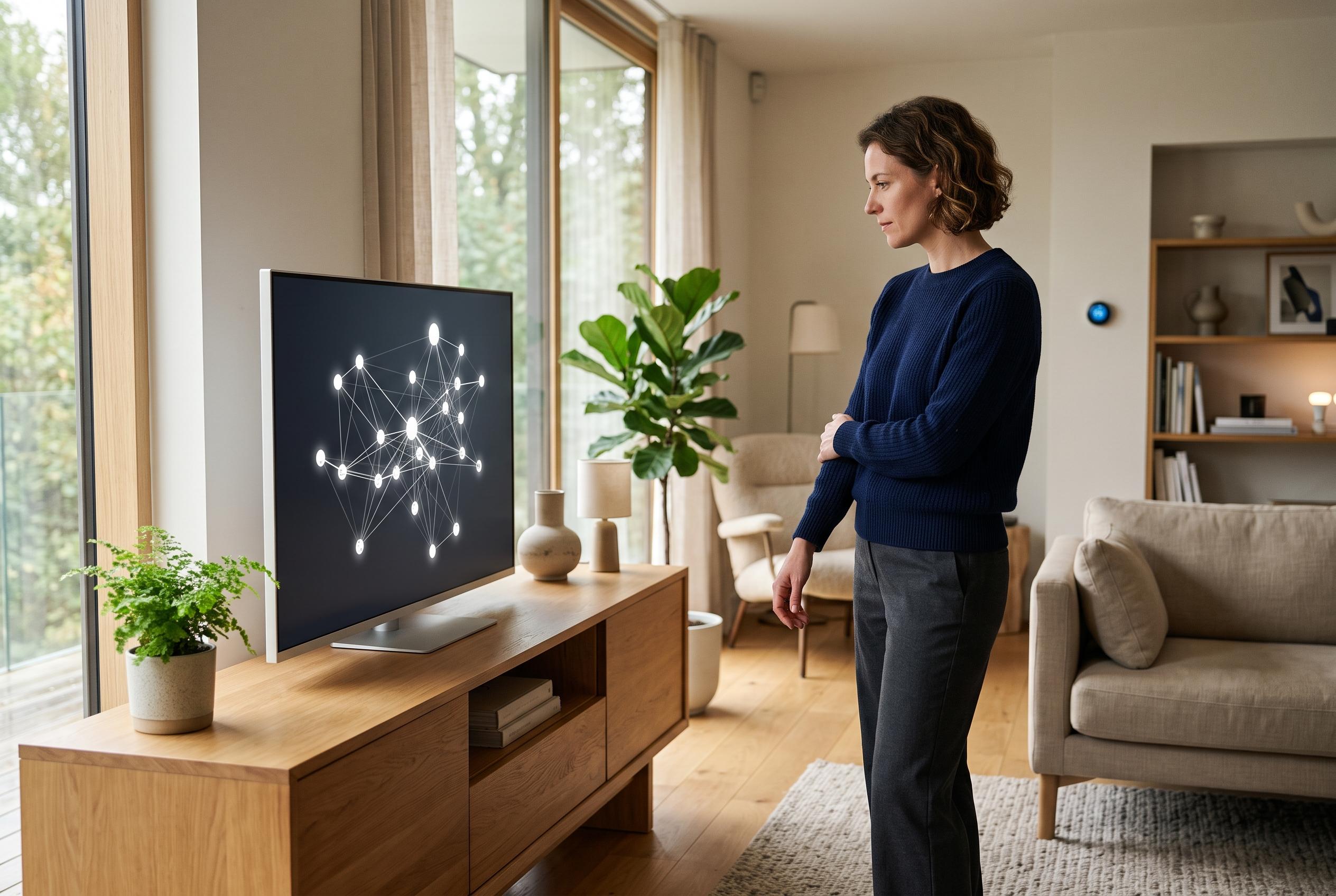
That Matter map is more than a visual flourish. MatterAlpha reported that the feature is built into the main interface and combines Wi-Fi devices, Thread devices, access points and Thread Border Routers into a single topology view, which should make troubleshooting less technical for ordinary users. SmartHomeFirst said the map can also help people spot poor placement, weak links and other common failure patterns in dense housing environments, underlining its value as a practical diagnostic tool rather than a novelty.
The bigger significance lies in Home Assistant’s treatment of MCP, the Model Context Protocol increasingly used to connect AI agents to external tools. Home Assistant says its MCP integration is designed to let users run local model runtimes such as Ollama, llama.cpp or LM Studio alongside the smart-home platform, which supports a local-first deployment model. The company says the latest transport and token changes are intended to improve reliability for those agent setups.
That matters because the wider MCP ecosystem is still working through basic security problems. Forkast reported that 41% of US and UK enterprises say they use MCP in some production capacity, but only 5% have reached governed, enterprise-wide production. The same report said security and compliance remain the main obstacles, while more than 21,000 internet-facing MCP server instances have been detected and 91.8% of 640 audited production servers lacked basic OAuth authentication. In that context, Home Assistant’s emphasis on local control looks less like a niche preference and more like a response to a broader trust problem.
Home Assistant is not presenting local-first automation as effortless. Its own approach still asks users to manage their hardware, their models and their security posture, which will suit enthusiasts more readily than casual households. But the direction of travel is clear. By pairing a more legible Matter view with more capable MCP plumbing, the platform is making the case that a smart home can be both private and technically ambitious. For users prepared to maintain it, that may prove a better bargain than handing core functions to a cloud service.
Disclaimer: This content is intended for informational purposes only. Readers are advised to exercise their own judgement, conduct due diligence, or consult a qualified expert before acting on any information provided.