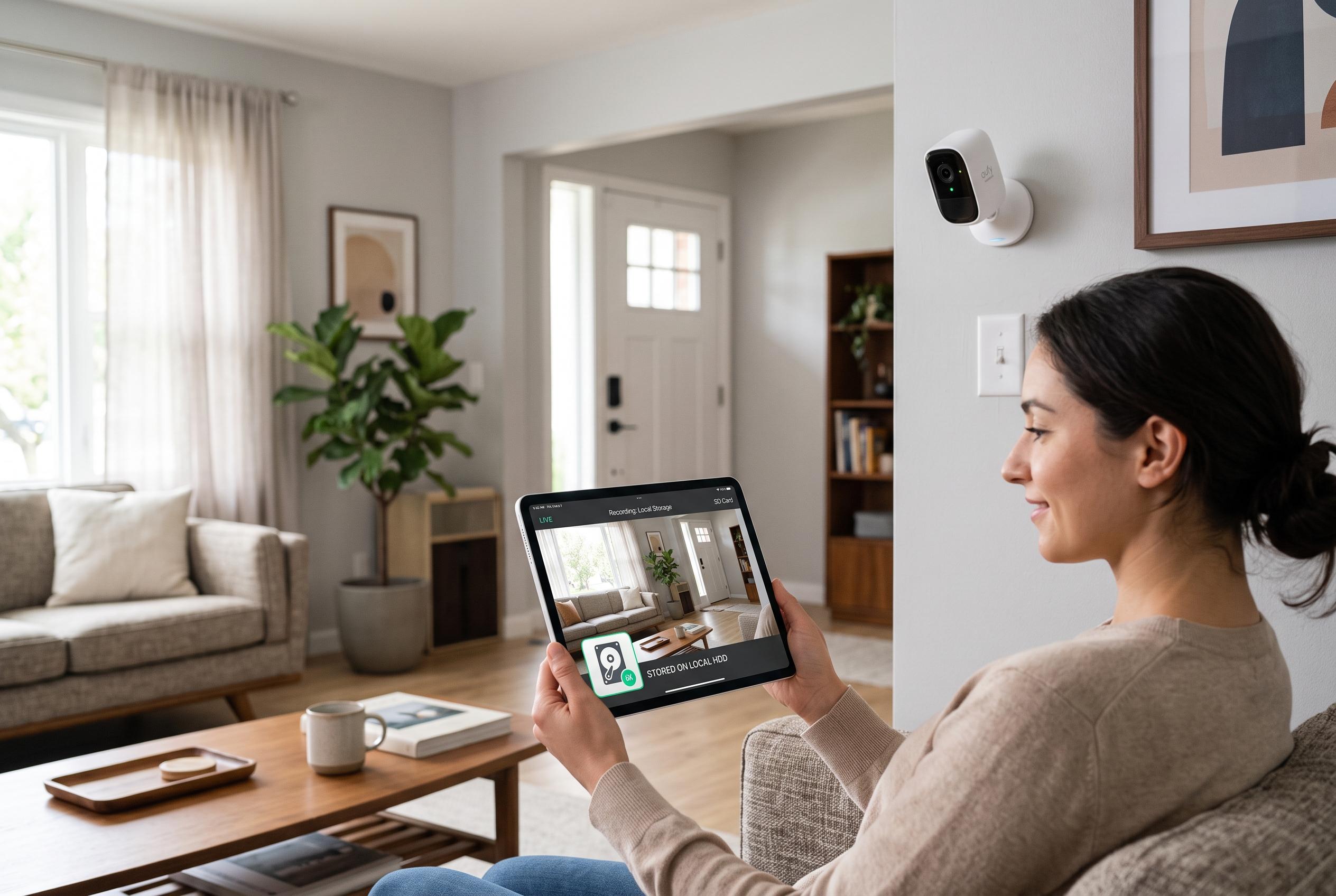

As families seek practical, easy-to-use security solutions, 2026’s camera systems focus on local storage, straightforward controls, and reliable video quality over premium features, reshaping the home security market.
Many families want home security cameras that are easy to live with as much as easy to install. The best systems combine clear video, dependable alerts, simple controls and storage that does not create recurring costs. That is the standard behind this 2026 roundup, which focuses on practical camera kits for busy homes, rather than on premium features that add complexity without clear value.
For indoor use, the strongest choices are the systems that are simple to monitor from a phone, handle motion cleanly and offer local recording. A four-camera 1080p Tapo bundle suits households that want affordable room-by-room coverage, while a two-camera Nursery Watch Pro set offers 4MP video, pan-tilt movement and cry alerts for parents watching infants or pets. LaView’s indoor four-pack is another straightforward option for common rooms, and the Budget Room Monitor’s 2K pan-tilt cameras provide broader coverage for larger interiors. TechRadar’s mid-2026 buying guide similarly highlights compact indoor cameras such as the Ring Pan-Tilt Indoor Cam, Blink Mini and Wyze Cam v3 for buyers who value ease of use and flexible placement.
For outdoor coverage, battery and solar power remain the main appeal. The Blink Outdoor 4 five-camera system is built for low-maintenance placement around doors and yards, with long battery life and Alexa support, while the GMK four-pack adds colour night vision and battery-powered flexibility for homes that want cameras they can move easily. The aosu 2K solar system takes a different approach by reducing manual recharging and supporting local storage, which helps keep long-term costs down. Tom’s Guide and Security.org both note that subscription-free recording and local storage continue to be major decision points for buyers, especially when they want to avoid monthly fees.
Monitor-based systems still have a place, particularly in homes where internet coverage is uneven or a dedicated screen is preferred. CasaCam’s wireless setup is designed for that use case, with a 7-inch touchscreen monitor and local operation that does not depend on Wi-Fi. By contrast, wired NVR-style kits such as the Family Yard Watcher dual-lens system and the Hiseeu eight-camera bundle are better suited to families who want central recording, wider property coverage and fewer compromises on storage. These setups are less portable, but they are more complete for driveways, entrances and back gardens.
The main buying factors remain consistent across the market. Resolution matters, but so does the quality of motion detection, night vision and two-way audio. 1080p is still enough for many rooms, yet 2K or 4MP can make a real difference when you need facial detail or clearer footage at distance. Local storage is often preferable for households that want to avoid cloud fees, while pan-tilt controls, human detection and shared app access help reduce false alerts and make cameras easier to manage across a family. Tom’s Guide’s 2026 home security camera guide and Security.org’s annual rankings both suggest the same broader trend: buyers are increasingly prioritising value, storage flexibility and ease of use over raw specification alone.
Disclaimer: This content is intended for informational purposes only. Readers are advised to exercise their own judgement, conduct due diligence, or consult a qualified expert before acting on any information provided.