
A comprehensive home security approach now emphasizes strengthening entry points with both physical measures and connected smart technology, highlighting the role of upgraded garage systems in safeguarding properties.
A home security audit works best when it begins at the points most people use every day: the doors, windows and garage. The basic idea is simple. Walk the property as though you were checking for weak spots, then tighten the places that are easiest to miss. According to industry guides on connected garage systems, modern protection is strongest when physical barriers and digital alerts are used together, not in isolation.
The front entrance should be the first focus. A standard knob lock is not enough on its own; the sturdier option is a deadbolt fitted into a solid frame, with hinges and strike plates that can withstand force. Ground-floor windows deserve similar attention. Weak latches, poor sight lines and easy access from shrubs or dark corners all make a property more exposed. Simple measures such as stronger locks, privacy film, trimmed planting and motion lighting can reduce that risk without major expense.
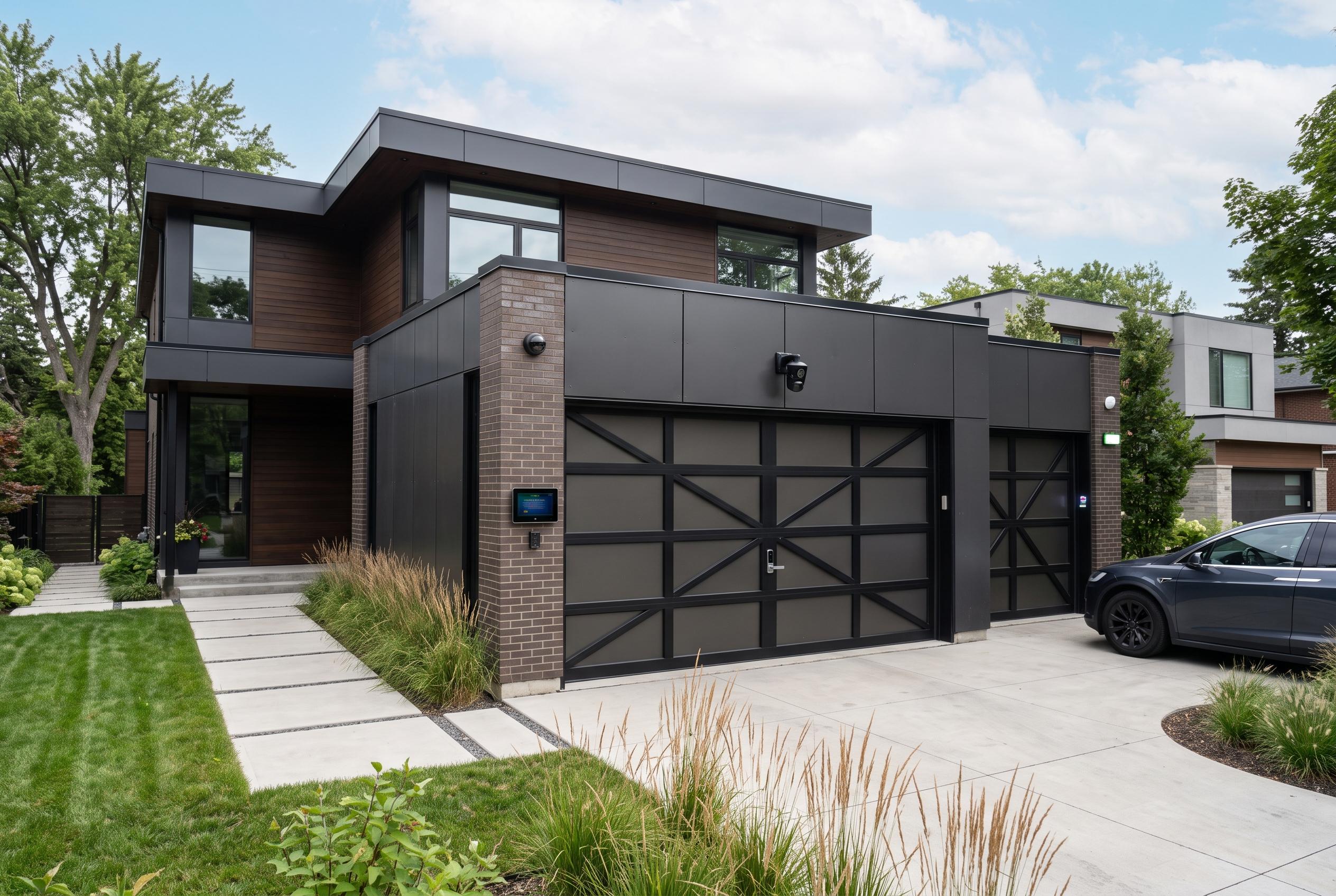
The garage is often treated as a secondary space, yet it is frequently one of the most important entry points in a house. Connected garage systems now add remote status checks, real-time alerts and integration with wider smart-home platforms. Clopay and other garage-door specialists say newer systems use rolling code encryption, which changes the access code each time the opener is used, making interception far harder than with older fixed-code devices. That matters because a garage that does not close properly, or a side door left unsecured, can undermine the rest of the property’s defences.
Technology can strengthen, but not replace, the basic structure of home security. Smart garage openers, video doorbells, door and window sensors, and app-linked locks all improve visibility and control. The Cedar homeowner guidance recommends integrating cameras, lighting and access systems into a single setup, while also noting that professional installation can reduce avoidable faults and security gaps. The practical advantage is clear: homeowners can check status, receive alerts and act quickly, even when they are away from the property.
The most effective approach remains layered and routine. A secure home usually depends less on one expensive device than on a series of small, consistent improvements: sturdy doors, reliable locks, well-lit entrances and properly maintained garage equipment. Even a brief weekend inspection can reveal issues that are cheap to fix but costly to ignore. In home security, the simplest weaknesses are often the easiest for an intruder to exploit.
Disclaimer: This content is intended for informational purposes only. Readers are advised to exercise their own judgement, conduct due diligence, or consult a qualified expert before acting on any information provided.