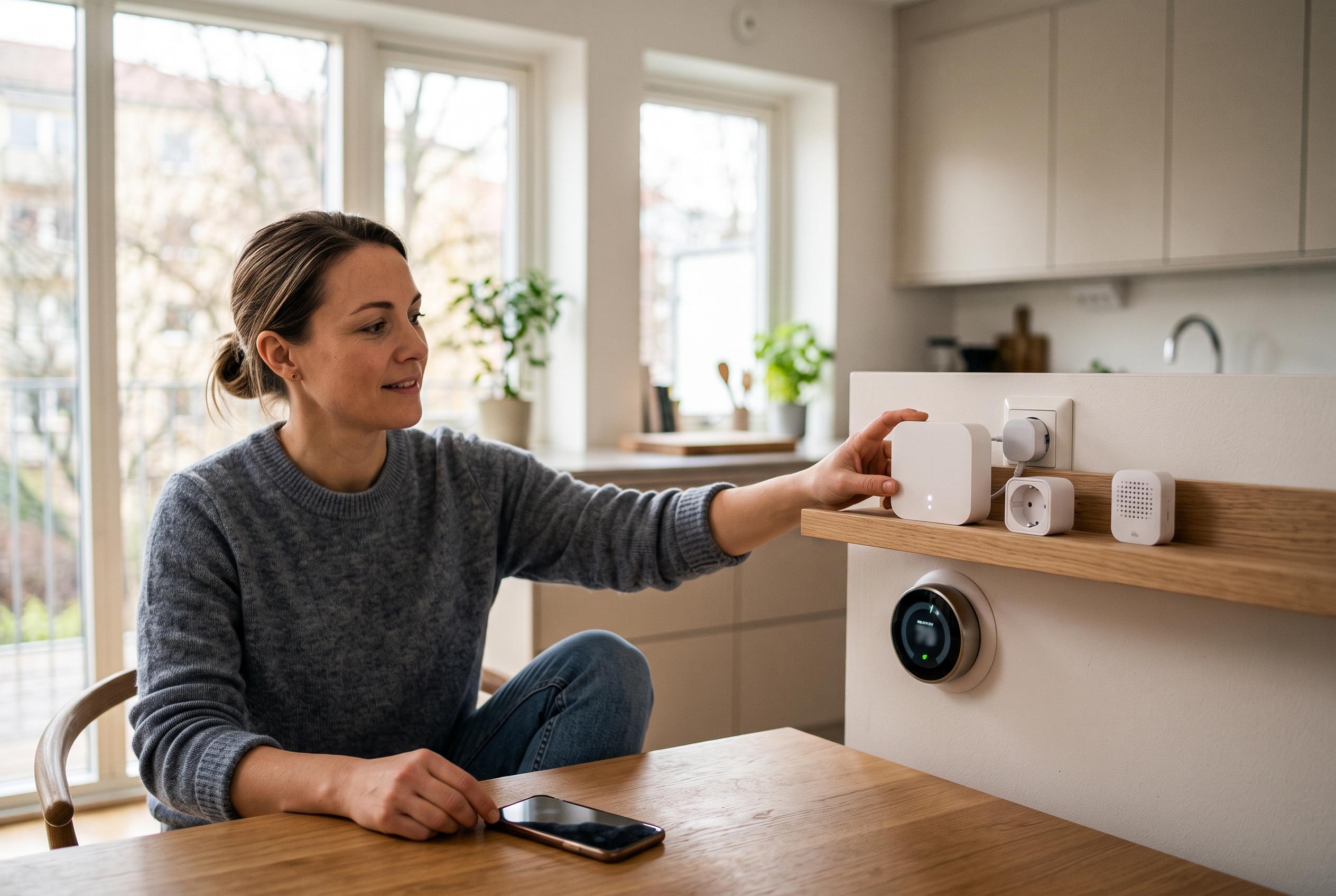

IKEA’s shift to Matter compatibility signals a major move towards simplifying and democratizing smart home technology through mass-market, affordable devices, challenging existing industry norms.
IKEA has moved from being a budget seller of smart bulbs to one of the clearest beneficiaries of the smart home industry’s shift towards Matter, the cross-brand standard designed to reduce the fragmentation that has long made connected homes awkward to manage. According to IKEA’s own product pages, Matter is intended to let devices from different manufacturers communicate more reliably and securely, while keeping control in a single ecosystem rather than scattering it across multiple apps and proprietary hubs.
That matters because the smart home has become needlessly complicated. Many homes still rely on a mix of separate hubs, wireless bridges and manufacturer-specific apps, with some devices working through Google Home or Apple Home and others depending on software that can be poorly maintained. The appeal of Matter is that it promises a more durable setup: if a device supports the standard, it should be easier to add, control and keep working even if the original app or vendor disappears. IKEA presents this as part of a broader effort to make smart living simpler and more accessible.
The Swedish retailer’s new generation of products reflects that shift. Where its older Tradfri range relied on Zigbee and typically needed IKEA’s own gateway, the newer smart home line is built around Matter compatibility. IKEA says its DIRIGERA hub can still act as a central controller, but many users may no longer need to buy a dedicated bridge if they already have a compatible Apple, Google or other Matter-capable hub in the home. IKEA also states that its smart products can be integrated with voice assistants and controlled through the IKEA Home smart app, remotes, shortcut buttons or motion sensors.
Price is where IKEA may be gaining the most ground. The Dutch technology report argues that the company has become a serious force in smart home hardware largely because its devices are cheap enough to compete with ordinary, non-connected alternatives. IKEA’s range includes lighting, switches, plugs, sensors and air purifiers, and the company positions the line as an affordable way to build automation into an everyday home rather than treat it as a niche hobby. In practical terms, that makes it easier for households to add a bulb, switch or motion sensor without committing to a costly ecosystem overhaul.
The real significance is not simply that IKEA has embraced Matter, but that it has done so at mass-market prices. Smarthome systems were once associated with enthusiasts who were willing to pay more for equipment or spend time coaxing incompatible products into working together. By packaging Matter-ready hardware at low cost, IKEA is helping push the category towards something more ordinary and less technical. That is a notable change for a market that has spent years promising simplicity while often delivering the opposite.
Disclaimer: This content is intended for informational purposes only. Readers are advised to exercise their own judgement, conduct due diligence, or consult a qualified expert before acting on any information provided.