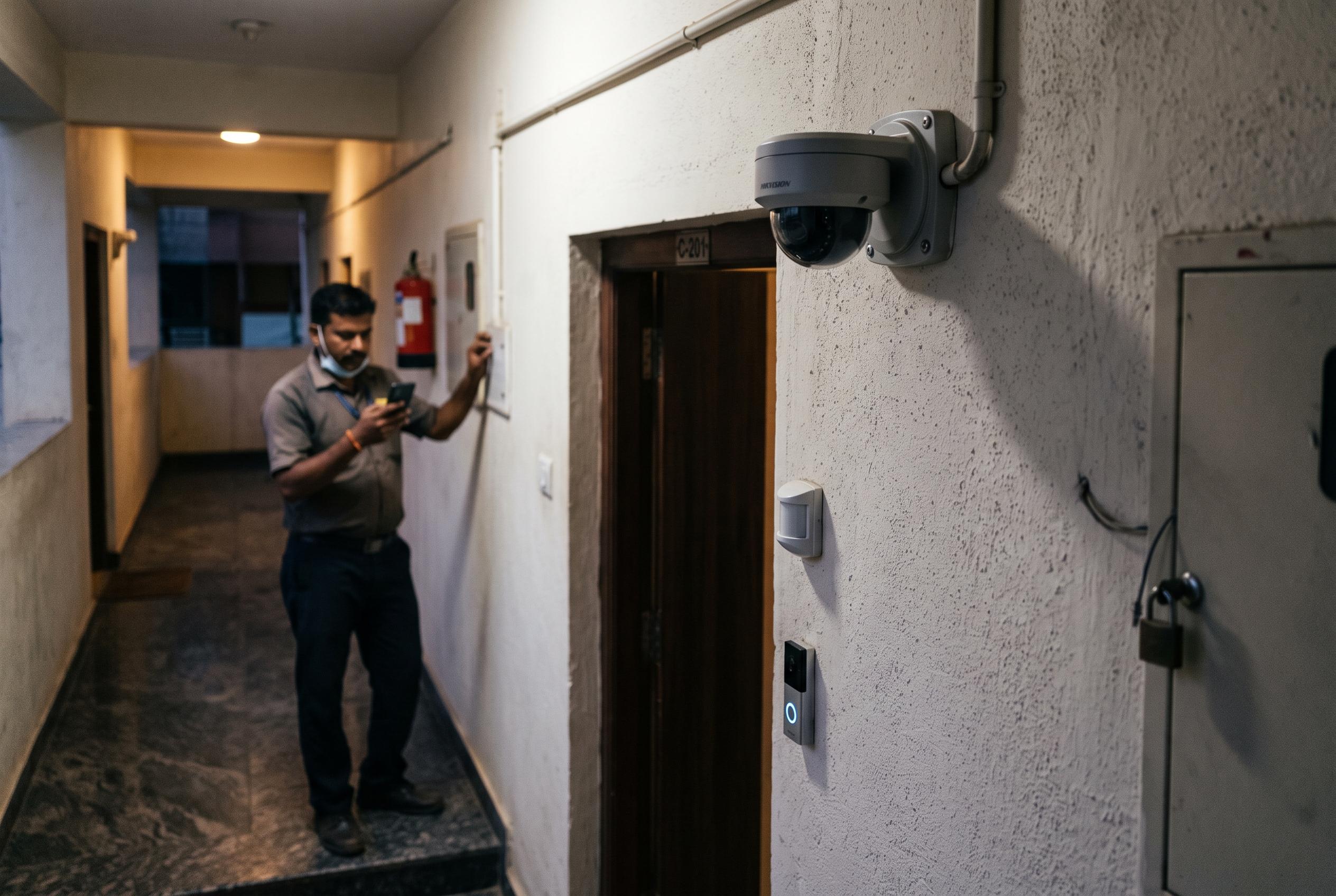

Amazon and Flipkart have begun scrutinising security camera listings in India following a Reuters investigation revealing hundreds of devices sold without mandatory government approval, amid rising security concerns and tighter regulations.
Amazon and Walmart-owned Flipkart have begun checking security camera listings in India after a Reuters investigation found hundreds of internet-connected devices being sold without the government approval now required under stricter testing rules. The reviews are focused on products offered by third-party sellers and brand pages, and both marketplaces are expected to remove models that do not meet the certification standard.
The scrutiny comes as India tightens control over surveillance equipment, an area that has drawn growing attention from regulators and security officials. Since April, manufacturers of covered cameras have been required to submit hardware and software for testing before sale, following rules announced in 2024. The measures were introduced amid concern in New Delhi that footage from connected cameras could be exposed or transferred outside the country.
According to Reuters, more than 700 of roughly 770 security cameras examined on Amazon and Flipkart did not match models listed in the Bureau of Indian Standards’ public database of approved products. That mismatch does not necessarily prove every listing is non-compliant, but it has been serious enough to trigger platform reviews. Since Tuesday, at least a dozen listings have disappeared, including several Hikvision EZVIZ models that Amazon now marks as unavailable.
Security experts say the stakes are more than regulatory. Gulshan Rai, who served as Prime Minister Narendra Modi’s cybersecurity chief from 2015 to 2019, told Reuters that unapproved sales are a serious concern because a compromised camera can create both a surveillance risk and a cybersecurity entry point. The warning echoes broader anxieties in India after police in Delhi said in April that they had uncovered a Pakistan-linked spying network using Chinese-made SIM-enabled CCTV systems near military sites in the north of the country.
The market pressure is significant. Counterpoint Research told Reuters last year that Hikvision and Zhejiang Dahua Technology together held about 30% of India’s security camera market. Reuters also found unlicensed WiFi camera models from both companies on Amazon, even as the United States has barred some of their equipment from government purchases over Beijing-related security concerns. Neither company responded to Reuters’ requests for comment.
The compliance gap is not limited to foreign brands. Reuters reported that Maizic Smarthomes, which describes itself as India’s best-selling AI security brand, had 138 WiFi camera listings on Amazon that did not appear to have Indian approval. One product advertised live streaming from anywhere in the world through a smartphone or tablet. The company’s co-founder, Santosh Kumar Singh, told Reuters that it had removed WiFi functionality from some products while waiting for approval, and later said the brand was committed to complying with the rules.
The episode also highlights the pressure on e-commerce platforms to police restricted goods more aggressively in India, where they have previously faced criticism over items such as e-cigarettes, gender-test kits and banned wildlife products appearing online. Reuters reported that Amazon had previously removed a camera listing after a complaint from the head of registration at the standards bureau, though hundreds of camera options were still visible on Thursday.
Disclaimer: This content is intended for informational purposes only. Readers are advised to exercise their own judgement, conduct due diligence, or consult a qualified expert before acting on any information provided.