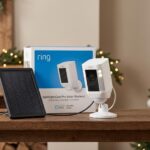
A strategic mix of door, window, environmental, and motion sensors, tailored to property use, is revolutionising home security by providing early detection and comprehensive protection.
Home alarm sensors are the difference between a system that records events and one that detects them early. A camera can document what happened, but sensors tell a homeowner that a door has opened, a window has been forced, smoke is present, or water is pooling where it should not be. The most effective setup is not the largest one. It is the one matched to the way a property is actually used.
According to Fluent Home’s guide, planning should begin at the perimeter. Exterior doors, accessible windows, basement entries, attached garages and sliding doors are the first places to secure, because they are the most likely routes into a home. From there, interior motion detection can add a second layer, while smoke, carbon monoxide and leak sensors should be positioned near the hazards they are meant to catch. The same guide stresses that layout, routine, pets and blind spots all affect where sensors should go.
Door and window contact sensors remain the basic building block. These magnetic devices register when two parts separate, which means they can flag an opening in real time and also help with ordinary household checks, such as whether the garage entry was left open. ConsumerAffairs says contact sensors are best suited to openings that can be closed and opened, while Security.org notes that they are often paired with glass-break devices for broader protection.
Glass-break sensors extend coverage to another common weakness: fixed glass that may be shattered rather than opened. Security.org explains that acoustic models listen for the sound pattern of breaking glass, while some systems also use vibration sensing. SafeWise and Homes Safety Authority both note that these sensors are especially useful near large panes, patio doors and other glazed openings that would be vulnerable if an intruder chose not to touch the frame. Vivint recommends thinking in terms of rooms with glass exposure rather than treating every pane individually.
Motion sensors work differently. They watch for movement within a set area and are most useful after the perimeter has already been crossed. Fluent Home recommends placing them where an intruder is likely to travel, such as hallways or central living spaces, rather than where ordinary household activity would create constant alerts. That caution matters in homes with pets, where placement and sensor type can make the difference between useful detection and repeated false alarms.
Environmental sensors add a different kind of protection. Fluent Home says smoke and carbon monoxide detectors should be integrated with monitored systems, because emergencies often occur when nobody is awake or able to respond immediately. The same guide places water-leak sensors near washing machines, dishwashers, sinks, boilers, water heaters and sump pumps, while temperature sensors are useful for freeze prevention and for rooms that need stable conditions. ShipShape describes these devices as part of a broader smart-sensor ecosystem that can send alerts to a phone and trigger automations.
The strongest systems combine sensors rather than relying on a single device type. A door contact can show that an entry point has opened, a nearby camera can provide visual verification, and a smart lock can confirm whether the door was secured again. According to Fluent Home, that kind of connected design also makes daily routines easier, because a household can arm the system, check doors and adjust settings from one app instead of several. The most practical rule is simple: protect the routes, cover the risks and avoid paying for sensors that do not fit the property.
Disclaimer: This content is intended for informational purposes only. Readers are advised to exercise their own judgement, conduct due diligence, or consult a qualified expert before acting on any information provided.