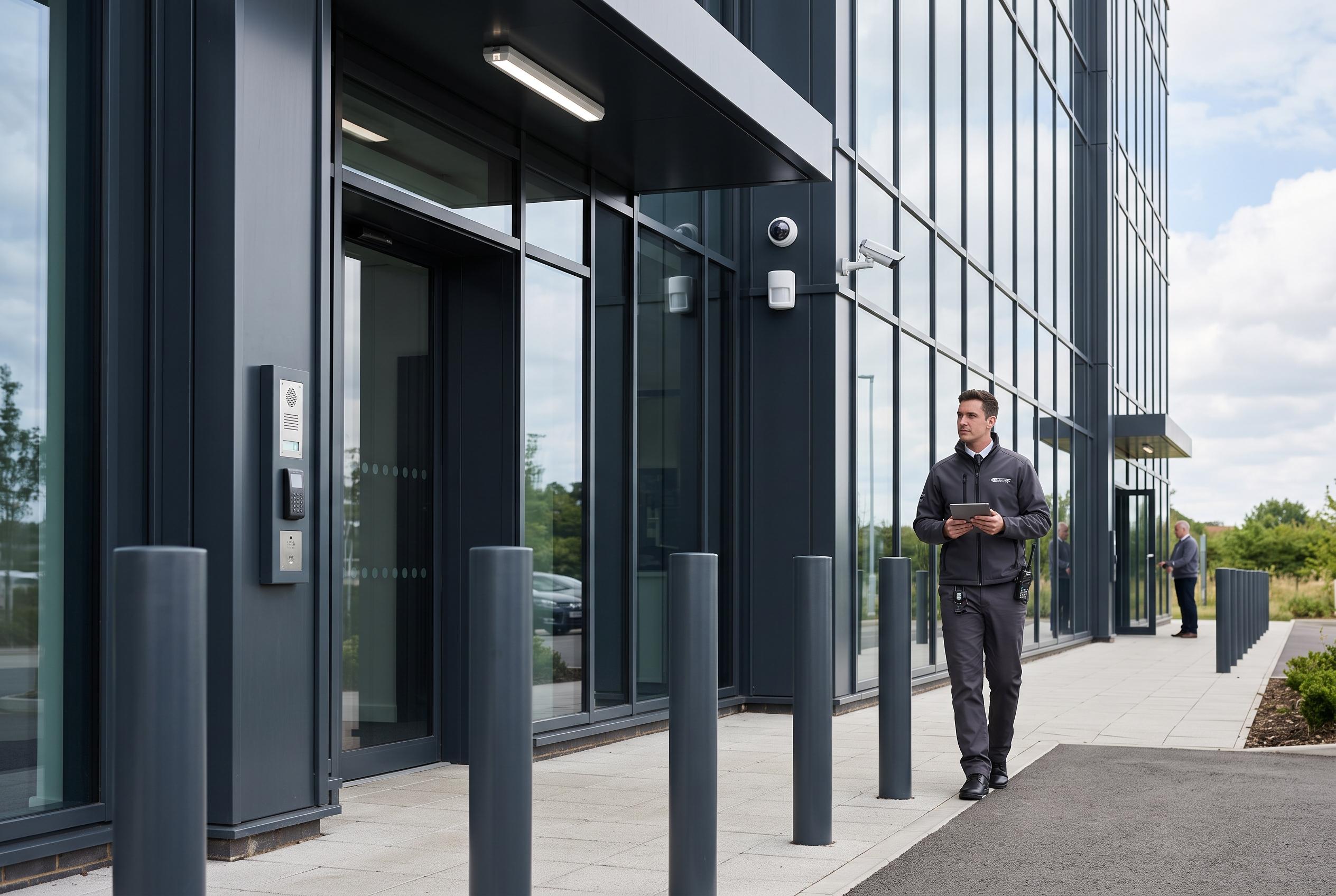

As building safety shifts towards integrated, layered systems combining deterrence, detection, and response, owners and managers must adapt to new standards and technologies to safeguard occupants effectively.
Modern building safety is shifting away from simple alarms and locks towards layered systems that combine deterrence, detection and response. For condo boards, small commercial owners and facilities managers, the task is no longer just keeping unauthorised people out. It is also about reducing fire risk, improving visibility in weak spots and making sure staff can act quickly when something goes wrong. The result is a more deliberate approach to protection, one that treats security and life safety as parts of the same plan.
That change reflects a wider reassessment of what actually works in practice. The Pew Charitable Trusts found that newer multifamily buildings, especially those built since 2000, have had far lower fire death rates than older multifamily properties and single-family homes in a study covering 19 states. Multifamily Executive has also reported that updated smoke alarm standards, introduced from June 30 2024, were designed to reflect how quickly fire can spread in modern homes, where escape windows can now be far shorter than they were decades ago. In other words, today’s buildings demand faster warning and faster response.
Facilities teams are also under pressure to connect more systems without making operations harder. Facilities Dive reported that managers are increasingly using sensors, advanced building management systems and, in some cases, generative AI to improve efficiency, compliance and tenant satisfaction. At the same time, renter expectations are changing. Apartments.com has said residents increasingly want connected features such as smart locks, while the National Apartment Association found that 71% of renters believe management should do more to create a safer environment. That combination is pushing owners towards technology that is both practical and visible to occupants.
The most effective upgrades are usually the simplest ones. Stronger entry hardware, better exterior lighting, connected cameras and alarms, and properly placed smoke and carbon monoxide alarms can all reduce risk without turning a property into a fortress. Smart locks, leak sensors and remote monitoring can add useful control, but only if they are configured carefully and protected by measures such as two-factor authentication and limited user access. For older buildings, the main question is often not whether these tools can be installed, but whether the door frames, wiring and network coverage can support them safely.
Owners and managers also need a basic maintenance routine. That means testing alarms, checking camera coverage, reviewing who can access systems and confirming that upgrades do not block exits or interfere with required fire protections. The broader lesson is that safety works best as a layered process rather than a single purchase. Buildings that combine policy, upkeep and connected devices are better placed to withstand both routine incidents and more serious emergencies.
Disclaimer: This content is intended for informational purposes only. Readers are advised to exercise their own judgement, conduct due diligence, or consult a qualified expert before acting on any information provided.