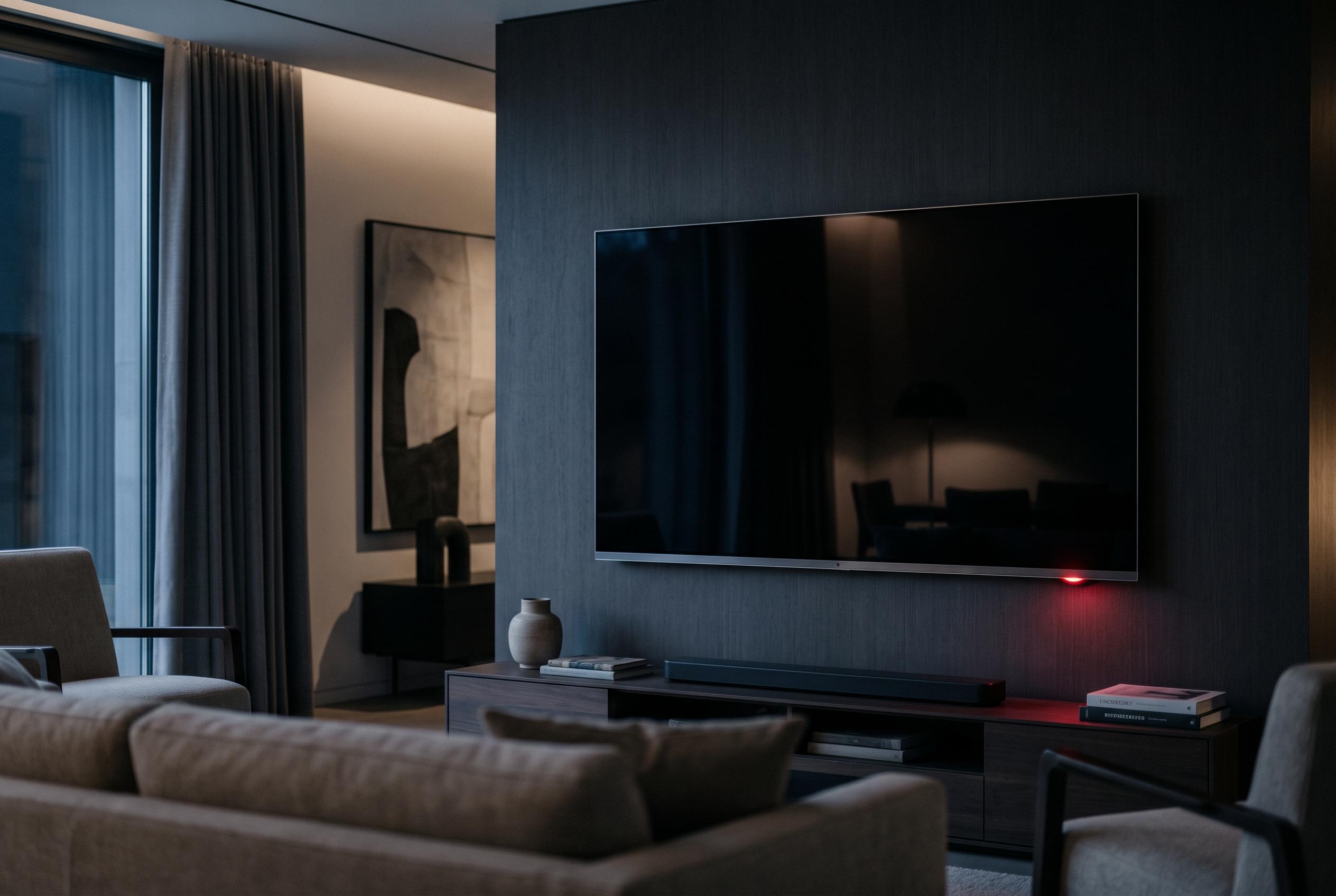

Investigations reveal LG OLED televisions may be silently monitoring home networks and recording audio even when turned off, raising significant privacy and security concerns amid official denials.
LG smart televisions have been accused of quietly mapping home networks and retaining microphone audio even when they appear to be switched off, in a detailed investigation by Gamers Nexus working with Level1Techs and independent security researchers. The report focused on retail LG OLED sets, including the 2025 G5, and said the devices were still probing local networks while in standby, raising questions not just about privacy but also about the security profile of a screen that sits inside the trusted perimeter of a home network. TechRadar and TechSpot both described the findings as extending beyond ordinary viewing analytics into broad household surveillance. According to the investigation, the televisions identified phones, smartwatches and other connected equipment on the same network, while also recording nearby Wi-Fi names and signal strengths.
The researchers said packet captures taken with Wireshark showed one set identifying 38 other devices, including phones, thermostats, an air purifier, a 3D printer and a development board. They also said the TVs logged internal IP addresses and device names, data that can reveal how a home or office is laid out. Notebookcheck and Cybersecurity News reported that the same tests suggested the sets could capture microphone audio while in standby and upload the files once internet access returned.
The report linked the data collection to LG Ad Solutions, LG’s advertising business, which markets its ability to identify devices within a household. Notebookcheck said LG has claimed roughly 216 million smart TV sales globally, while its ad unit says it can reach 363 million “secondary addressable devices” in the United States, a figure the researchers said is built on network enumeration. TechRadar highlighted LG’s past advertising language, including the phrase “we own the glass”, as evidence that the company has been explicit about the commercial value of the data.
The same investigation also said it found serious webOS vulnerabilities that could allow remote code execution over a network. In a proof of concept, the researchers said they turned a G5 into a listening device under outside control, although technical details have been withheld under responsible-disclosure practice. That finding matters because it turns what might otherwise be described as aggressive telemetry into a potential foothold for a wider compromise of the home network.
LG has denied the core allegations. In a statement reported by Tom’s Hardware, the company said the claims of covert tracking and recording were “not true”, while confirming that its televisions scan for other devices on the same local network, which it described as a standard smart-TV feature. LG also said voice functions activate only when the remote’s microphone button is pressed or when a user-enabled wake word is recognised, and that wake-word audio is processed on-device and then deleted. The company did not directly address the plain-text transcript storage described by the researchers. The scrutiny comes after earlier regulatory pressure: Texas Attorney General Ken Paxton sued five TV makers, including LG, over content-recognition tracking in 2025, and LG later agreed in 2026 to stop collecting that data from Texans without express consent. Gamers Nexus had already published an earlier LG report in July 2026, and LG changed its US terms on 28 July to require binding arbitration for disputes.
Disclaimer: This content is intended for informational purposes only. Readers are advised to exercise their own judgement, conduct due diligence, or consult a qualified expert before acting on any information provided.