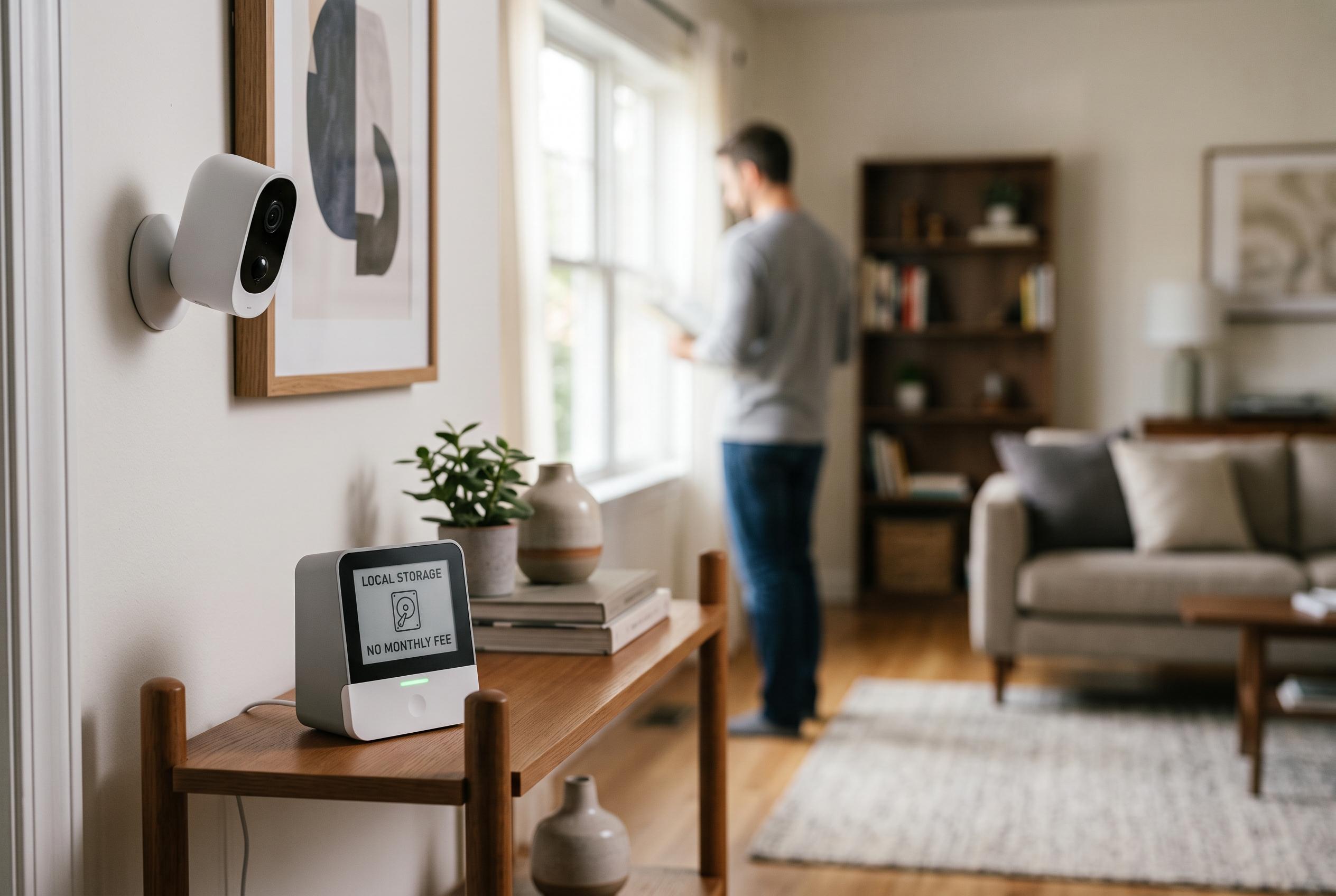

As consumers seek more private, reliable, and cost-effective options, locally stored and automated smart-home devices are disrupting the subscription-driven market, especially for cameras and alarm systems, offering greater independence and longer data retention without ongoing fees.
Smart-home subscriptions can be useful when they unlock genuinely valuable services, but many of the best device features do not depend on them at all. A growing body of product guidance now points to the same conclusion: if the device can store data locally, automate on your own network and avoid cloud-only lock-in, it often becomes more capable, more private and cheaper to run over time. That is especially true for cameras, doorbells, garage hardware and alarm systems, where recurring fees can quickly exceed the cost of the device itself. According to Tapo, local storage keeps recordings on the device or an in-home card, rather than on a third-party server, and can still work during internet outages.
Security cameras make the case most clearly. How-To Geek notes that some brands reserve video history, motion zones, package detection and search tools for paying customers, with some plans still capping retention at 60 days. By contrast, local recording through an NVR, NAS or microSD card means the practical limit is storage capacity rather than a subscription tier. WIRED has also observed that local storage keeps footage inside the home network, which improves resilience if the broadband connection drops and reduces exposure to external servers.
Video doorbells follow the same pattern. The convenience of seeing who is at the door loses much of its value if the live view is throttled and event clips disappear after a few hours unless the owner pays. How-To Geek points out that even premium plans on some systems still impose retention limits, while local recording can preserve more history without ongoing charges. That is why comparison guides increasingly recommend doorbells with onboard storage or direct local recording for households that mainly want reliable evidence of visitors, deliveries and missed calls.
Garage door openers and home security systems show a second advantage: independence from cloud services that can change without warning. How-To Geek cites the case of Chamberlain’s myQ platform, where an API change broke Home Assistant integrations and left some automations unusable. In that context, a locally controlled setup has a practical advantage beyond privacy: it is less exposed to product decisions made by the vendor after purchase. PromptQuorum’s guidance on subscription-free smart homes makes the same point, arguing that a local hub such as Home Assistant can unify mixed-brand devices without recurring fees.
The clearest dividing line is professional monitoring. If a household wants a monitored alarm response, a subscription is usually part of the service and cannot be replaced by a purely local setup. But for users who mainly want alerts, remote control and flexible automation, a subscription-free system can be more capable than many cloud-dependent alternatives. In practice, the best value often comes from buying devices that support local recording, local automations and standards-based integration, rather than paying monthly for features that the hardware can already provide.
Disclaimer: This content is intended for informational purposes only. Readers are advised to exercise their own judgement, conduct due diligence, or consult a qualified expert before acting on any information provided.