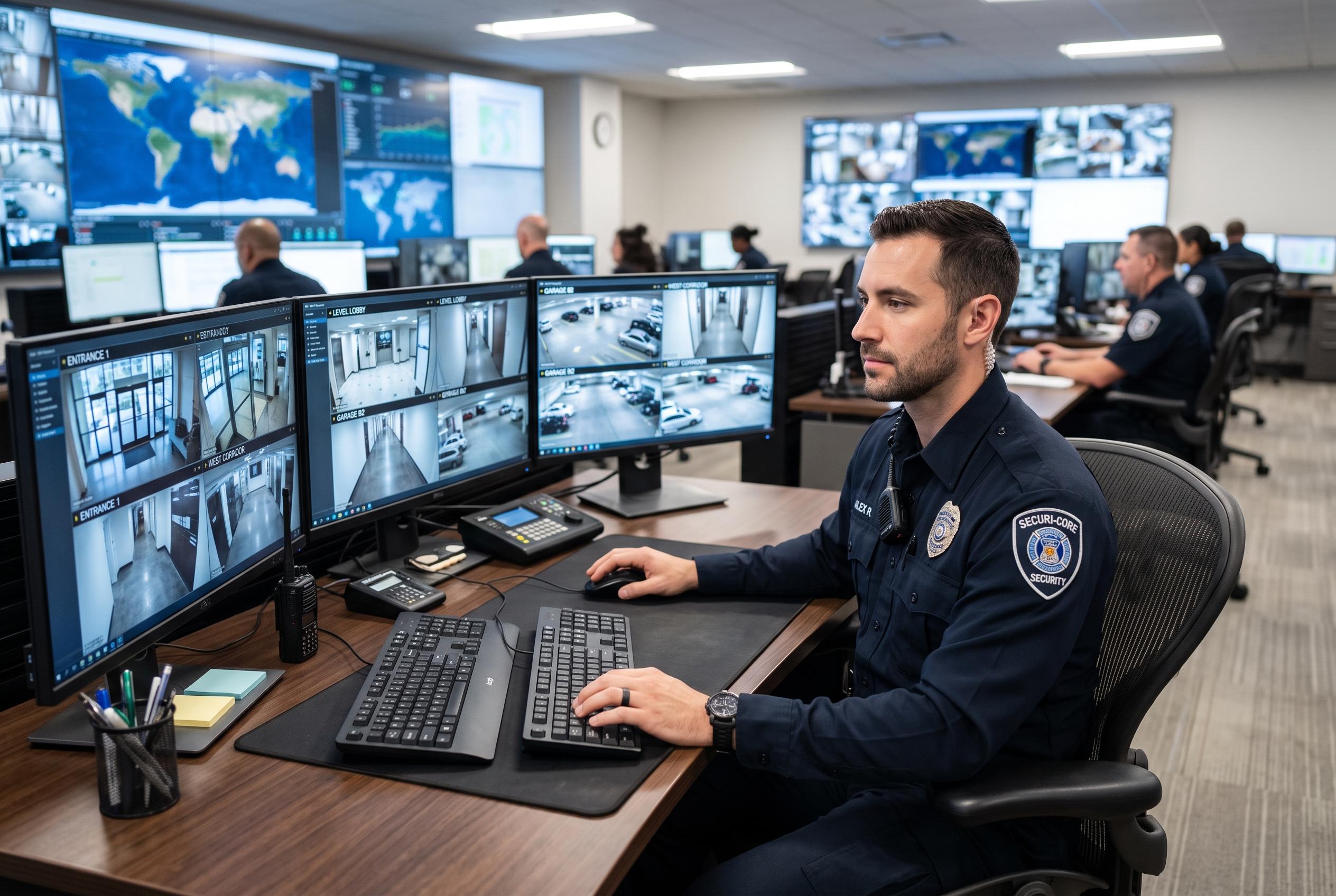

As alarm systems become more prevalent, the debate between monitored and unmonitored solutions intensifies, highlighting how professional monitoring adds vital safety layers, especially when owners are unavailable or asleep.
A security alarm at 2.00 a.m. raises a practical question: who responds if you are asleep, away from home or unable to check a phone? That is the central divide between monitored and unmonitored security. Both can alert a property owner, but only monitored systems add a professional response layer that can assess an alarm and coordinate emergency help if needed. Safewise, Vivint and GPS Security Group all describe that difference as the key factor for buyers weighing convenience against protection.
Unmonitored security sends alerts directly to the owner. A sensor can sound a local siren, a camera can push a motion alert and a mobile app can show live video. That can suit people who are regularly available, comfortable handling the technology themselves and mainly want visibility over a property. Modernize notes that this approach usually avoids monitoring fees, but the owner must notice the alert, judge whether it is real and decide what to do next.
The weakness is the reliance on immediate human attention. If a phone is muted, forgotten or out of reach, the system may still be working but no one may act on it. That applies not only to burglary alerts but also to smoke, carbon monoxide, flood and temperature warnings. Pro-Vigil says that self-managed systems shift both the workload and the risk to the property owner, while monitored systems reduce that operational burden by placing trained staff between the alarm and the response.
Monitored security works differently. When a protected device triggers, a professional centre receives the signal and follows set procedures, which may include contacting the owner, checking the alarm and requesting police, fire or medical dispatch. Vivint says that this model is built for situations when the owner is unavailable, while GPS Security Group points out that it also adds reliability and customisation because the system can be configured around the property rather than around the owner’s availability.
The distinction matters most when speed and verification are important. Motion alerts can be caused by animals, weather, passing cars or normal activity. Video verification can help a monitoring team distinguish a nuisance alert from a genuine incident. That is one reason monitored systems are often preferred for businesses after hours and for homes that may be empty during the day. It also explains why alarm companies increasingly pair cameras with analytics and two-way audio, since those tools can improve judgement before an emergency is escalated.
The broader picture is that security now extends beyond intrusion detection. Professional monitoring can also support fire alarms, carbon monoxide detection, water sensors and smart shut-off devices, which can limit damage when no one is on site. SafeWise and Alarm Center Security both note that the best choice depends on the property, the risk level and how much responsibility the owner wants to carry. For many households and small businesses, the right system is the one that still works when the owner cannot.
Disclaimer: This content is intended for informational purposes only. Readers are advised to exercise their own judgement, conduct due diligence, or consult a qualified expert before acting on any information provided.