
With drowning the leading cause of death among children aged one to four, innovative pool alarms that are loud, reliable, and easy to use are increasingly vital. The latest models focus on volume, ease of setup, and layered protection strategies to prevent tragedies.
The case for pool alarms is stark. The CDC says drowning is the leading cause of death for children aged one to four in the United States, while the Consumer Product Safety Commission reported in 2026 that an average of 376 children under 15 fatally drowned in pool or spa-related incidents each year between 2021 and 2023. That is why the latest round-up of child safety alarms focuses not just on price and features, but on whether devices are loud, reliable and realistic for everyday family use.
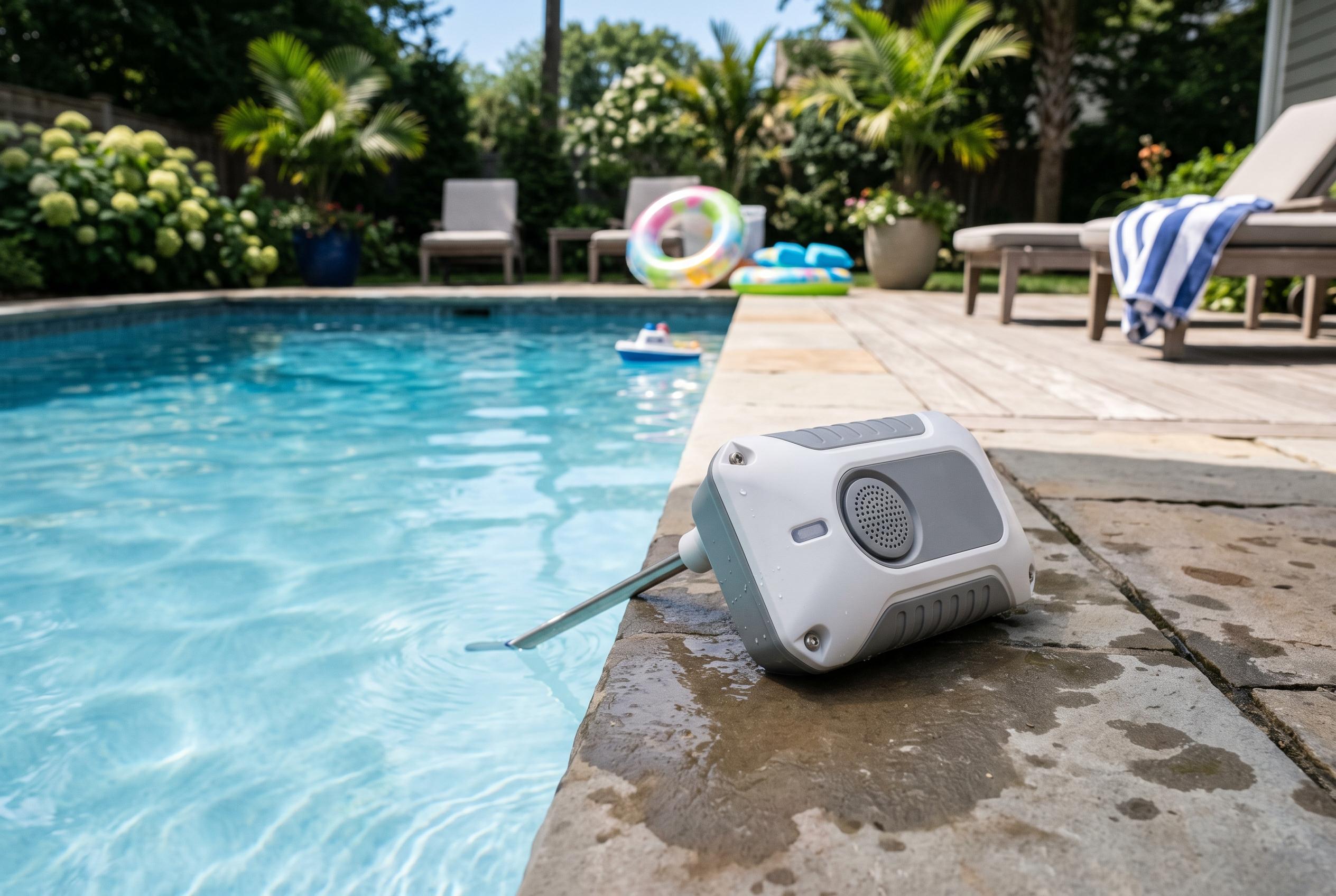
Among floating alarms, the Hovara model stands out for sheer volume and simple operation. It does not rely on an app, an account or Wi-Fi, and its 110dB siren was the loudest in testing. The KLORVA unit takes a similar approach with easier setup and a lower-cost appeal, while the Pool Patrol PA-30 remains a long-established ASTM F2208-certified option with a separate indoor receiver. Each has trade-offs, particularly around false alarms caused by wind, pumps or water features, which matters because a device that is silenced too often will eventually be ignored.
The strongest case for layered protection comes from door and gate alarms. The Techko S187D and PoolGuard DAPT-2 are both positioned as compliance-minded options for access points leading to the water. Their appeal is straightforward: they alert adults the moment a child opens a door or gate rather than waiting for a fall into the pool. In practice, these units are especially relevant where local rules require UL 2017-listed devices for new installations, or where families want a separate alert on every route to the pool.
Smart alarms add convenience, but they also add complexity. The Lifebuoy system offers app control and a Swim Mode designed to stop users from simply switching protection off and forgetting to turn it back on. Its premium sibling, the BCONE, adds Wi-Fi monitoring, Alexa integration and ASTM F2208 certification, which makes it better suited to households already using connected home devices. According to the testing notes, both are useful, but neither removes the need to understand battery life, Bluetooth range or the possibility of moisture intrusion over time.
For homeowners dealing with wind, detached buildings or larger properties, more specialised alarms can make sense. ZEPLIHS uses a gyroscope-based approach to reduce nuisance alerts and offers a long wireless range, while RoamRider uses a submersible sensor instead of a floating unit, which may suit smaller pools and hearing-impaired users thanks to its flashing LED receiver. These are narrower solutions, but they show how the category is moving beyond basic surface sensors towards more adaptable detection methods.
The wider lesson is consistent with advice from the Red Cross and the Children’s Safety Network: no single alarm is enough on its own. Four-sided fencing, self-closing gates, adult supervision and water-safety training remain essential. Pool alarms can buy precious seconds, but the safest setup is layered, with a floating alarm, access-point alarms and a family routine that treats the water as a permanent hazard rather than a seasonal one.
Disclaimer: This content is intended for informational purposes only. Readers are advised to exercise their own judgement, conduct due diligence, or consult a qualified expert before acting on any information provided.