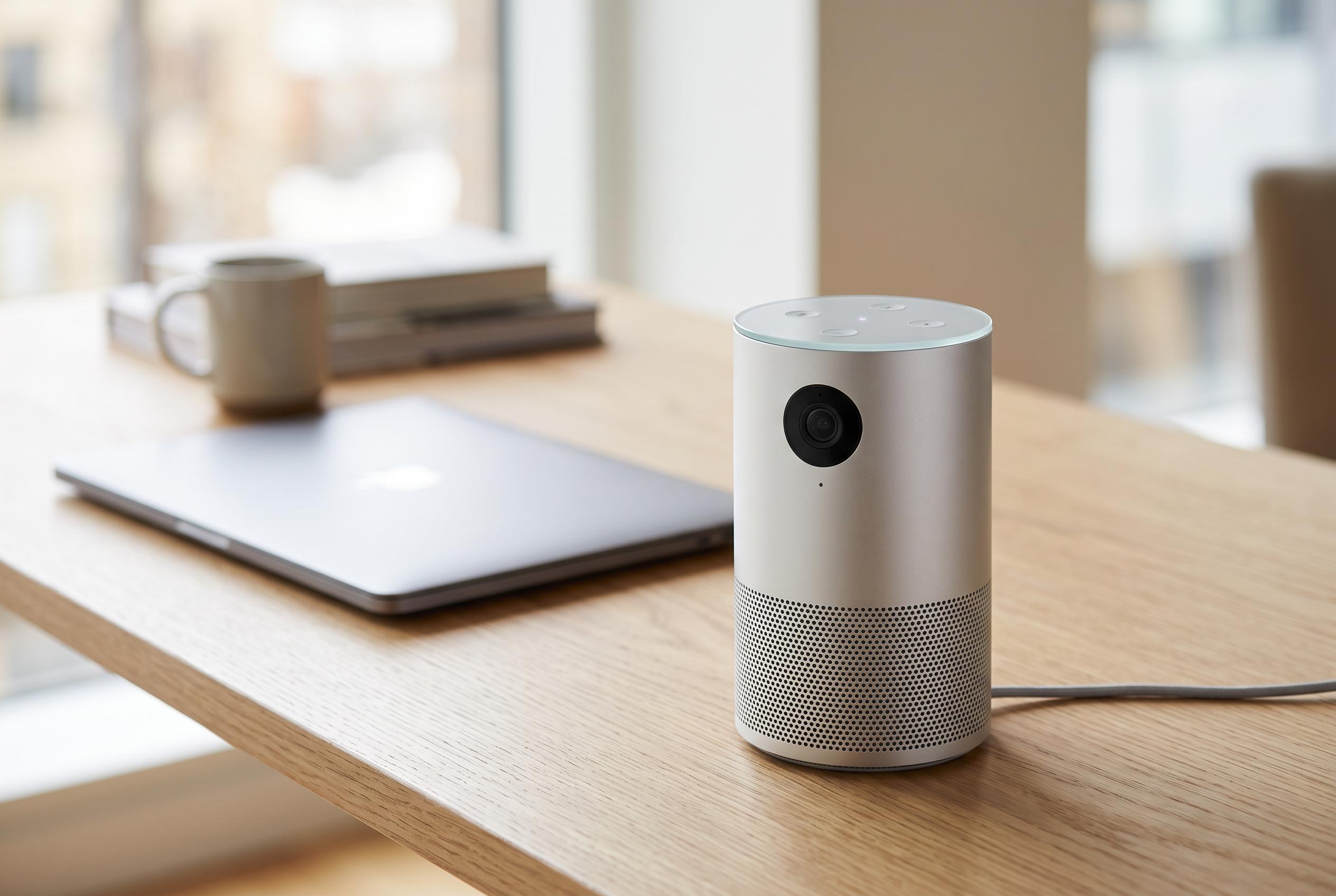

OpenAI is set to introduce its first major consumer hardware, a compact, camera-equipped smart speaker designed with Jony Ive, signalling a disruptive shift beyond software into mainstream connected devices by 2027.
OpenAI’s first major consumer device is expected to be a smart speaker with a built-in camera, according to reporting by Bloomberg’s Mark Gurman, who has tracked many of Apple’s future product plans with unusual accuracy. The device is understood to be the company’s opening move into mainstream hardware, following months of speculation that had also centred on headphones and a stylus-like product.
The speaker is said to be compact, circular and deliberately free of a display, with LoveFrom, the design studio led by Jony Ive, shaping the industrial design. Sources cited by Bloomberg describe a premium build with metal finishes, a glowing light ring and moving parts intended to make the product feel more responsive than a conventional assistant. The current expectation is that it will arrive in 2027 and cost more than $300.
Rather than acting as a simple voice-activated speaker, the device is expected to combine microphones, speakers, cameras and environmental sensors so it can build a richer picture of its surroundings. Reporting by The Information, as relayed by Tom’s Guide and MacRumors, suggests the camera could help the system recognise faces, observe context and offer more proactive help, such as reminders based on a user’s schedule. Other reports say OpenAI has looked at functions including purchases through the device, although those details remain unconfirmed.
The project also underlines how far OpenAI is pushing beyond software. TechRadar recently reported a separate hardware accessory, the Codex Micro, made with Work Louder for programmers using OpenAI’s coding tools. That device is much smaller and far more specialised, but together the products point to a broader hardware strategy that could eventually extend to smart glasses and other connected devices. The timing also comes as OpenAI faces fresh scrutiny from Apple, which has accused the company of hiring former employees and using confidential know-how in hardware development.
Disclaimer: This content is intended for informational purposes only. Readers are advised to exercise their own judgement, conduct due diligence, or consult a qualified expert before acting on any information provided.