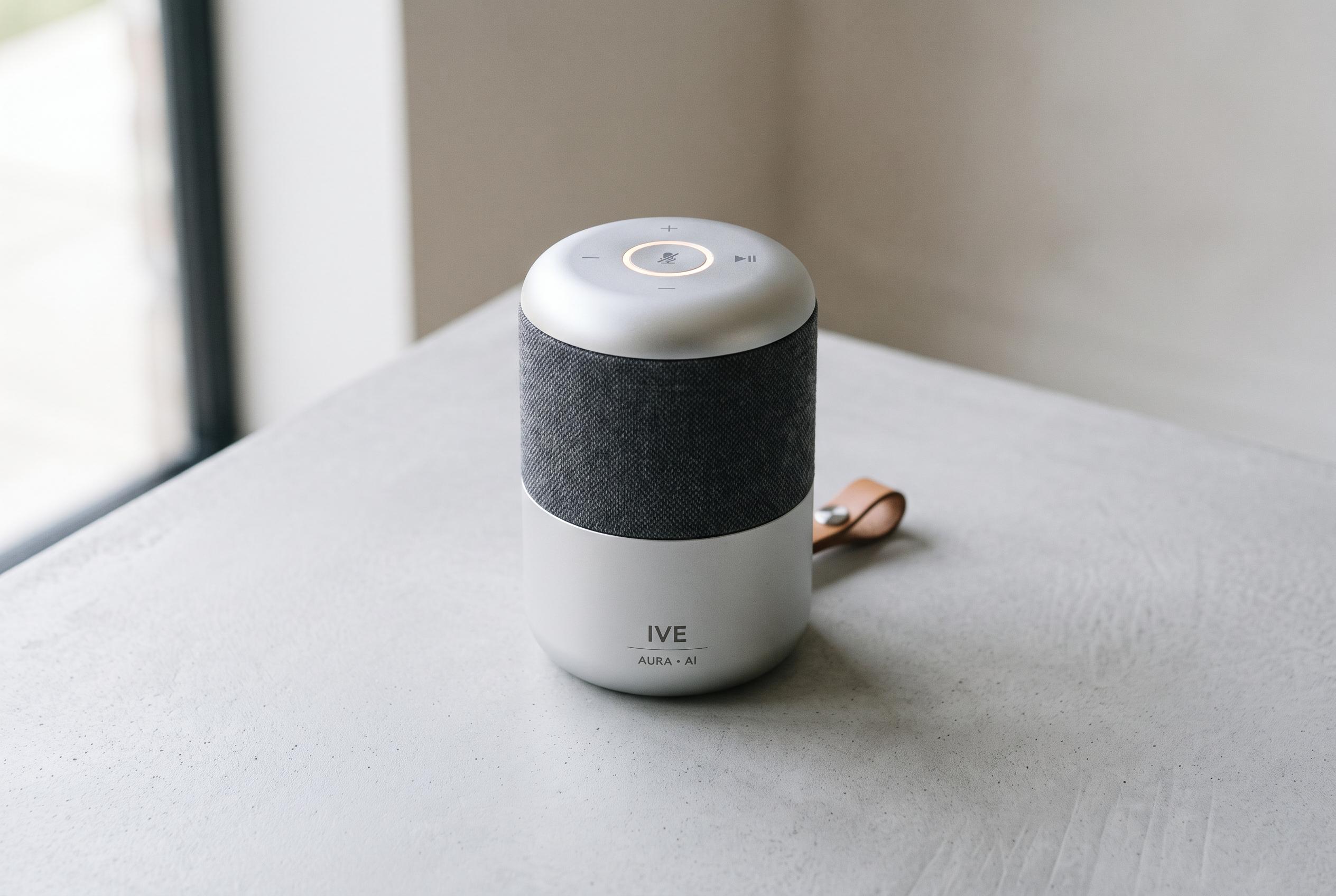

OpenAI is developing a compact, screen-free smart speaker designed by Jony Ive, blending portability and advanced AI capabilities, potentially disrupting traditional home device markets ahead of its 2027 launch.
OpenAI is preparing a small, screen-free smart speaker that could become its first mass-market hardware product, according to Bloomberg. The device is said to be roughly the size of a hockey puck, with a rounded, doughnut-like shape that can be carried in one hand. It is expected to cost about $300 to $400 and to use moving parts and light signals to indicate when it is listening or responding.
The product is being designed by Jony Ive, the former Apple design chief, after OpenAI bought his io startup and brought several former Apple designers into its hardware operation. Bloomberg said the speaker would rely on speaker grilles, microphones, a camera and sensors to support voice conversations with ChatGPT and to build a better picture of its surroundings over time. The device is also reported to be battery-powered and finished in metal, a detail that is notable given Apple’s separate lawsuit alleging OpenAI used trade-secret information tied to a metal-finishing process.
OpenAI has said it is building something “entirely new and different from anything at Apple”, while people familiar with the project have suggested the device is unlike anything Apple currently sells. That distinction matters because Apple is developing its own home hub with a display and square design, as well as a tabletop robot that is not expected before 2027 at the earliest. In contrast, OpenAI’s speaker is aimed at the home but also at portability, positioning it somewhere between a traditional smart speaker and a more context-aware personal assistant.
The project has been under discussion for more than a year. MacRumors previously reported that OpenAI’s first hardware device was intended to act as a conversational companion, handling tasks such as answering questions, controlling smart-home accessories and playing media. OpenAI and Ive have described the broader ambition as a new kind of computer built around artificial intelligence, one that becomes more useful as it learns about the user. OpenAI still hopes to unveil the hardware later this year, ahead of a launch planned for 2027.
Disclaimer: This content is intended for informational purposes only. Readers are advised to exercise their own judgement, conduct due diligence, or consult a qualified expert before acting on any information provided.