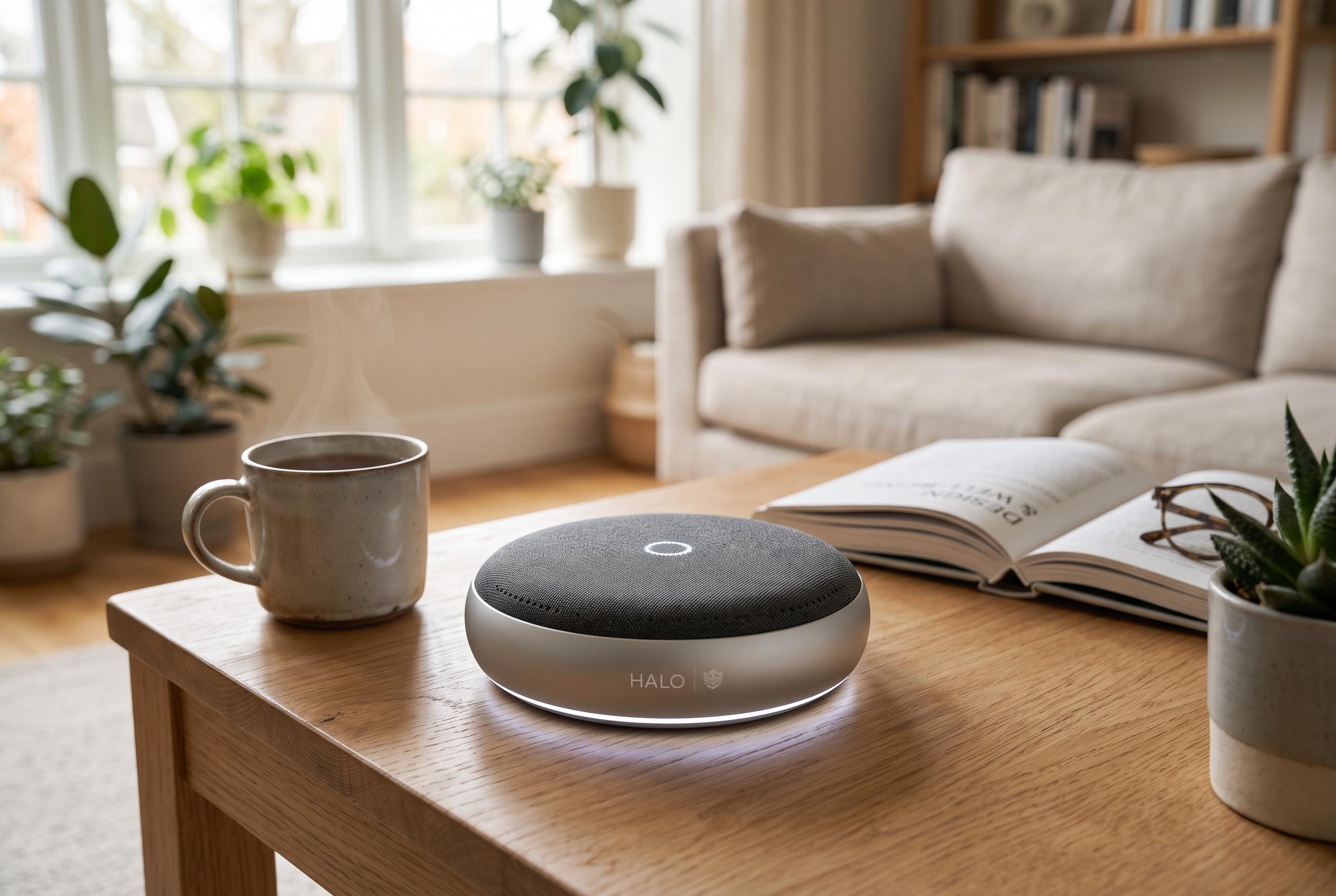

OpenAI, in collaboration with Jony Ive’s LoveFrom studio, is developing a novel, screenless AI device designed to blend into the home environment, signalling a shift towards more ambient and proactive AI companions. The device features a rounded, puck-like design and aims to integrate voice, motion, and contextual awareness, marking OpenAI’s most significant move into consumer hardware to date.
OpenAI is developing a small, screenless AI device designed with Jony Ive’s LoveFrom studio, according to reporting by Bloomberg and other outlets. The product is being shaped as a palm-sized object that could sit in the home like a smart speaker, but with a more ambient interface built around voice, motion and contextual awareness rather than a display.
The device is said to have a rounded, “donut”-like form and to be roughly the size of a hockey puck. Bloomberg reported that internal discussions have placed a possible price between $300 and $400, a level that would put it above many current smart speakers but below a typical iPhone. The project remains under development, so the final design, features and launch timing could still change.
What distinguishes the device is not only its lack of a screen but also its attempt to make AI feel more present. According to reporting from MacRumors, TechCrunch and Bloomberg, the hardware is expected to include speakers, microphones, a camera, environmental sensors, lighting and moving mechanical elements. Those components are intended to signal when the device is listening, processing or responding, while the camera and sensors would give it basic awareness of the room around it.
The concept also reflects OpenAI’s wider push to make ChatGPT more useful outside phones and computers. The device is reported to learn from users over time and become more personalised and proactive, handling tasks, answering questions and interacting in a more conversational way. That aligns with OpenAI’s broader ambition to build an AI companion that operates continuously in the home, rather than as a tool opened only when needed.
The hardware effort has a significant design pedigree. Bloomberg reported that the work is being led by LoveFrom, the studio founded by Ive after his years at Apple, where he helped shape products including the iPhone, iPad, iPod and Apple Watch. OpenAI’s hardware push gained momentum after it agreed to acquire Ive’s device startup in a deal valued at about $6.5bn, giving the company a dedicated hardware team as it expands beyond software.
Legal disputes are now part of the backdrop. MacRumors reported in February that court filings tied to a trademark case suggested OpenAI did not expect to ship the device before February 2027, later than earlier expectations. Bloomberg also reported that OpenAI has carried out an internal review and believes the product does not use Apple trade secrets, although that is OpenAI’s position in an unresolved dispute and not a judicial finding. The outcome could still affect the timetable. Taken together, the project appears to mark OpenAI’s most serious move yet into consumer hardware, with the first device likely to serve as a test case for a wider family of AI products.
Disclaimer: This content is intended for informational purposes only. Readers are advised to exercise their own judgement, conduct due diligence, or consult a qualified expert before acting on any information provided.