
OpenAI is developing an advanced smart speaker with AI capabilities designed to serve as a central home assistant, but privacy and trust issues threaten to delay its launch beyond 2026.
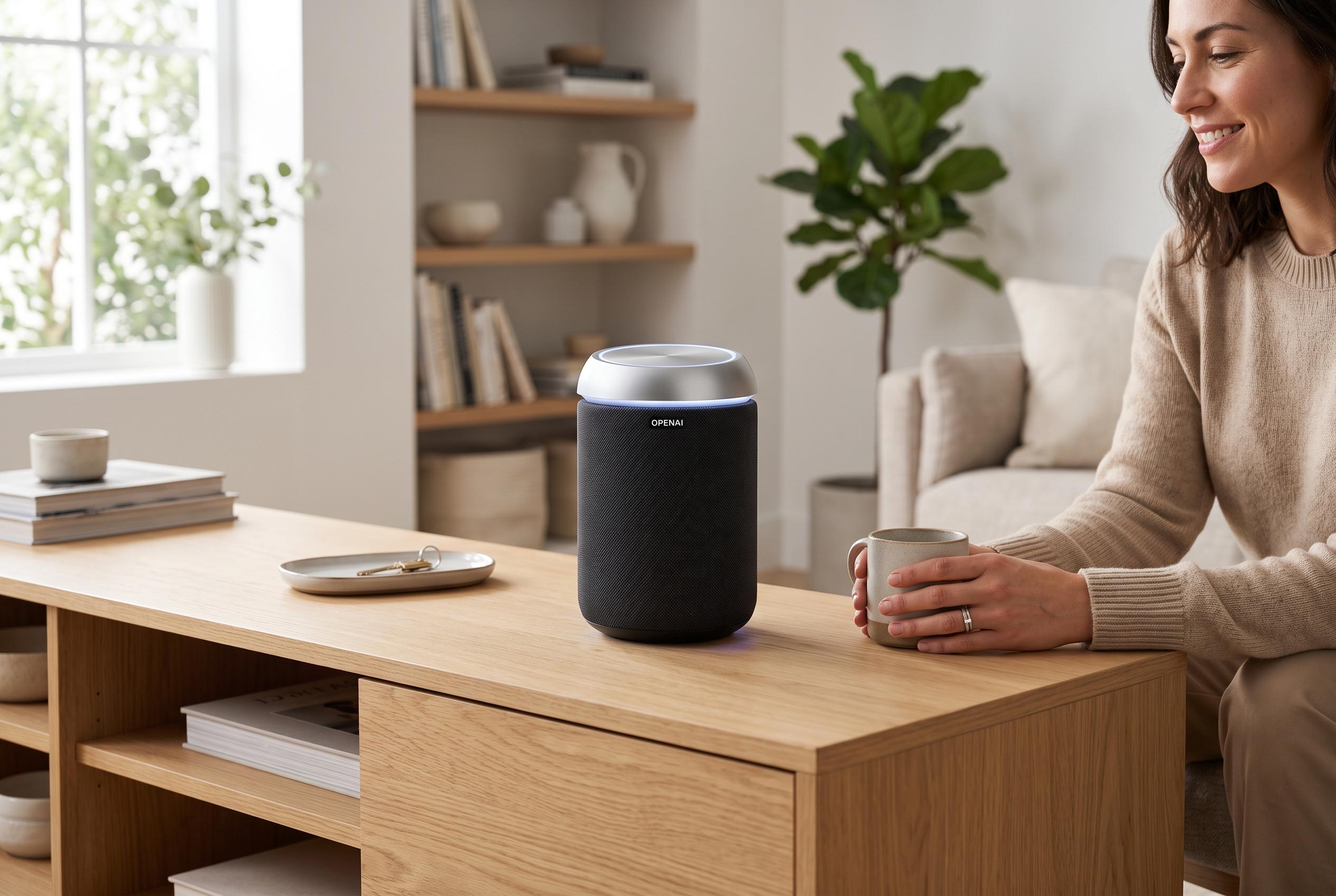
OpenAI is preparing to enter consumer hardware with a new smart speaker that Bloomberg says is designed to sit at the centre of a home as an always-available AI assistant. The device, which would cost about $300, is expected to include microphones, cameras and environmental sensors, giving it a far broader view of daily life than a conventional speaker. That ambition makes the product more than a gadget: it is a test of whether users will trust Sam Altman’s company with intimate household data.
According to Bloomberg and later reporting from MacRumors, the device is being developed with Jony Ive’s design studio and is intended to ship in 2027 after earlier expectations slipped beyond 2026. The hardware is described as a display-free speaker built around ChatGPT, with a camera for contextual awareness, voice interaction and the ability to help with tasks around the home. Reports have also said OpenAI wants the device to recognise faces, support purchases and behave more like a conversational companion than a traditional smart speaker.
The project arrives with legal and operational complications. MacRumors reported that the launch was pushed back in part because of trademark disputes, including a case brought by audio startup iyO, and that OpenAI has abandoned the “io” name for the hardware line. Windows Central has also reported that the delay reflects unresolved questions over privacy, computing power and personality design, with Altman warning that consumers should not expect the device any time soon.
The wider challenge is trust. OpenAI is already under scrutiny over governance and its relationship with Big Tech rivals, while the notion of a device that listens, sees and learns from the home raises obvious privacy questions. Smart speakers have long drawn criticism for persistent listening and data collection; OpenAI’s version could deepen those concerns if it stores behavioural patterns, visual cues and other household signals to improve personalisation. Altman has argued that current phones and laptops are poorly suited to AI, but convincing consumers to bring a more intrusive device into the home will require more than design flair.
Disclaimer: This content is intended for informational purposes only. Readers are advised to exercise their own judgement, conduct due diligence, or consult a qualified expert before acting on any information provided.