
Proper positioning and targeted detection zones are key to enhancing the effectiveness of video doorbells for capturing porch deliveries, with recent advancements introducing AI and radar verification for improved accuracy.
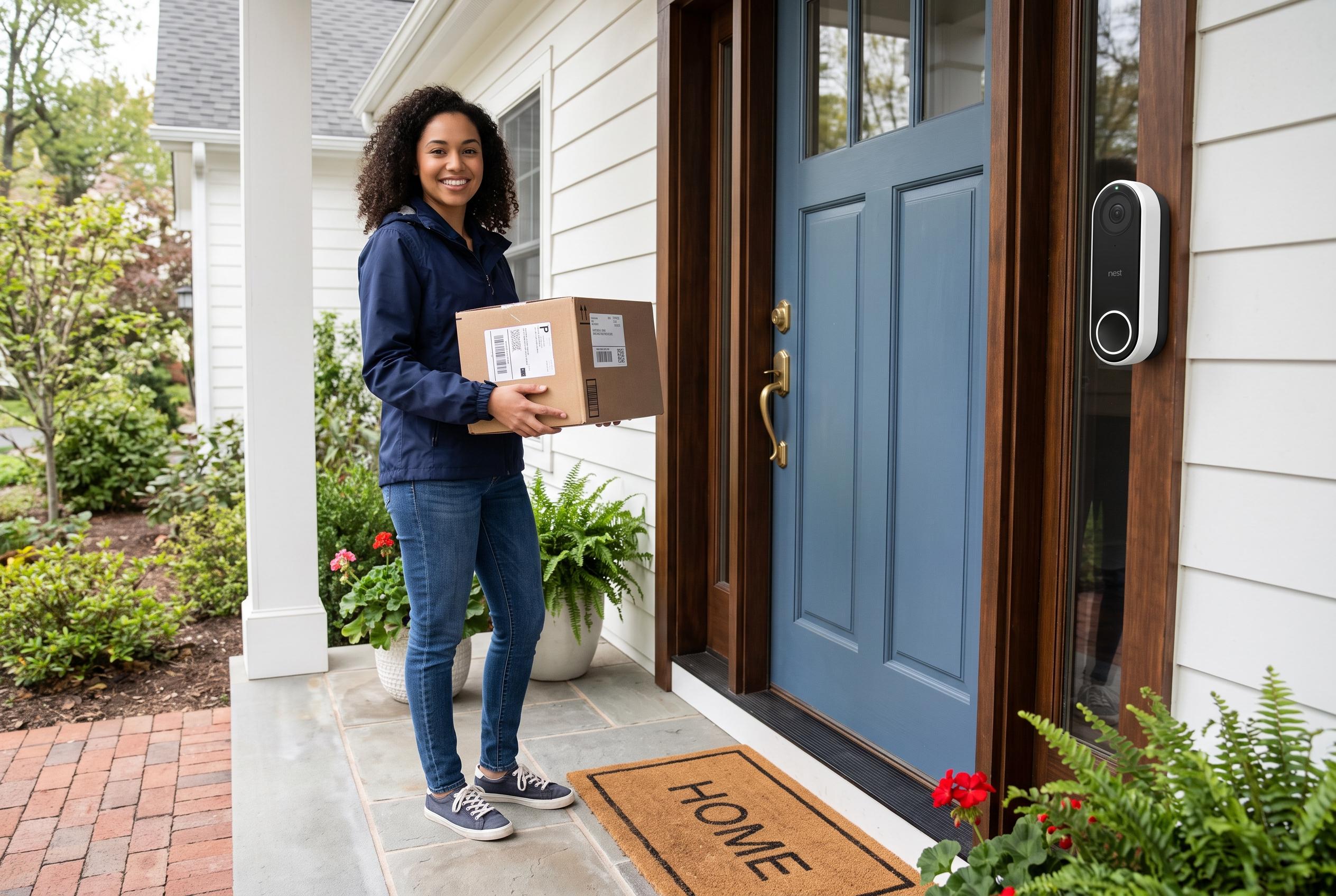
Video doorbell package detection works best when it is treated as a narrow task rather than a broad surveillance exercise. The aim is not to monitor the whole front garden, but to capture the small patch of porch where parcels are actually left. If the camera is mounted too high, too flat or aimed too widely, it can still trigger an alert while missing the moment a delivery driver sets the box down. In practical terms, the clearest footage usually comes from prioritising the mat, step or landing space directly outside the door.
That means the first job is to frame the delivery point properly. Before fixing the device in place, it is sensible to test the view with an empty box or mailer and check the saved recording, not just the live feed. The saved clip is what matters later, and it may differ slightly from the preview. A raised porch, deep shadow, thick trim or a door that opens close to the edge of the frame can all alter the best angle, which is why a wedge mount or a slightly lower position often helps.
The detection zone should then be kept tight and local. Tom’s Guide says accurate package alerts depend heavily on drawing the activity area around the step, mat and short approach path, rather than stretching it over the pavement or road. If the zone includes too much public space, pedestrians, headlights and passing traffic are more likely to trigger false notifications. Reviewing several ordinary clips before widening the area is usually the safest way to fine-tune the setting.
Household use matters just as much as placement. A useful alert system should send the right clip to the right people, rather than flooding every phone with motion events. Indoor chimes can help when smartphones are muted or left elsewhere in the house, while carrier tracking offers a separate layer of confirmation. USPS Informed Delivery, where available, can show mail and package updates alongside the camera footage, although the two should be treated as complementary rather than interchangeable. At night, the system should be tested again under realistic conditions, because glare, reflections and poor porch lighting can all reduce the quality of what the camera captures.
Vendors are now leaning into that use case. Vivint says its Doorbell Camera Pro uses AI to distinguish parcels from other objects and send real-time alerts, while Ecobee’s smart video doorbell adds radar verification, activity zoning and package detection as part of a subscription service. Eufy, meanwhile, has positioned its Video Doorbell E340 around package-focused coverage by combining a front-facing camera with a downward-facing lens, so thin envelopes and small mailers remain visible close to the threshold. Those features are helpful, but they do not replace sensible delivery habits, secure instructions or carrier tracking for high-value items.
Disclaimer: This content is intended for informational purposes only. Readers are advised to exercise their own judgement, conduct due diligence, or consult a qualified expert before acting on any information provided.