
Philips Hue enhances its smart lighting platform with new camera-based sync systems, 4K HDMI options, AI automation, and broader cross-brand compatibility, signalling a move towards higher-end market positioning amid ongoing industry competition.
Philips Hue used IFA 2026 to push its smart lighting platform further into entertainment, automation and cross-brand integration, while also signalling a firmer move towards premium pricing. According to Signify’s announcement, the latest additions include a camera-based Hue Play Screen Sync system, a new 4K HDMI Sync Box, fresh design-led lights and software tools that lean more heavily on the cloud.
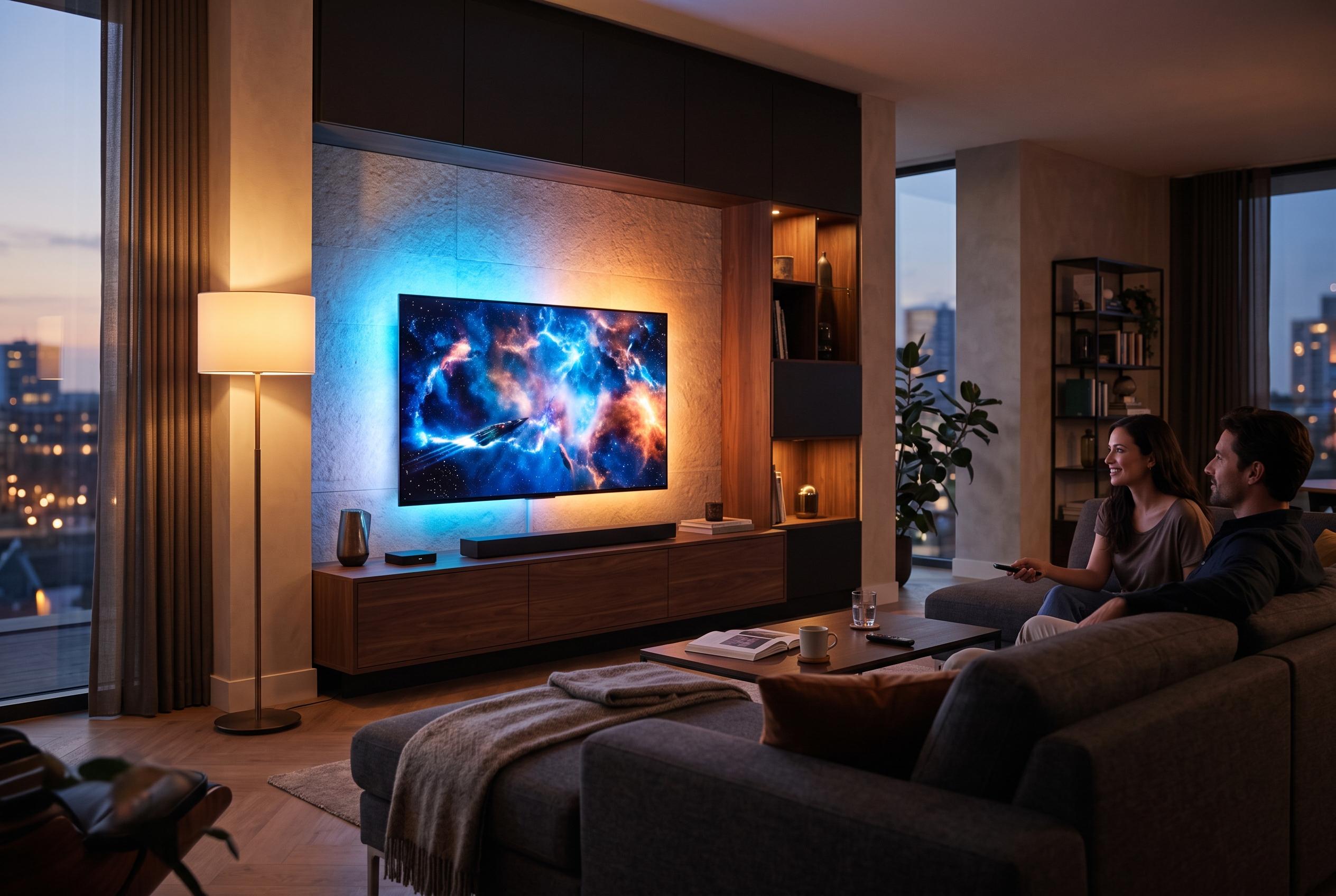
The most notable hardware launch is the Hue Play Screen Sync Camera, which is priced at $120 and is intended to mirror on-screen colour changes on connected lights in real time. Unlike earlier sync products that depended on an HDMI feed, the camera-based system can work with built-in TV apps and broadcast sources as well. Signify also introduced a 4K Play HDMI Sync Box at $150, which sits below the more expensive 8K model and is aimed at users who want synchronised lighting without paying flagship prices. The company says both options are designed to broaden access to its entertainment lighting range.
Signify also expanded Hue’s software layer. New custom AI behaviours will arrive in October, allowing users to describe automations in natural language rather than building them step by step. A cloud backup and restore service is due in November and will require the $140 Bridge Pro, reinforcing the company’s shift towards paid infrastructure for advanced features. The company has also added Sonos support through Hue switches and is extending compatibility with Nanoleaf Shapes, although that module is proprietary and does not support Matter.
The wider product range reflects the same balancing act between premium and more approachable options. New additions include the Gradient Lightstrip and Lightstrip Pro for larger TVs, the Liane rope light, updated Signe fixtures, outdoor Festavia variants, the OmniGlow outdoor lightstrip and lower-priced Struana and Semeru fittings. At the same time, Signify has reiterated concurrent support for Bluetooth, Zigbee and Thread, which should help Hue fit into different smart home ecosystems more cleanly.
Even so, the platform faces familiar tensions. Hue now requires a cloud account for app-based control, which may unsettle users who prefer local-only operation. Reports of bugs in Apple Home and Google Home integrations have also persisted through 2026, while Home Assistant remains a favoured alternative for advanced users who want direct Zigbee control. Pricing is another pressure point: the Bridge Pro’s US price increase and the gap between US and European pricing have sharpened criticism that Hue is moving further upmarket just as rivals such as IKEA and Govee continue to undercut it on cost.
Disclaimer: This content is intended for informational purposes only. Readers are advised to exercise their own judgement, conduct due diligence, or consult a qualified expert before acting on any information provided.